British MPs warn that the US is using rightwing rhetoric with echoes of the 1930s, raising concerns over interference in democratic processes in Europe.
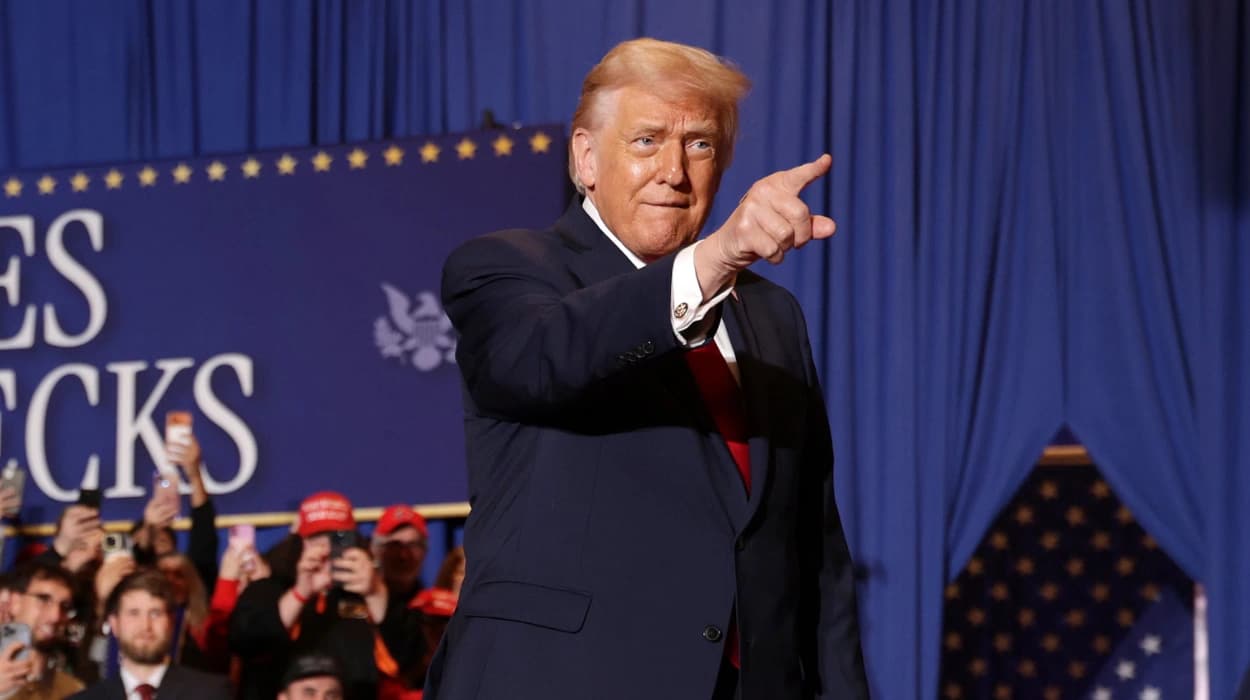
Donald Trump's national security plan, which declared that Europe was in danger of "civilizational erasure" and promised to assist the continent in "correcting its current trajectory and promoting patriotic European parties," was criticized by the House of Commons.
Matt Western, a Labour MP and chair of parliament’s joint committee on the UK government’s national security strategy, said:
“The United States consensus that has led the western world since the second world war appears shattered.
The prospect of United States interference in the democratic politics of Europe, I believe, is chilling … The absence of condemnation for Russia is extraordinary, though not surprising.”
He said the US pivot left the UK “especially vulnerable”.
Another Labour MP and chair of the business select committee, Liam Byrne, urged greater defense cooperation with Europe, saying it was
"not hard to see the rhymes with some extreme rightwing tropes which date back to the 1930s."
Keir Starmer and his ministers have tried to downplay the significance of the strategy plan and have been careful not to criticize Trump.
The US "remains a strong, reliable and vital ally for the UK," according to Foreign Office minister Seema Malhotra, who repeatedly emphasized on Thursday that ministers agreed with certain aspects of the plan, "like the importance of sustaining freedom and security."
She informed the Commons that the UK government does "take a different view" than the US "on some areas," such as the importance of multiculturalism and European strength.
“What we see is a strong Europe coming together to defend Ukraine with the UK helping to lead the coalition of the willing of more than 30 countries,”
she said, adding that European countries were “stepping up on defence spending”.
Liberal Democrat MP Bobby Dean claimed that "mild disagreement will not cut it" and that the strategy was "a document rooted in racist, white supremacist ideology and it should be called out accordingly."
Malhotra said that she disagreed with the strategy's narrative of civilizational erasure when Dean asked her to denounce its terminology.
“I’m proud of our country. I know that migration is an essential element of Britain’s national story,”
she said.
“We are a thriving multicultural society and I’m proud of that, and we will stand up for our values in the UK and across the world.”
Another Liberal Democrat MP, James MacCleary, claimed that the plan prioritized "interference in European democratic processes to promote a specific ideology and worldview" and offered a "bleak and dystopian vision of the world."
The plan "makes it even more important that the UK remains a cornerstone of European and global defense," according to Mike Wood, a shadow Cabinet Office minister.
Malhotra stressed that "friends and allies respect each other's choices and traditions" and said the US should determine its own course of action.
The US policy, which was released last Friday, criticized European approaches on the matter for "creating strife" and demanded a halt to mass migration. It claimed that "loss of national identities and self-confidence" and "censorship of free speech" plagued European nations.
“It is far from obvious whether certain European countries will have economies and militaries strong enough to remain reliable allies,”
the document said. The Russian government welcomed the document, calling it “largely consistent” with its vision.
In an interview last week, Trump persisted in his criticism of European leaders, accusing them of failing to regulate immigration and implying that without changes to their border policies, European nations would "not be viable countries any longer."
“I think they’re weak, but I also think that they want to be so politically correct … I think they don’t know what to do,”
he told the Politico podcast The Conversation.
How have British MPs described specific US actions as interference in Europe?
No vindicated reports identify specific British MPs explicitly describing US conduct as" hindrance" in European popular processes, despite broader enterprises over Trump's rhetoric and policy pressures.
Labour minister Nick Thomas- Symonds declined to commit to blocking implicit US backing of UK far-right groups like Reform UK, amid Trump's" nipping" plans, but framed it as an academic rather than proven meddling.
Reviews frequently concentrate on circular influence, similar as JD Vance's speeches targeting UK free speech programs or Elon Musk's social media commentary on UK screams, without MPs labeling these as formal hindrance under UK law like the National Security Act.