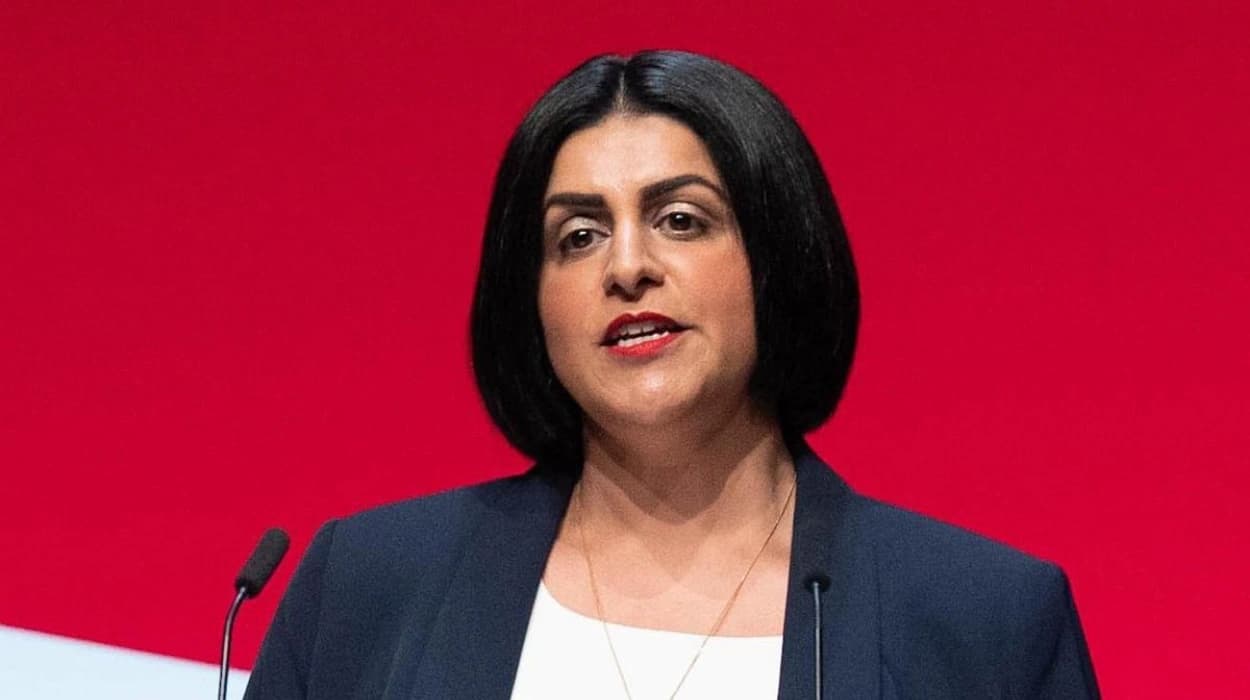
A Labour peer who escaped the Nazis as a child refugee accuses Home Secretary Shabana Mahmood of “weaponising children” in measures aimed at deterring asylum seekers.
Lord Alf Dubs called the government's proposals "shabby" less than a day after Labour MPs called them "performative cruelty" and "immoral."
The home secretary stated that Britain might deport families, including those with children, if they reject financial incentives to leave under broad proposals revealed on Monday. Additionally, according to the Home Office, children are being transported to the UK on small boats so that their families can "exploit" the system by establishing roots and preventing removal.
Lord Dubs has fought for the protection of unaccompanied youngsters caught up in the migrant issue. He was one of the Jewish children who were saved from the Nazis in the 1930s and came to Britain for a new life.
He went on:
"I think there is a proper case for children, there's a proper case for family reunion - when there are children who are on their own and who've got family in this country, then I think the right thing to do is to have family reunion and bringing children over here.
But to use children as a weapon, as the home secretary is doing, I think is a shabby thing - I'm lost for words, frankly, because my concern was that if we remove people who come here, what happens if they've had children in the meantime?
What are we supposed to do with children who are born here, who've been to school here, who are part of our community, our society? We can't just say, 'oh well, out you go because your parents don't claim to be here'."
In response to Ms. Mahmood's statement that it was an "uncomfortable truth" that the UK's substantial asylum offer in comparison to other European nations was luring individuals to UK shores, he also criticized the government's "hardline approach."
Ms. Mahmood announced a significant revamp of the system, which includes extending the time needed for established status from five years to twenty years and reducing the initial stay period for asylum seekers in the UK from five years to thirty months.
Caps on the number of individuals entering the UK via "safe routes" are among the other modifications. Asylum seekers with assets will be required to contribute to their expenses, and those in the system will not be guaranteed accommodation or monthly allowances under the ideas.
Mr. Reed stated that
"you are always going to have a range of views"
in response to claims made by some members of his party that the government was repeating the rhetoric of Nigel Farage's Reform UK, but that
"the vast majority of members of the Labour Party and Labour MPs know that we need to deal with this problem because of the harm that it's doing to our country and to social cohesion".
While praising the ideas as "extremely encouraging," reform leader Mr. Farage questioned if they would be put into action.
He told a London press conference:
“Rhetorically fine, following very many of the things that we’ve been saying for some years. But in practice, I doubt much of it will actually happen.”
Responding to Ms Mahmood’s invitation for him to “sod off” over quips she might defect to Reform, Mr Farage said:
“She seems to quite like using bad language, doesn’t she?”
He evaded a question on whether he supported Labour’s proposal to deport children of failed asylum seekers, saying only:
“The absolute priority with deporting those who come (illegally) are young undocumented males of fighting age, many of whom will do great harm in this country.”
What specific policies prompted the peer's accusation?
Raising displacements of children and families, removing statutory duties to give automatic casing and daily fiscal support to shelter campaigners able to work. confining the right to appeal shelter opinions, especially limiting family reunion and mortal rights claims that presently cover vulnerable children.
Introducing a temporary exile status with leave to remain for just 2.5 times, followed by repeated renewals and a 20- time delay before endless agreement, creating instability for vulnerable deportees.
These measures have been blamed as harsh, corrective, and disproportionate to the requirements of child deportees, who are seen by critics as being used politically to justify a broader immigration crackdown. The peer's review is concentrated on these programs that effectively prioritize border control and deterrence over child welfare and exile protection.