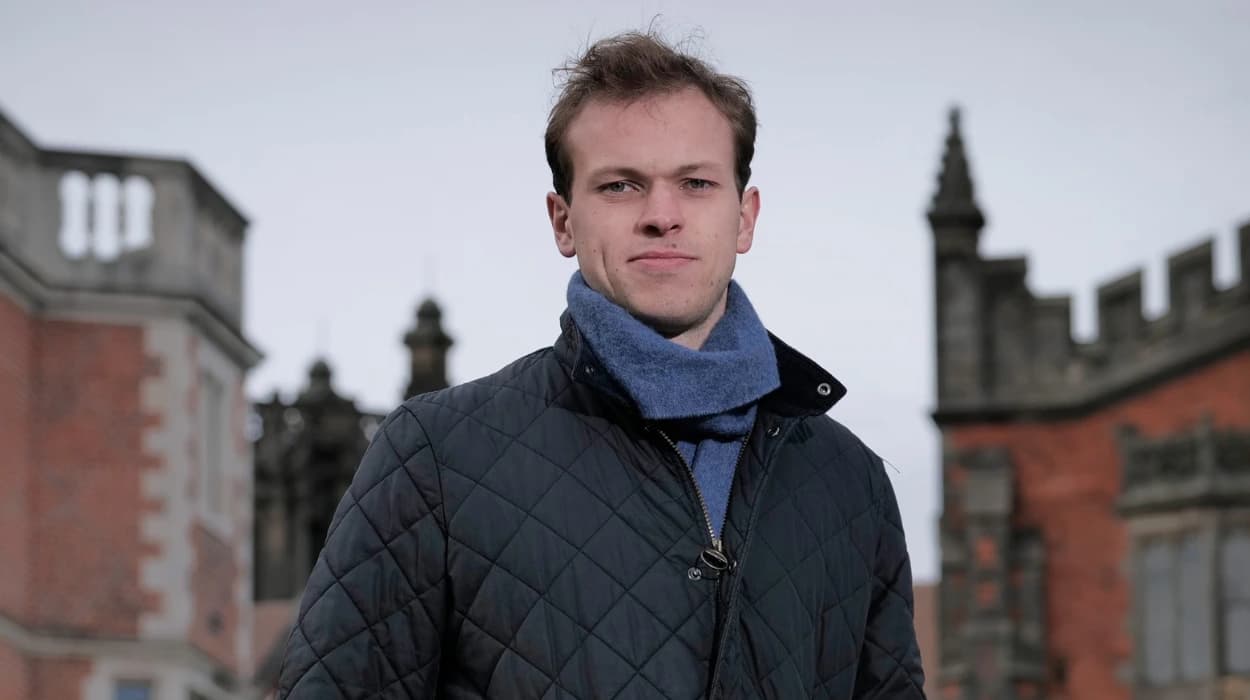
Last year’s freshers’ fair for Newcastle University’s Conservative society was a dismal flop, attracting just six new students, raising questions about political engagement.
However, after the Tory students united with the Reform UK students, despite a reprimand from the Conservative party headquarters, scores of students showed up with fresh vigor for this year's event.
“Interest increased tenfold. I think we Conservatives were just becoming a bit irrelevant,”
said Henry Bateson, a one-time Conservative student who switched to Reform UK and is now president of Newcastle’s merged Conservative and Reform UK society.
According to recent polls, almost half of Tory members would be in favor of the party merging with Reform to establish a unified entity. On universities, conservatives like Bateson claim their society would struggle on their own, despite the fact that conservative leaders have rejected the idea.
“If we chose one party then we would lose half of our numbers and probably struggle to survive,”
said Bateson.
“I’ve now jumped on the Reform bandwagon. Kemi Badenoch is not cutting through at all.”
The party leadership, dissatisfied with the strategy, called in protest of the merger decision. However, the merged Newcastle group still draws prominent Conservative figures and MPs to its "pint and policy" discussions.
Bateson said the merger was necessary to maintain a place for students on the political right, and warned:
“I think it’s only a matter of time before Conservative societies go extinct at British universities – and we may hasten the Tories’ demise unapologetically, because they have let us down.”
Other parties have taken notice of reform's presence on campus. Over 750 students at Lancaster signed a petition requesting that the student union decline affiliation. Political parties in Edinburgh, such as Labour and the Greens, have decided to bar Reform from participating in interparty activities like debates.
However, student members perceive their campus societies as a pipeline for future candidates, as Reform is ready to swiftly elevate its youngest members, including an 18-year-old as the leader of Warwickshire council.
Eccles, who has accepted a position within the national party, said:
“We need to have successful societies at university campuses all across the country because it allows us to prepare future council candidates, future local councillors, maybe even future MPs,”
and adding:
“I genuinely think it’s a movement that could go on for 100 years.”
What factors contributed to the low turnout for the society last year?
Political advancement among young generations, who tend to prioritize other forms of social and political exertion over traditional party politics, lowering interest in joining political societies. A broader generational trend of declining communal and electoral participation linked to shifting values in fat societies, making youngish scholars less motivated to join prejudiced groups.
Possible societal comprehensions and polarization around conservative politics that might discourage wider pupil participation. Competition from other clubs and societies at freshers' expositions, which frequently offer more charming or inclusive conditioning.
Implicit challenges in the society's outreach and visibility during the event, limiting mindfulness and appeal. The phenomenon of voter and political participation fatigue, where multiple political events and scores reduce engagement.