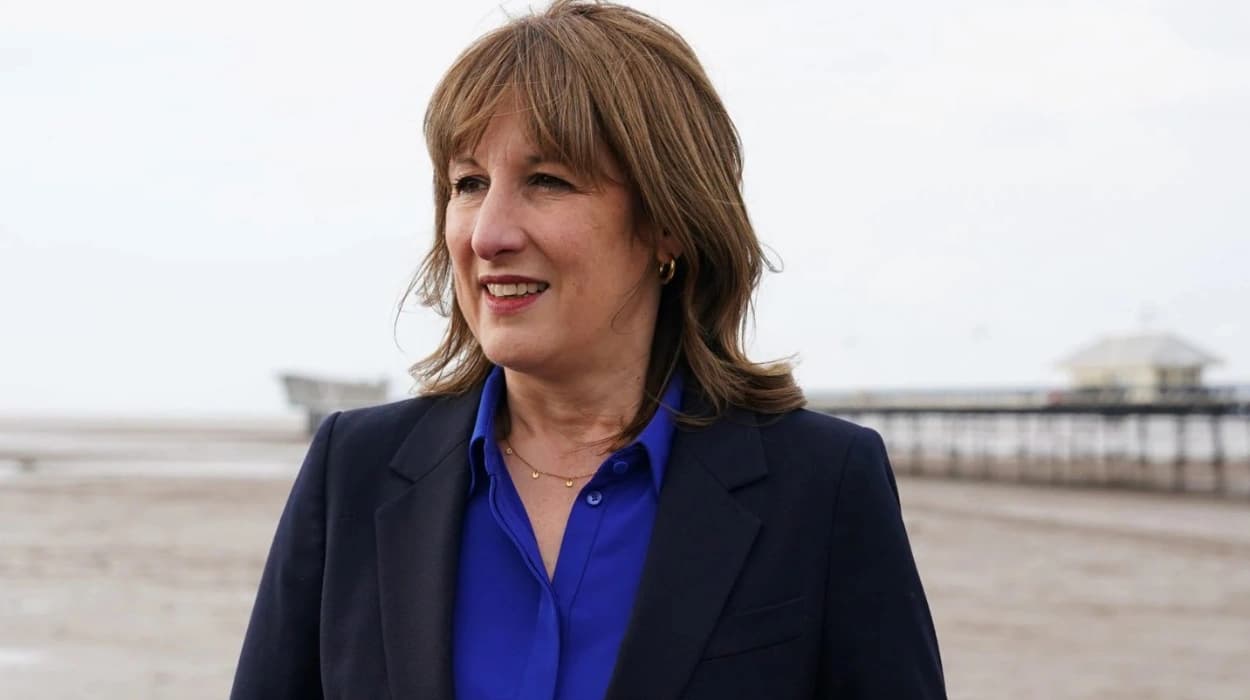
Rachel Reeves faces a revolt from ministers pressing her to scrap fiscal rules, demanding more public spending as tensions rise within Labour’s ranks.
Ministers are "pleading" with the Chancellor for more money so that their ministries can fulfill their pledges in the manifesto, claiming that "austerity-lite" politics will turn people against Nigel Farage.
In order to appease Britain's creditors, Mrs. Reeves must close a £30 billion budget deficit in November when she announces tax increases and spending reductions.
However, ministers are incensed with her "iron-clad" borrowing requirements, which demand that she be on track to eradicate the deficit by 2030.
On the eve of Labour’s party conference in Liverpool, one minister said: “Everybody is begging for the fiscal rules to be slackened so we have a bit more we can do in our portfolios, and lots of ministers have made that case to the Treasury.”
They added:
“After the reshuffle, there is a hope that they will see we can’t just do austerity-lite. They are going to have to start listening to us because there are just too many gaps that need to be filled.”
According to two further government officials, the Treasury and Whitehall departments had discussed Labour's fiscal policies in recent weeks, and one confirmed that ministers had "made the case" for easing borrowing restrictions.
Ministers are reportedly "frustrated and impatient" with Ms. Reeves's conservative borrowing strategy, causing "widespread" alarm. Additionally, they are concerned about how the public will respond to any tax increases in the budget.
According to a recent Ipsos poll conducted for The Telegraph, since the survey's inception in 1977, Sir Keir Starmer has been the most unpopular prime minister. The least well-liked Chancellor is Ms. Reeves.
This week's summit, where Ms. Reeves is expected to assure delegates and MPs that she will not abandon fiscal discipline and risk alarming foreign investors, is threatened to be overshadowed by concerns over the budget.
Many Labour members, however, may find that message offensive as they advocate for a number of costly tax-and-spend measures, such as lifting the two-child benefit cap.
The two-child benefit cap is unpopular with many of his MPs and the public, and Labour sources conjectured on Saturday that Sir Keir would use the conference to declare his plan to lift it.
The "mega rich have remained untouched" by tax increases since Labour took power last year, a Unite official told The Telegraph, adding that "a wealth tax would in a small way begin to reset that balance."
Ministers will be urged to try to reduce gas prices or face the closure of industrial units in a second motion from the GMB union, another significant financial backer.
Greater Manchester Mayor Andy Burnham was the most recent Labour leader to advocate for wealth taxes on pricey real estate and to argue that Ms. Reeves should be less "in hock" to the bond markets this week.
Ms Reeves is understood to be opposed to his suggested wealth taxes, and rejected calls for looser borrowing rules earlier this month, when she told the Cabinet that ministers must “keep spending under control” and “live within our means”.
She said:
“I do not think there is anything progressive about spending £100bn a year on paying off debts accrued by previous governments when I would rather be spending more of that money on cutting hospital waiting lists, tackling illegal migration and keeping our country safe.”
Treasury officials, frustrated that the quango's "scoring" of public spending has grown too powerful over budget decisions, are instead thinking of reducing the Office for Budget Responsibility's (OBR) duties from two fiscal projections annually to one.
However, it is believed that the OBR resisted any move to weaken its duties and contended that eliminating the spring projection would make government spending less transparent.
Additionally, it calculated that the removal of the two-child benefit cap would cost taxpayers £2.5 billion annually, on top of the £5 billion Sir Keir's June benefits reform crackdown would cost them annually.
Removing the cap would be a helpful "management tool to keep people happy," according to a Labour MP, and it would go "long way to building bridges" with the parliamentary party.
After being suspended in July of last year for voting against the government's decision to remove the cap, senior Labour MP John McDonnell was permitted to rejoin the party on Friday.
His return has been regarded by MPs as proof that Sir Keir will reverse the strategy in his Tuesday conference speech.
In order to lessen the influence of billionaires in British culture, Mr. McDonnell, who is attending the conference, will hold a fringe event on Sunday advocating for Ms. Reeves to enact wealth taxes.
“Until and unless we have a government that will address this grotesque level of inequality in our society, we will never have the resources we need to end poverty and invest in the quality public services we need,”
he said.
What political risks Reeves faces within Labour if she caves?
Disregarding fiscal commitments could harm Labour's reputation for economic responsibility, which was so critical to winning the trust of voters in 2024.
It could reinforce voter and financial market perceptions of broken promises and fiscal mismanagement.
Polling suggests Labour and the government already have a faith deficit in taxation and spending, and dropping fiscal discourse and discipline could further aggravate that. Also, discarding that discipline could deepen factional divides between ministers inclined to spend more and those politicians intent on spending limited newly allocated funding responsibly.
It may also alienate moderates and business-friendly individuals who worry political leaders cannot spend and support fiscal precision without harming their economic growth mission.