A UK minister said the government made “every effort” in the China spy trial, rejecting Tory accusations the case was dropped without evidence.
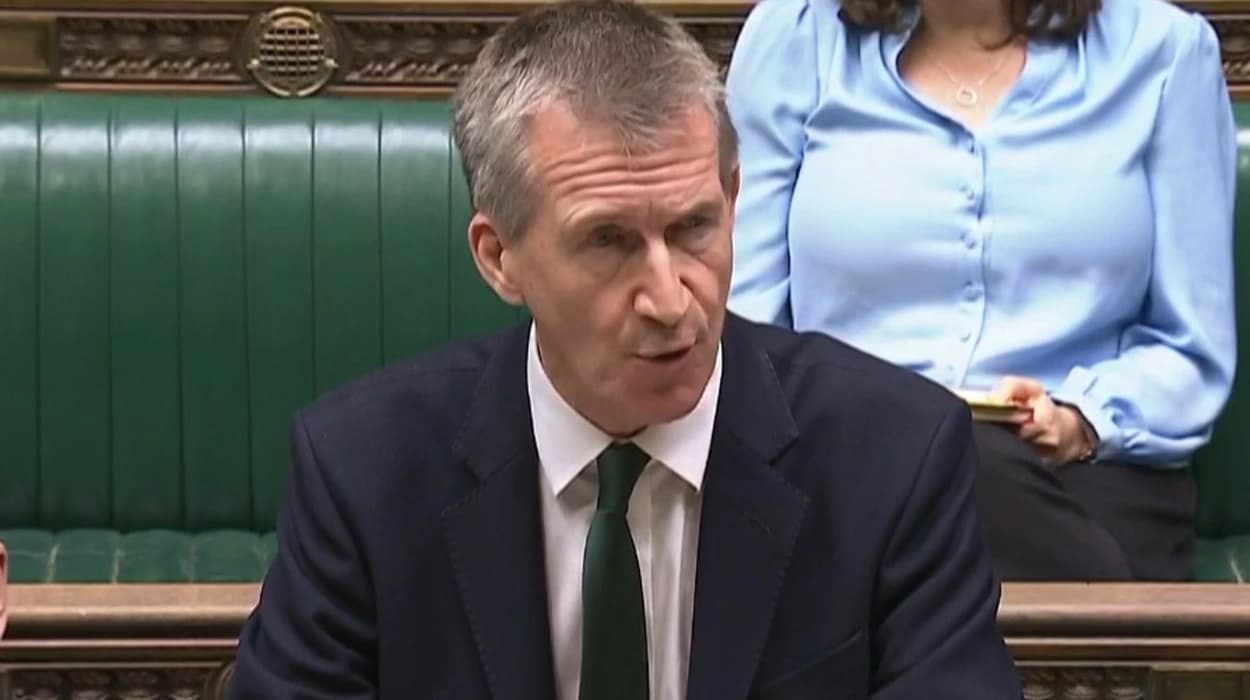
Following allegations that Keir Starmer's national security adviser contributed to the case's collapse, security minister Dan Jarvis presented a strong defense of Jonathan Powell in the Commons.
The accusations against two men, including a former parliamentary researcher, were dropped, and his intervention prolongs the unprecedented blame game between prosecutors and ministers.
Last month, the Crown Prosecution Service (CPS) declared it could no longer satisfy the evidentiary standard required to proceed, and charges were dismissed against Christopher Cash and Christopher Berry, who had consistently insisted on their innocence.
According to Jarvis, three witness statements were submitted by Matthew Collins, the deputy national security adviser, to support the trial in December 2023, February 2025, and July 2025 because the accusations against Cash and Berry were brought in April 2024.
“All of the evidence provided by the deputy NSA was based on the law at the time of the offence and the policy position of the Conservatives at the time of the offence,”
he told MPs.
“Every effort was made to provide evidence in support of this case within these constraints.”
He claimed that despite the changing nature of the state dangers we confront, the CPS was "hamstrung by antiquated legislation that had not been updated by the Conservative government," which is why it chose to drop the charges.
“Suggestions that the government withheld evidence, withdrew witnesses, or limited the ability of witnesses to draw on specific bits of evidence are all untrue,”
Jarvis told the Commons.
The government's answer, according to Conservative leader Kemi Badenoch, "will not wash" and "looks like a deliberate decision to collapse the case and curry favor with the regime in China."
She said that during their time in power, the Conservatives frequently referred to China as a threat.
The Conservatives wrote to Parkinson on Monday night to ask whether the prosecution could be restarted if ministers now provided the evidence requested.
Lindsay Hoyle, the Commons speaker, told MPs he was “angry and disappointed” that parliament was not receiving robust enough protection against foreign espionage.
New MI5 guidance has been published warning politicians in the UK that they are “a target of long-term strategic foreign interference and espionage from elements of the Russian, Chinese and Iranian states”.
The intelligence service warned that foreign agents operated by posing as diplomats, journalists, academics and lobbyists and employed techniques including blackmail and financial donations.
What parliamentary steps can force disclosure of withheld evidence?
Committees such as the Intelligence and Security Committee or the Justice Committee can summon documents and witnesses. They have powers to demand disclosure from government departments or agencies, though sensitive information may be exempt under national security laws.
MPs can formally question ministers and compel explanations during Commons debates or question sessions, seeking commitments to disclose relevant evidence or documents.
A select committee can be established or tasked to investigate specific issues, with the power to require information and hold public or private hearings.