The UK withdraws a $1.15bn loan from a Mozambique gas project accused of the climate crisis and fueling violence, raising scrutiny over public funding.
The business secretary, Peter Kyle, announced the UK would withdraw its export credit to the Mozambique liquified natural gas project, five years after it provoked strong resistance from campaigners over its impact on human rights, security and the environment.
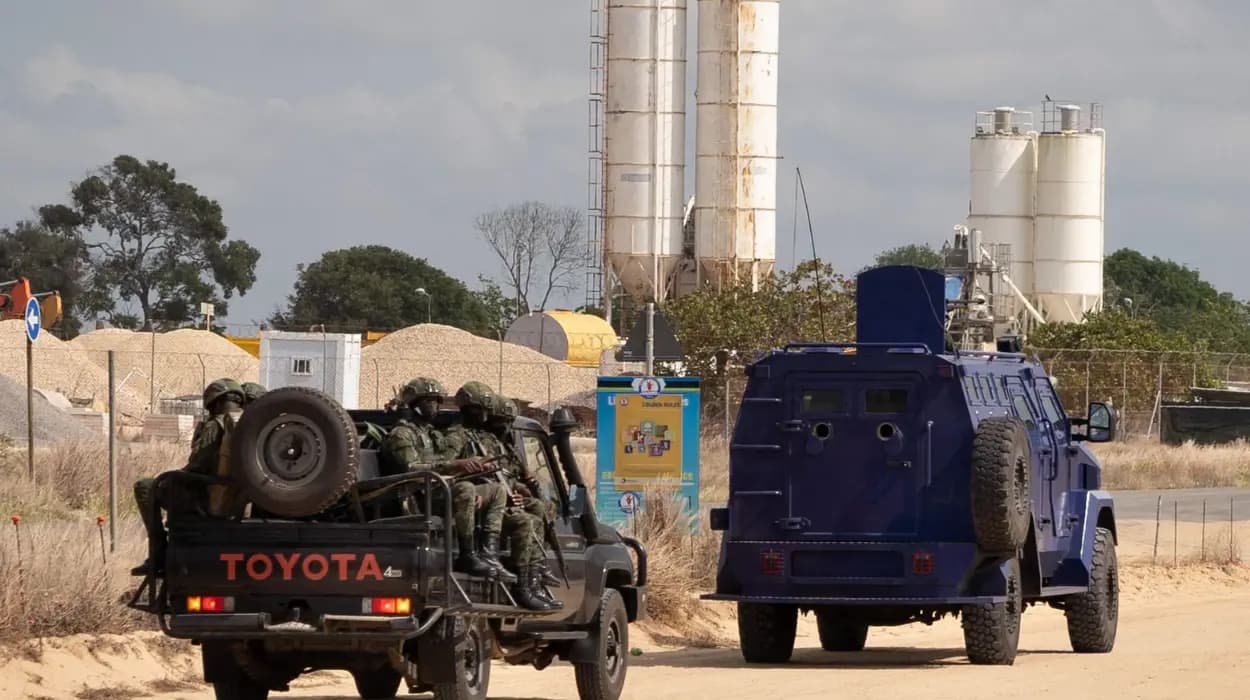
As the project's developer, the French oil giant TotalEnergies, is ready to resume the controversial project, which has been put on hold since an Islamist insurgency invaded a nearby town in 2021 and killed over 800 people, the UK has decided to stop supporting the project.
On Monday, Kyle announced that the UK’s export credit authority, UK Export Finance (Ukef), had taken the decision to cease its participation in the project after a “comprehensive assessment of the project and the interests of UK taxpayers”.
“Whilst these decisions are never easy, the government believes that UK financing of this project will not advance the interests of our country,”
Kyle said.
Just over a year after MPs on the environmental audit committee and the Labour party demanded that the Conservative government stop funding polluting projects abroad, claiming that it
"undermines the UK's climate commitments,"
the Mozambique support package was first agreed upon in 2020.
According to Kyle, authorities assessed the project's dangers and found that they have escalated after 2020.
Ukef had originally claimed that the project would support more than 2,000 UK employment, including small enterprises across the country, and may prove “transformational for Mozambique’s economic and social development”. Gas from the project may also have helped warm British households through a supply arrangement negotiated with Centrica, the owner of British Gas, in 2019.
However, environmental organizations, such as Friends of the Earth, have stated that the east African country should be urged to make greater investments in renewable energy in order to create a sustainable green economy. They have also called for a court review of the government's support for the gas project.
Antoine Bouhey, an activist at Reclaim Finance, which promotes sustainable finance, said the government’s decision demonstrated that ministers had acknowledged that the initiative was “riddled with problems and cannot be supported”.
Asad Rehman, the chief executive of Friends of the Earth, said:
“This Mozambique gas project is a huge carbon timebomb, linked to serious human rights abuses. It should never have been given UK taxpayer-funded support in the first place. We now urge other countries to follow suit and end their backing for this destructive project.
The UK should instead support countries like Mozambique, which are on the frontline of the climate crisis, by helping them adapt to its impacts and invest in their abundant clean energy resources to bring affordable energy to the 60% of the country locked into energy poverty,”
Rehman said.
TotalEnergies has been approached for comment.
How will this affect TotalEnergies' timeline and financing for the project?
The UK’s pullout of $1.15 billion in loan guarantees complicates the backing and timeline of TotalEnergies' Mozambique LNG design significantly. The design, firstly anticipated to be functional by 2029, has formerly faced major detainments due to security enterprises in Cabo Delgado and rising costs. TotalEnergies verified the need to talk contracts with increased budget overruns now estimated at $4.5 billion.
The pullout forces TotalEnergies to seek indispensable backing sources or acclimate design compass and pace, adding pressure despite some backing from transnational lenders like the U.S. Export- Import Bank.
Continued insecurity and fiscal query are likely to push the full ramp- up of product well beyond the original 2029 target, conceivably into the early 2030s. The backing gap also increases pitfalls for the institute mates and may affect Mozambique’s profitable protrusions linked to LNG earnings.