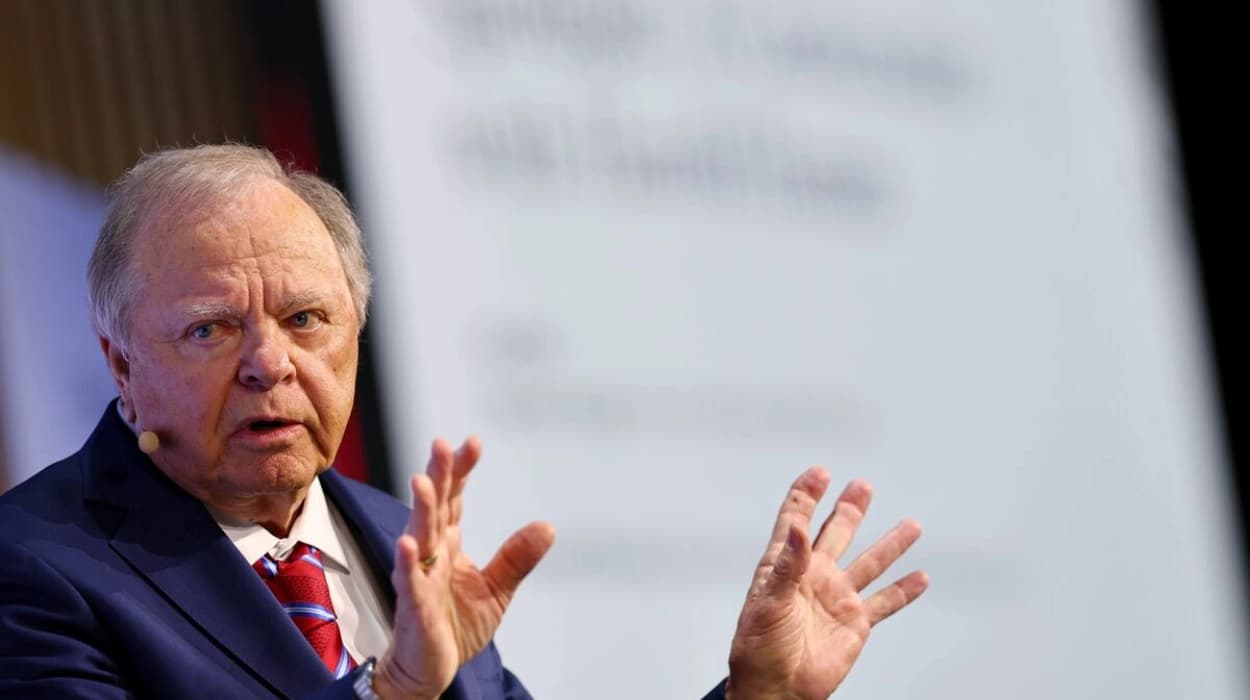
Berlin (The Palestine Telegraph Newspaper) 24 January 2026 – A US energy firm owned by a prominent donor to President Donald Trump has acquired one of Germany's largest oil storage companies. The deal, valued at several hundred million euros, strengthens American presence in Europe's strategic energy infrastructure. The transaction follows regulatory approvals amid Europe's efforts to diversify energy supplies post-Russian gas disruptions.
The acquisition involves a Texas-based company controlled by a Trump supporter who contributed significantly to the president's 2024 reelection campaign. Germany's Federal Cartel Office cleared the purchase after reviewing competition impacts on the storage market. The US firm gains control of 5 million cubic metres of tank capacity across northern German terminals near major refineries.
Details of the Acquisition Agreement
The US buyer, specialising in midstream energy assets, purchased the German firm for an undisclosed sum reported between €450 million and €600 million. The target operates 12 storage facilities handling crude oil, refined products, and biofuels. Annual throughput exceeds 20 million tonnes serving clients including Shell, BP, and TotalEnergies.
Transaction completion occurred Friday following antitrust clearance granted Thursday. The US company's CEO hailed the move as entry into Europe's resilient energy hub. German management remains intact with guarantees for 800 employees across Hamburg, Wilhelmshaven, and Brunsbüttel sites.
Integration plans include digital upgrades to tank gauging systems and pipeline connectivity enhancements. The acquired assets link directly to Northwest Europe’s refining corridor and LNG import terminals.
Strategic Value of German Oil Storage Infrastructure

Credit: REUTERS/Annegret Hilse/ File Photo
Germany maintains over 40 million cubic metres of commercial oil storage, ranking among Europe's largest. The facilities provide blending, heating, and transshipment services critical for arbitrage trades. Proximity to Druzhba pipeline remnants and new US LNG flows positions them for diversified supply chains.
The US firm now controls 12% of Germany's independent storage capacity. This bolsters hedging capabilities during volatile Brent-WTI spreads. Terminals feature heated tanks for heavy crudes from the US Gulf Coast and Middle East.
Europe's storage utilisation hit 85% in Q4 2025 amid Red Sea disruptions. The acquisition secures priority slots for American cargoes, reducing demurrage risks.
Background on the US Buyer and Trump Connection
The Texas firm emerged from private equity focusing on overlooked midstream assets. Its owner donated $10 million to Trump's 2024 campaign and inaugural committee. Public records confirm contributions through affiliated PACs supporting Republican energy policies.
The company operates 15 US terminals with 10 million barrels capacity, primarily serving Permian producers. European expansion follows similar purchases in Rotterdam and Antwerp totalling €300 million since 2024.
Trump administration officials attended the signing ceremony in Berlin. Energy Secretary praised the deal as exemplifying US-European commercial ties under reelected leadership.
German Regulatory Process and Conditions

Credit: impakter.com
Bundeskartellamt conducted a phase II review examining market foreclosure risks. Conditions mandate third-party access to 30% of tanks for two years. Competitors including Vopak and Oiltanking welcomed assurances against capacity hoarding.
The deal aligns with EU goals for energy security post-Ukraine invasion. Germany's storage law requires 90 days of net import coverage, met through commercial and strategic reserves.
Foreign investment screening under the Foreign Trade Act approved the transaction within 60 days. No national security objections raised despite energy infrastructure status.
Impact on European Oil Trading Dynamics
Independent storage enables contango plays storing cheap WTI for future Brent sales. The US owner brings algorithmic trading expertise optimising inventory turns. Blending capabilities produce low-sulphur marine fuels meeting IMO 2020 standards.
Terminals connect to the Teesside pipeline system feeding UK refineries. New rail offloading supports US shale volumes bypassing congested ports.
Market analysts note reduced seasonality premiums as storage buffers supply shocks. The facilities handled 2 million tonnes of US cargoes in 2025.
Operational Capabilities of Acquired Facilities
Wilhelmshaven site features 2 million cubic metre crude tanks with direct JadeWeserPort berths. Hamburg handles 1.5 million tonnes monthly of middle distillates. Brunsbüttel specialises in biofuels blending with 500,000 cubic metre capacity.
Safety records show zero major incidents since 2015 commissioning. Digital twins monitor corrosion and overfill risks per Seveso III directives.
Pipeline interconnections span 200 kilometres linking to Cologne and Ingolstadt refineries. Rail access serves inland barge terminals on the Rhine.
Broader US Investment Trends in European Energy
American firms invested €15 billion in European midstream since 2023. Cheniere and Venture Global secured Dutch FSRU charters alongside storage deals. Blackstone acquired UK gas storage for £2 billion.
Trump's reelection accelerated deal flow with deregulation promises. Deregistration of LNG export permits boosted confidence.
German states of Lower Saxony and Schleswig-Holstein endorsed job protections in the sale.
Previous Ownership and Sale Rationale
The German seller, family-controlled since 1950, cited succession challenges prompting divestiture. Peak assets generated €120 million annual EBITDA pre-tax.
Strategic review began mid-2025 engaging Rothschild bankers. Bidding included Vitol, Gunvor, and Mercuria before US firm prevailed.
Proceeds fund family philanthropy in renewable scholarships and coastal conservation.
Employment and Community Commitments
Buyer pledged no redundancies through 2028 with €50 million training investment. Apprenticeships expand to 150 slots partnering Hamburg University of Technology.
Local sourcing mandates 70% German contractors for upgrades. Community funds allocate €5 million annually to port development.
Trade unions ver.di negotiated wage increases matching inflation plus profit-sharing.
Technical Upgrades Planned Post-Acquisition

Credit: petrosync.com
API 653 tank inspections commence Q2 2026 recertifying all bottoms. SCADA systems upgrade to Siemens PCS 7 integrating AI leak detection.
Floating roof conversions enhance vapour recovery cutting emissions 40%. Hydrogen blending pilots test 5% compatibility by 2027.
Digital marketplace launches booking platform mirroring US models.
Regulatory Compliance Across Jurisdictions
US parent complies with Jones Act equivalents via EU tonnage tax. German Mineralölwirtschaftsordnung licensing transfers seamlessly.
REACH registrations cover all stored products. Cybersecurity aligns with NIS2 directive audited by TÜV.
Annual sustainability reports benchmark Scope 1-3 emissions against peers.
Market Reactions from Industry Stakeholders
Shell extended five-year throughput contracts adding €200 million revenue. BP negotiates jet fuel blending expansion.
Vopak CEO noted competitive storage pricing pressures benefiting traders. Gunvor anticipates tighter contango spreads.
Oil Markets Group forecasts 5% utilisation drop easing winter premiums.
Geopolitical Context of Energy Deals
Transaction occurs amid US-EU LNG pact renewal supplying 50 bcm annually. Germany's Russian oil ban since 2022 elevated US import reliance to 15%.
Nord Stream sabotage investigations concluded without perpetrators identified. Storage diversification mitigates pipeline vulnerabilities.
OPEC+ production hikes coordinate with European reserve builds.
Future Expansion Opportunities Identified
Buyer eyes Baltic expansions targeting Gdansk FSRU flows. Dutch joint ventures explore Zeeland terminal synergies.
€1 billion five-year capex targets 2 million cubic metre additions. IPO preparations slated for 2029 NYSE listing.