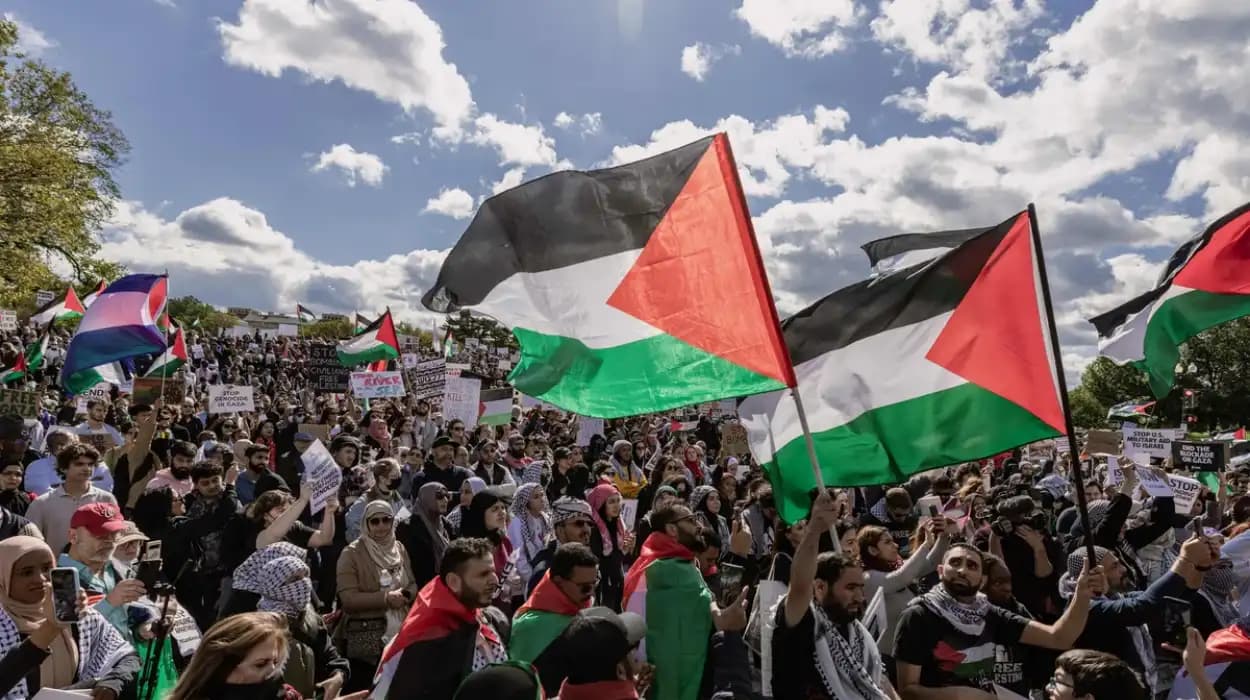
The countries that support Israel extend across different continents and political alliances, reflecting a complex geopolitical landscape shaped by historical ties, strategic partnerships, and evolving diplomacy. As of 2025, Israel is recognized by approximately 160 of the 192 United Nations member states, embodying wide acceptance as a sovereign state.
The Backbone of Support: Western Democracies and Key Allies
Israel’s strongest and most consistent support comes from established Western democracies, including the United States, the United Kingdom, Canada, Australia, and many countries in Western Europe such as Germany, France, and the Netherlands.
- United States: The US is Israel’s principal ally, providing economic aid, military assistance, and a robust diplomatic shield. In 2023 and 2025, Congress approved extensive emergency aid packages supporting Israel’s security needs. The special relationship is rooted in shared democratic values, historical ties, and strategic interests in the Middle East.
- European Union and Member States: Collectively, the EU supports Israel’s right to exist and its security while simultaneously advocating for a two-state solution in the Israeli-Palestinian conflict. Countries like Germany and France maintain strong diplomatic relations and economic ties with Israel, balancing advocacy for peace with security cooperation.
- Canada
and Australia: Both countries have consistently backed Israel politically
and occasionally provided military and intelligence cooperation,
reinforcing their alignment on democratic values and regional security.
Emerging Support from Asia and Central Europe
In recent years, Israel has deepened ties with countries in Asia and Central Europe, diversifying its network of support.
- India: India and Israel have built a strong strategic relationship centered on defense technology, cybersecurity, agriculture, and intelligence sharing. India often abstains or votes silently on contentious UN resolutions against Israel while fostering growing bilateral cooperation.
- Hungary and Czech Republic: These Central European nations are vocal supporters of Israel within the EU, often shielding Israel from critical resolutions and championing its sovereignty. Their support is influenced by historical solidarity and a pushback against broader EU foreign policy trends perceived as unfriendly to Israel.
- Other
Asian Countries: Various Asian states, including Japan and South
Korea, maintain diplomatic relations and engage economically with Israel,
contributing to its international support base.
Arab States and Middle Eastern Normalization
The Abraham Accords, signed in 2020, marked a historic shift in Middle Eastern diplomacy, leading to normalization agreements between Israel and several Arab states previously hostile or non-recognizing:
- United Arab Emirates: Established full diplomatic ties in 2020, with expanding economic, technological, and security cooperation.
- Bahrain, Morocco, and Sudan: Joined normalization agreements to foster cooperation with Israel, breaking longstanding taboos in the Arab world.
This regional expansion of diplomatic ties signals a pragmatic approach among Arab states, motivated by geopolitical shifts such as shared concerns about Iran, economic opportunity, and US influence. While some Arab League members continue to reject formal recognition of Israel, these accords highlight changing dynamics.
Africa and Latin America: Varied Positions and Emerging Partners
- Africa: Countries like Uganda, Ethiopia, and Rwanda maintain diplomatic relations and cooperate with Israel on development and security projects. Meanwhile, some African states have historically severed ties due to political pressures but are gradually restoring relations.
- Latin
America: Israel’s support here is mixed but includes countries like
Brazil, Colombia, and Argentina maintaining ties. Some nations have
expressed support for Israel’s right to self-defense while also advocating
Palestinian rights.
Countries Not Recognizing or Severing Ties with Israel
While most UN members recognize Israel, around 28 countries do not, including several Arab and Muslim-majority nations such as Iran, Syria, Lebanon, Yemen, and others in the Organisation of Islamic Cooperation (OIC). These countries often maintain no formal diplomatic relations due to the Israeli-Palestinian conflict and regional politics.
Some countries have withdrawn recognition at various times, influenced by solidarity with Palestine or geopolitical pressures.
Historical Context of Recognition and Diplomatic Relations
Israel’s original declaration of independence in 1948 was recognized by a majority of countries soon after, with the Soviet Union among the first to grant formal recognition. Arab opposition and the ensuing wars strongly shaped diplomatic ties and recognition patterns.
The oil embargo by Arab states in 1973 and Cold War alignments led many countries to sever relations in solidarity against Israel, especially those aligned with the Soviet bloc.
Since the 1990s, peace agreements and geopolitical changes have prompted the restoration of diplomatic ties with many countries, culminating in the recent Abraham Accords.
The countries that support Israel today represent a broad coalition spanning continents and political systems. From the unwavering backing of the United States and Western Europe to growing partnerships in Asia, Africa, and normalized Arab states, Israel’s international recognition and alliances are multifaceted and strategically significant. However, ongoing regional conflicts and political challenges ensure that diplomatic landscapes remain fluid. Understanding these global relationships is key to grasping the international dimension of Israeli policy and Middle Eastern geopolitics.