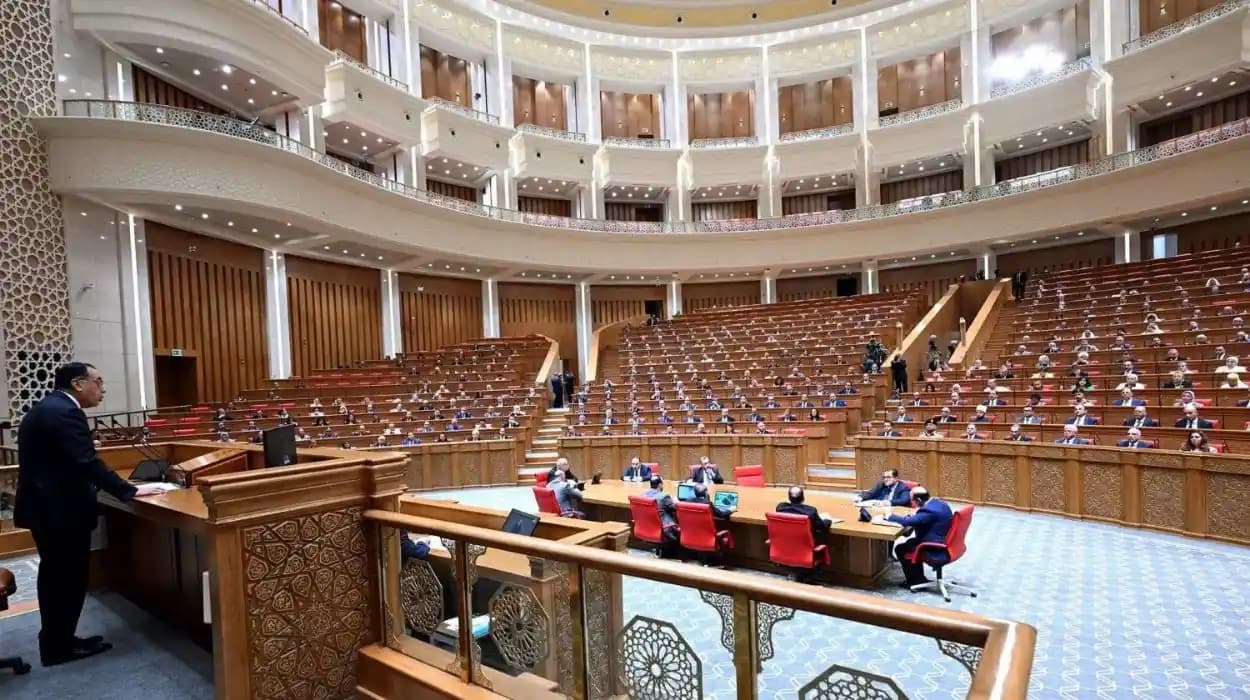
In its ongoing pursuit of socio-economic development and improved quality of life, the Egyptian government has launched and continuously expanded a series of ambitious initiatives aimed at enhancing public services and national development. These strategic efforts focus on sectors pivotal to Egypt’s sustainable growth, including health, education, infrastructure, housing, and environmental sustainability. By aligning its initiatives with long-term visions such as Egypt Vision 2030, the government is paving the way for inclusive development that bridges regional disparities and fosters equitable opportunities for all citizens.
Investing in Human Development through Health and Education
At the core of Egypt’s national development strategy lies a profound commitment to human capital enhancement. Public investment plans have allocated significant resources to bolster health and education systems, considered essential drivers of socio-economic advancement. Investments to improve healthcare infrastructure include expanding hospital networks, equipping medical centers with cutting-edge technology, and enhancing healthcare personnel capacity. These efforts facilitate universal health coverage and improved access to quality medical services across urban and rural areas.
Education also receives a strong focus, with large-scale investments aimed at expanding access to pre-university schooling, modernizing curricula, and increasing teacher recruitment and training. Efforts are made to reduce overcrowding in schools by adding classrooms and to empower students with digital learning tools. Special programs address literacy and educational quality in underserved regions such as Upper Egypt, targeting a reduction in educational inequalities.
Both health and education sectors benefit from a combination of public funding and increased private sector participation, fostering innovation and efficiency in service delivery. This blend supports the creation of resilient social infrastructure, essential for sustaining human development gains over time.
Infrastructure Development for Inclusive Economic Growth
Complementing social investments, significant government initiatives target infrastructure to facilitate economic inclusion and connectivity. Transportation projects are designed to enhance road safety, expand road networks, and develop major transport corridors linking different governorates. These projects not only stimulate trade and mobility but also localize growth by reducing regional isolation.
Water supply and sanitation infrastructure sees major public investment, reflecting the government’s commitment to universal access to clean water and improved hygiene. The “Haya Karima” initiative, for example, integrates water and sanitation improvements within broader rural development plans, contributing to healthier living environments and enhanced agricultural productivity.
Housing is another priority, with comprehensive schemes to build affordable social housing units for low- and middle-income groups. These programs emphasize sustainable construction methods and encourage private sector engagement to scale housing delivery. Efforts to upgrade real estate financing and land provision mechanisms further support access to adequate shelter.
Environmental Sustainability and Green Economy Transition
Recognizing environmental challenges and the importance of sustainable resource management, the Egyptian government is mainstreaming green development across its national plans. Over half of the total investment allocations in recent fiscal plans target projects aligned with green economy principles. These initiatives include financing renewable energy facilities, such as solar and wind power stations, and upgrading industrial zones to meet environmental protection standards.
The government also promotes solid waste management programs, hazardous medical waste disposal systems, and nature conservation projects, aiming to safeguard biodiversity and improve urban living conditions. The incorporation of climate change adaptation and mitigation measures within development policies addresses vulnerabilities and advances Egypt’s global commitments to environmental sustainability.
Efforts to green infrastructure extend to transportation systems with projects including electric high-speed trains and metro expansions to reduce urban air pollution and carbon emissions. Comprehensive urban and regional green initiatives aim to balance economic growth with ecological preservation, supporting sustainable livelihoods.
Empowering Local and Regional Development
To ensure balanced national progress, a strong emphasis is placed on empowering local governance and decentralizing development efforts. Programs focus on activating local development plans that address specific community needs and support small-scale infrastructure projects like internal roads, street lighting, markets, and parking facilities. These interventions improve daily life and economic opportunities at the local level.
Special attention is given to historically underserved areas such as Upper Egypt and both North and South Sinai regions. Investments target water irrigation systems, agricultural development clusters, road improvements, and social infrastructure to accelerate regional economic integration and reduce disparities.
The government also promotes inclusive development by supporting vulnerable social groups, ensuring access to essential public services and encouraging participation in local decision-making. This approach strengthens social cohesion and enables sustainable community-led development.
Digital Transformation and Innovation in Public Services
Modernizing public service delivery through digital transformation is a key pillar in Egypt’s current development plans. Automation and digitization initiatives target sectors like health, education, justice, taxation, and social services to enhance efficiency, transparency, and accessibility. Digital platforms provide streamlined interactions between citizens and government institutions, reducing bureaucratic delays and improving satisfaction with public services.
The establishment of comprehensive databases, such as for people with disabilities, supports data-driven policy-making and tailored service provision. Leveraging technology enables scalability of services and positions Egypt to adopt future-ready governance models aligned with global trends.
In parallel, the promotion of science, research, and innovation is integrated into development objectives to build a knowledge economy. Programs prioritize skills development aligned with future job markets, fostering entrepreneurship and private sector growth.
National Plans Aligning with Egypt Vision 2030
The foundation of these initiatives is Egypt Vision 2030, a national agenda designed to promote balanced sustainable development across economic, social, and environmental dimensions. The vision underscores a commitment to raising living standards, enhancing competitiveness, and preserving natural resources for future generations.
Strategic development plans for recent fiscal years have consistently incorporated the vision’s pillars by setting ambitious targets for economic growth, quality public services, infrastructure expansion, and green development. Efforts toward fiscal responsibility, debt control, and improved investment efficiency underpin the structural reforms supporting these plans.
Achieving these goals depends on coordinated action across government ministries, local authorities, the private sector, and civil society, supported by international partnerships and financing. Together, these elements create a resilient framework to navigate global challenges and drive long-term prosperity for Egypt.
Egypt’s government initiatives represent a holistic approach to national development that simultaneously enhances public services and fosters inclusive economic growth. Focused investments in health, education, infrastructure, housing, and environmental sustainability are transforming the country’s socio-economic landscape while prioritizing human development. Embracing digital innovation and empowering local communities ensures that progress is both widespread and sustainable.
Aligned with Egypt Vision 2030, these initiatives demonstrate a forward-thinking commitment to balanced growth, equity, and long-term resilience. Through continued dedication and strategic management, Egypt is well-positioned to achieve its development aspirations and improve the well-being of its people for generations to come.