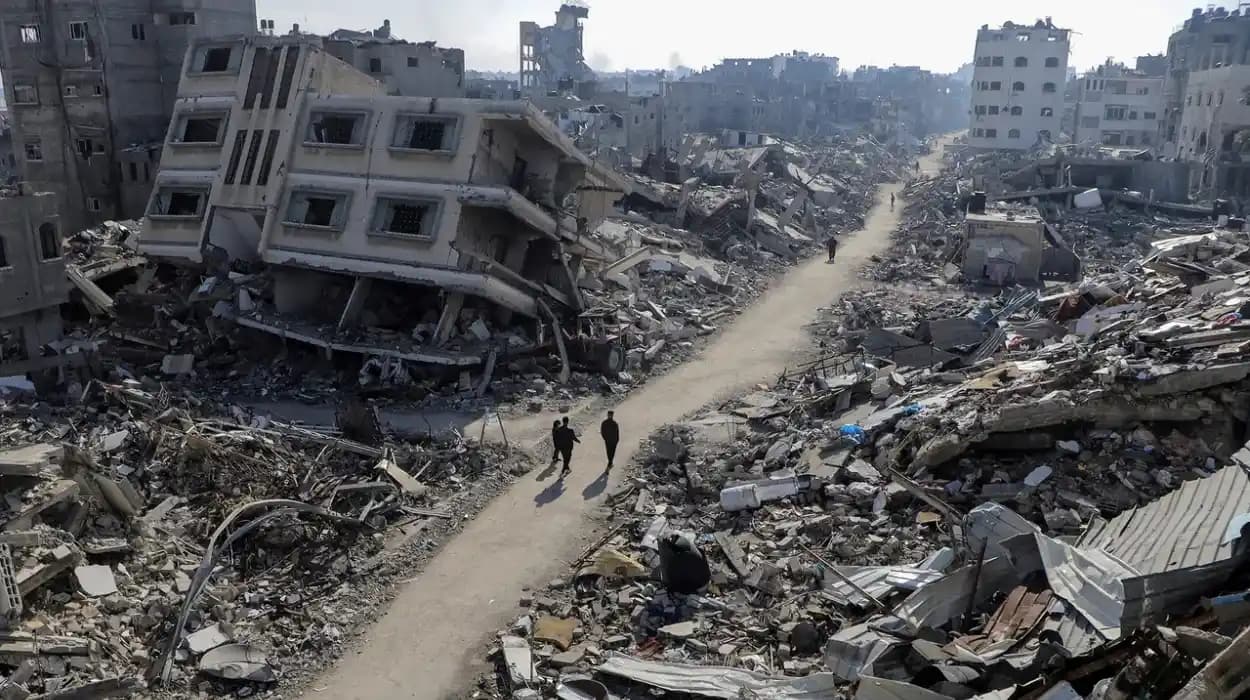
The Gaza conflict has resulted in staggering loss of life, with Palestinian health authorities reporting over 67,000 deaths since hostilities intensified, alongside tens of thousands injured and widespread indirect fatalities from disease and starvation.
These figures, drawn from Gaza's Ministry of Health and corroborated by UN agencies, underscore a humanitarian catastrophe affecting civilians disproportionately, including a significant portion of children and women. This article examines the documented casualties, methodological challenges, and broader impacts, providing clarity on the human cost amid ongoing debates over precision.
Official Casualty Figures from Gaza Authorities
Gaza's Ministry of Health maintains the primary tally, reporting at least 67,139 total deaths as of late 2025, encompassing direct violence from airstrikes, ground operations, and related causes like malnutrition. This includes over 19,000 children, representing nearly 30% of fatalities, with women comprising another substantial share. Injuries exceed 169,000, many life-altering per World Health Organization assessments, straining an already collapsed medical system.
Independent analyses, such as those from Costs of War at Brown University, align closely, estimating 67,075 killed and 169,430 wounded out of Gaza's pre-conflict population of 2.2 million—over 10% directly impacted. These counts exclude thousands presumed buried under rubble, potentially elevating totals significantly.
Israeli Casualties and Initial Triggers
Israel reports 1,139 deaths from the October 7, 2023, Hamas-led attacks, including 695 civilians, 71 foreigners, and 373 security personnel, plus five missing. Military losses stand at 454 soldiers killed in Gaza operations, with 2,840 injured. Hostage figures hover around 48 believed alive, out of 251 initially taken.
These losses prompted Israel's response, but the asymmetry in subsequent tolls highlights divergent conflict phases: initial incursion versus prolonged offensive.
Methodological Challenges in Counting Deaths
Casualty verification in active war zones faces inherent obstacles:
- Data Collection Barriers: Destroyed hospitals, communication blackouts, and restricted access impede real-time reporting. Gaza's ministry relies on hospital logs and media, but rubble-trapped bodies evade counts.
- Civilian vs. Combatant Distinction: Palestinian figures aggregate all deaths without differentiation, while Israel claims thousands of militants killed. UN experts deem the totals reliable, historically accurate within 1-5% margins from prior conflicts.
- Indirect Deaths: Starvation (459 reported, including 154 children post-ceasefire resumption) and disease amplify figures. Public health models suggest 40% undercounts from violence alone.
The United Nations considers Gaza Health Ministry data credible, used routinely despite political affiliations.
Demographic Breakdown of Gaza Fatalities
Children and women bear outsized burdens:
|
Group |
Estimated Deaths |
Percentage of Total |
Key Notes |
|
Children (<18) |
19,424–20,179 |
~30% |
Includes orphans: 2,596 double-parent losses, 53,724 single-parent. |
|
Women |
~16% of total |
High exposure in dense areas |
Disproportionate in shelter strikes. |
|
Journalists/Media |
248 |
N/A |
Among highest in modern conflicts. |
|
Aid Workers |
224+ (179 UNRWA) |
N/A |
Hinders relief efforts. |
|
Academics |
120 |
N/A |
Impacts reconstruction capacity. |
Over 70,500 Palestinians killed across Gaza and West Bank combined. The World Health Organization notes life-altering injuries exceed 40,000, compounding long-term societal strain.
Indirect and Long-Term Mortality Factors
Beyond direct violence, infrastructure collapse drives excess deaths. Destroyed water, sanitation, and healthcare systems foster epidemics, while food shortages exacerbate malnutrition. Costs of War analysis indicates conditions "render life so difficult as to cause long-term harm" for survivors.
UN data reveals millions displaced, with agriculture and energy devastation mirroring patterns where conflicts amplify famine risks for 10%+ of populations. Independent studies project 75,200 violent deaths alone in sampled periods, 40% above official tallies due to underreporting.
International Verification and Discrepancies
Global bodies scrutinize figures:
- UN and WHO: Endorse Gaza ministry counts as conservative, factoring rubble and migration-adjusted populations (~2.1 million remaining).
- Israeli Critiques: Dismiss totals as inflated, asserting Hamas embeds in civilian sites. Yet, B'Tselem and others note prior Gaza war alignments.
- Academic Models: Airwars and Lancet studies validate ~70,000+ direct deaths, urging inclusion of indirect tolls nearing double.
Discrepancies stem from access denial, not fabrication, per consensus.
Broader Humanitarian and Global Impacts
The toll devastates Gaza's fabric: 10%+ population casualties erode workforce, education, and health resilience. World Bank analyses of similar conflicts show GDP drops exceeding 20%, with child mortality spikes persisting generations. Over 62,000 total Palestinian deaths reported earlier, rising steadily.
Aid blockages compound crises, with UNRWA losses crippling delivery. The International Monetary Fund highlights reconstruction costs rivaling national GDPs in war-torn zones.
Implications for Conflict Resolution
High fatalities fuel calls for ceasefires, accountability, and aid corridors. UNESCO stresses preserving journalists and educators for truth and recovery. Pathways forward demand verified data for tribunals and reparations.
Casualty estimates from the Gaza war exceed 67,000 Palestinian deaths per Gaza authorities, with UN-backed reliability amid methodological hurdles like rubble burials and indirect losses. Israeli losses total around 1,600, underscoring asymmetry. These figures, encompassing ~30% children, illuminate a profound humanitarian crisis demanding transparent tracking and global response to prevent escalation and foster accountability.