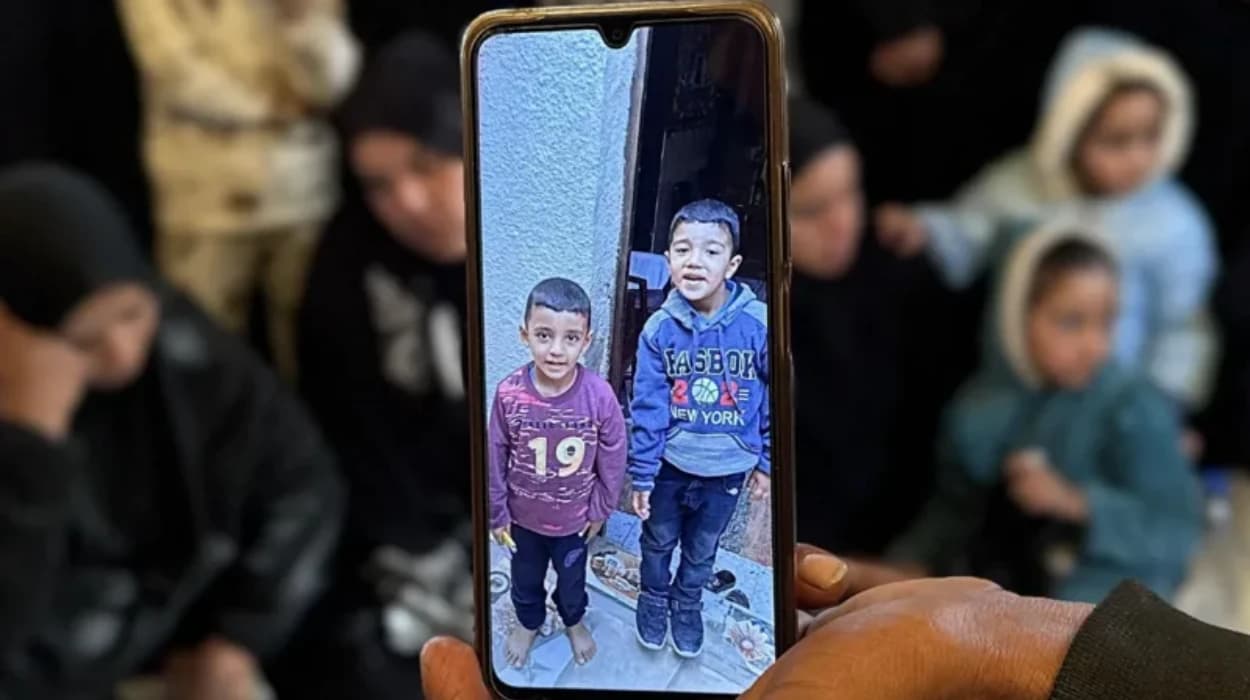
The Gaza Health Ministry's casualty figures serve as a primary source for tracking deaths amid ongoing conflict in the region, offering detailed records that inform global humanitarian responses. These reports, compiled by local medical professionals, highlight the scale of human suffering in densely populated areas under strain. Understanding their methodology and context provides clarity on the challenges of data collection in war zones.
Origins and Role of the Gaza Health Ministry
The Gaza Health Ministry operates as the central authority for public health data in the territory, maintaining hospital records, death certificates, and demographic details during crises. Staffed by healthcare workers, it aggregates information from overwhelmed facilities to document fatalities from violence, airstrikes, and indirect causes like medical shortages.
This system ensures systematic reporting even amid infrastructure collapse, with lists including names, ages, and IDs for verified cases. United Nations agencies often reference these figures for aid coordination, recognizing their alignment with independent verifications.
How Casualty Figures Are Compiled
Data collection relies on frontline hospitals, clinics, and morgues submitting daily tallies, supplemented by media and family reports when direct access fails. The ministry distinguishes identified victims from those under rubble, providing transparency on incomplete records.
Women and children frequently comprise over half of reported deaths, reflecting urban combat's impact on civilians. The World Health Organization notes that conflict zones like Gaza face exacerbated mortality from disrupted care, where untreated injuries lead to higher tolls.
Credibility and International Validation
Independent studies and UN bodies have found the ministry's numbers consistent with their own surveys, such as those from UNRWA, which report similar death rates per capita. While debates exist over combatant versus civilian distinctions, experts affirm the overall scale through cross-checks with satellite imagery and eyewitness data.
The ministry's past figures in prior conflicts matched post-war analyses, building reliability despite operational challenges. This validation supports its use by organizations like the International Committee of the Red Cross for response planning.
Key Patterns in Reported Fatalities
Reports show spikes during escalations, with thousands lost in short periods due to bombardment in residential zones. Children under 18 account for nearly a third of cases, straining pediatric services already limited by supply shortages.
Gaza's high population density amplifies risks, as per UN habitat assessments, where over 2 million people navigate confined spaces vulnerable to crossfire. Injuries outnumber deaths by ratios exceeding 2:1, overwhelming facilities per WHO guidelines on war medicine.
Challenges in Accurate Counting
Collapsed infrastructure and access restrictions hinder full tallies, with bodies under debris or in inaccessible areas contributing to undercounts. The ministry acknowledges gaps, revising upward as recoveries occur, a practice mirrored in global conflict reporting.
Indirect deaths from famine, disease, or lack of dialysis—common in blockaded areas—add layers, as highlighted by WHO public health analyses in occupied territories.
Demographic Breakdowns from Ministry Data
- Children and Youth: Substantial portions, often exceeding 30%, perish from strikes on homes or schools, per detailed lists.
- Women: Representing key shares, they face heightened exposure during evacuations or aid queues.
- Elderly: Vulnerable to collapses or untreated conditions in shelter overcrowding.
- Overall Civilians: Predominant, though exact militant figures remain unspecified, fueling proportionality discussions.
These insights guide targeted aid, like UNICEF's child protection efforts.
Humanitarian Impacts Beyond Direct Deaths
The toll extends to trauma and displacement, with UN estimates of millions affected by recurrent crises. World Bank data on fragile states shows violence erodes health systems, leading to chronic poverty cycles where families lose breadwinners.
Healthcare access drops sharply, with IMF-noted economic contractions amplifying malnutrition risks in aid-dependent populations.
Comparisons with Independent Surveys
Surveys like those on medRxiv estimate totals aligning closely or exceeding ministry figures, confirming violent deaths in the tens of thousands. Temporal consistency with UNRWA data reinforces patterns of escalation-driven losses.
Such corroboration underscores the ministry's role amid restricted independent access.
Global Response Informed by These Figures
UN resolutions and WHO appeals leverage the data for ceasefires and aid corridors. The World Economic Forum highlights stalled diplomacy's role in sustaining health crises, urging data-driven interventions.
OECD donor nations channel funds based on these reports, prioritizing rubble clearance and medical evacuations.
Ethical Considerations in Reporting
Transparency demands distinguishing direct violence from secondary effects, a balance the ministry strives for despite pressures. HumanRights Watch emphasizes verifying lists to counter misinformation, promoting accountability probes.
UNESCO notes cultural losses compound human ones, as strikes damage heritage sites vital for identity.
Lessons for Conflict Data Systems Worldwide
Gaza's model offers replicable practices for war-torn areas: centralized yet decentralized collection via digital lists. It informs WHO frameworks for mortality surveillance in emergencies, enhancing global preparedness.
Pathways to Improved Health Outcomes
Restoring facilities and ensuring unhindered reporting could lower future tolls. UN-backed truces have historically enabled recoveries, proving data's role in de-escalation.
Sustained investment in resilient infrastructure, per World Bank resilience models, supports long-term recovery.
Gaza Health Ministry death toll reports illuminate the profound human cost of conflict, with figures in the tens of thousands validated by international observers. Prioritizing verified data drives effective aid and diplomacy, offering a foundation for mitigating suffering and pursuing stability.