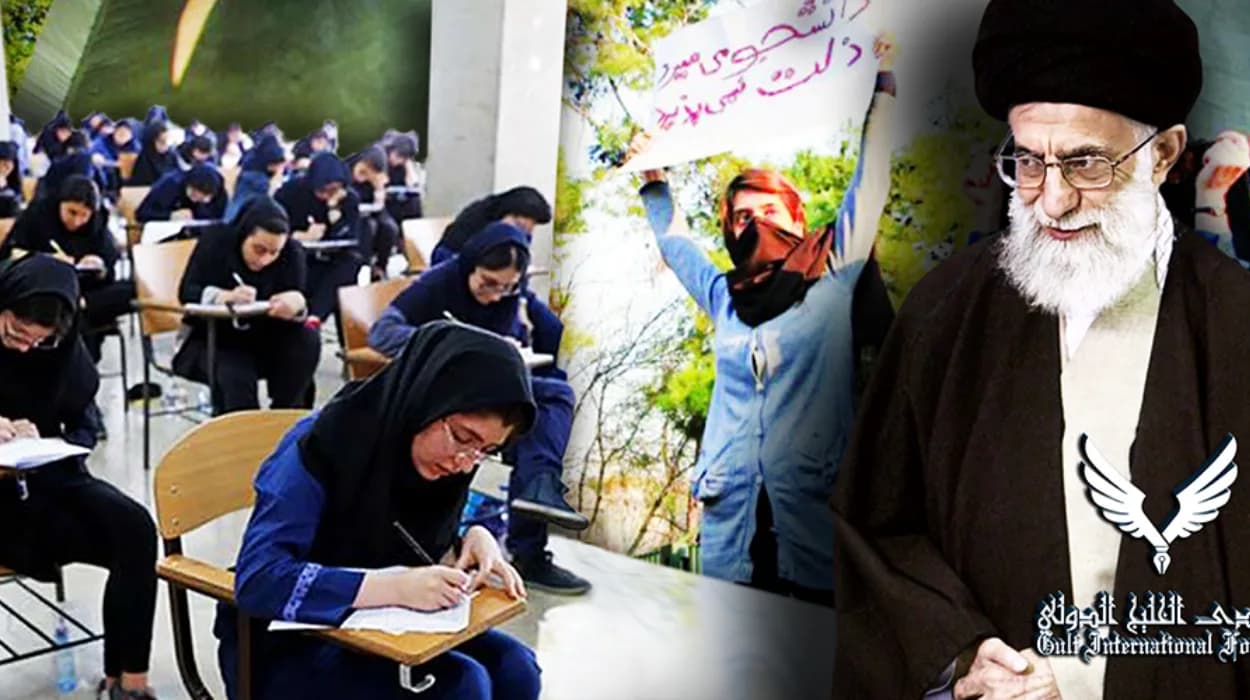
Iran has embarked on an ambitious journey to fortify its position as a regional leader in education, science, and technology. Over recent decades, the government's strategic initiatives have sought to transform the Iranian economy from one primarily dependent on natural resources to a knowledge-based economy, driven by innovation and research. This article explores these ongoing efforts, highlighting key government programs, educational reforms, and technological advancements designed to nurture domestic talent and propel Iran onto the global stage. The nation's comprehensive approach emphasizes the integration of cutting-edge technologies like artificial intelligence (AI), digital education platforms, and strong university-industry collaborations, fostering sustainable growth and technological sovereignty.
Education as a Foundation for Technological Growth
At the heart of Iran's development strategy lies education, considered essential for nurturing a skillful and innovative workforce capable of advancing science and technology. The government guarantees free education up to secondary school, laying a solid foundation for higher learning and research. Recent reforms focus on incorporating digital literacy and computational thinking directly into the curriculum, with programs designed to equip students and teachers with necessary digital skills.
Following the global trend toward digital transformation, Iran has adopted policies to expand virtual education and digitize textbooks aligned with the national curriculum, enhancing accessibility and learning quality. Special emphasis is placed on training educators to effectively deliver technology-enabled learning, ensuring readiness for emerging educational challenges. These reforms are backed by widely recognized competency frameworks developed by the Ministry of Education, aiming to systematize digital education across the country.
Advancing Artificial Intelligence Education and Capacity
Iran has recognized the strategic importance of artificial intelligence as a cornerstone of future technological leadership. A landmark initiative involves the launch of a national AI education program targeting one million students aged 7 to 15. This ambitious program provides free access to an AI-focused educational platform, designed to blend theoretical knowledge with practical skills through engaging, interactive modules.
Moreover, the government has invested in training 100,000 teachers and parents alongside students to create an enabling environment for AI learning. The initiative aligns with Iran’s broader vision to build a domestic AI ecosystem, supported by the development of a "national AI operating system," the establishment of a GPU data center, and plans for an AI technology park. These projects aim to build sovereign AI capabilities that are culturally attuned and independent of foreign technological dependencies.
Integrating Technology in Higher Education and Research
The Ministry of Science, Research, and Technology plays a critical role in formulating priority directions for the development of higher education and technology sectors. The government supports universities in expanding research infrastructure and fostering industry linkages to encourage application-driven research and commercialization of innovations.
Iran's higher education landscape features a rapidly growing university population, with millions of students enrolled across diverse fields. Structured policies encourage universities to orient at least half of their research towards solving socio-economic challenges, reflecting a pragmatic approach to innovation. Research and development expenditures, although historically constrained compared to global averages, have been directed strategically toward high-technology sectors such as nanotechnology, biotechnology, stem cell research, and information technology.
National Digital Education and Qualification Systems
In response to the escalating role of digital technologies worldwide, Iran has proposed the creation of a national digital education center and a digital educational qualification system. These initiatives aim to standardize and enhance the delivery of digital education across formal and informal channels, paving the way for lifelong learning opportunities in science and technology.
At the global level, Iran has actively presented these proposals at international forums, underscoring its commitment to digital transformation in education. The government's digital strategies recognize the inevitable integration of AI and digital tools into everyday learning, which necessitates an adaptable educational framework to prepare students for future employment markets.
Promoting Scientific Research and Innovation Ecosystems
Iran’s long-term vision includes a strong focus on strengthening its scientific research and innovation ecosystems. Government bodies such as the Iranian Research Organization for Science and Technology oversee national research policies, while funding mechanisms support innovative startups and research centers.
Despite challenges posed by international sanctions, Iran has shown resilience, registering a significant increase in patents and scientific publications. Innovation funds and venture capital resources have been established to nurture entrepreneurship and support technology commercialization in fields ranging from pharmaceuticals to electronics.
The nation’s strategic plans emphasize cultivating a culture of innovation through awards, grants, and research support programs that encourage collaboration between universities, industry, and government. These initiatives aim to accelerate the transformation of academic research into market-ready technologies.
Building Infrastructure for Technological Sovereignty
A key aspect of Iran’s government strategy is establishing technological sovereignty, especially in critical areas like AI and data infrastructure. The planned national AI platform is designed to operate independently of foreign systems, utilizing local data and infrastructure. This reduces vulnerabilities linked to international supply chains and political disruptions.
The government’s investment in high-performance computing resources such as GPU data centers represents a significant step toward self-sufficiency in advanced technology sectors. Additionally, initiatives aim to build dedicated technology parks that serve both as innovation hubs and centers for public engagement with new technologies.
Addressing Challenges and Future Prospects
While Iran’s efforts in education, science, and technology promotion have yielded notable progress, certain challenges remain. Funding levels for research and development need further increase to meet global competitiveness standards. Strengthening private sector participation in R&D and innovation remains crucial to complement government-led initiatives.
Furthermore, the integration of digital and AI technologies into the educational system requires continued capacity building among educators and infrastructure upgrading in rural and underserved regions. Addressing these gaps is essential to ensure equitable access to the knowledge economy.
Looking ahead, government strategies are geared toward balancing rapid technological adoption with sustainable development goals. Participating in international scientific collaboration while reinforcing homegrown innovation capacity remains a top policy priority.
Iran’s comprehensive government initiatives to promote education, science, and technology reflect a well-rounded strategy aimed at securing a competitive edge in regional and global arenas. By investing in education reforms, expanding AI literacy, integrating technology into higher education, and fostering innovation ecosystems, Iran is laying a robust foundation for a knowledge-driven economy. The pursuit of technological sovereignty through infrastructure development further solidifies these efforts. Despite some challenges relating to funding and equitable access, the trajectory is clear: Iran is committed to cultivating human capital and advancing its scientific and technological landscape for long-term national development.