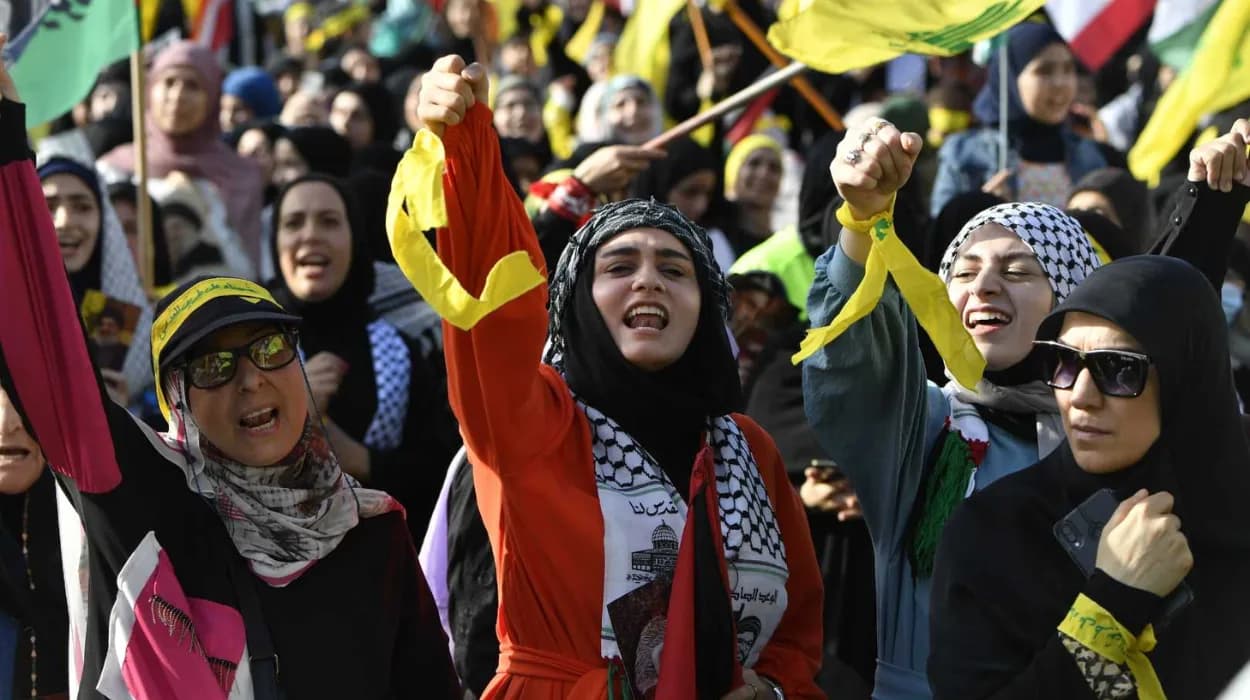
Lebanon’s position in the Israeli-Palestinian conflict is complex and deeply rooted in historical, political, and social factors. While Lebanon officially supports the Palestinian cause, its stance is shaped by internal divisions, regional dynamics, and longstanding tensions with Israel.
Historical Context of Lebanon’s Support for Palestine
Lebanon’s support for Palestine originates from shared Arab identity and opposition to Israeli occupation. Since the 1948 Arab-Israeli war, Lebanon has hosted a significant Palestinian refugee population, estimated at hundreds of thousands, influencing its domestic and foreign policies. The Lebanese government and various political factions have historically aligned with Palestinian aspirations for statehood and self-determination.
Lebanon’s role became more pronounced during the Lebanese Civil War, where Palestinian factions, including the PLO, operated actively within its borders. This involvement complicated Lebanon’s internal politics and security dynamics, forging a lasting bond with the Palestinian issue.
Political Divisions Impacting Lebanon’s Official Stance
Lebanon’s support for Palestine is not monolithic. Multiple sectarian and political groups hold divergent views affecting the country’s foreign policy:
- Hezbollah, a powerful Shiite militia and political party, staunchly opposes Israel and supports Palestinian resistance movements, including Hamas and Islamic Jihad. Hezbollah’s armed strength is a key factor in Lebanon’s militarized posture toward Israel.
- Lebanese Government and Official Policy: Officially, Lebanon rejects normalization with Israel, does not recognize its statehood, and backs Palestinian statehood in international forums like the United Nations. Lebanon also maintains a delicate balance due to internal political fragmentation and its relations with regional powers.
- Christian and Druze Groups: Some factions prioritize Lebanon’s sovereignty and security concerns, occasionally advocating pragmatic engagement to reduce conflict spillover.
These divisions shape Lebanon’s diplomatic rhetoric and capabilities, reflecting a society balancing competing interests.
Lebanon’s Official Support for Palestine
Lebanon’s government supports Palestinian rights through several channels:
- Refugee Policies: Lebanon hosts millions of Palestinians, though with restricted rights to employment and property due to security concerns. Lebanon advocates for Palestinian refugees’ right to return as a core component of peace.
- Diplomatic Actions: Lebanon consistently votes in favor of UN resolutions supporting Palestinian self-determination. It participates in Arab League efforts and international bodies promoting Palestinian causes.
- Non-Recognition of Israel: Lebanon is among the few countries that do not maintain diplomatic relations with Israel, reflecting official rejection of Israeli policies toward Palestinians.
These measures underscore Lebanon’s formal alignment with Palestinian national aspirations despite internal complexities.
Lebanon’s Opposition to Israel
Hostility between Lebanon and Israel remains deeply entrenched:
- Military Conflicts: The 2006 Lebanon War and occasional border clashes illustrate persistent conflict. Lebanese territories, especially the south, face Israeli security operations and retaliatory strikes targeting Hezbollah and other militant groups.
- Border and Sovereignty Disputes: Disagreements over the Blue Line and maritime areas exacerbate tensions. Israel’s occupation of the Shebaa Farms—territory Lebanon claims as Lebanese—remains a contentious issue justifying resistance rhetoric.
- Israeli
Security Perceptions: Israel views Hezbollah’s presence and Lebanese
militant activities as key threats, influencing its military and
diplomatic posture.
This enduring hostility shapes both countries’ policies and the broader regional security environment.
Social and Humanitarian Implications
Lebanon’s support for Palestine is also driven by humanitarian concerns:
- Refugee Crisis: Lebanese hosting of Palestinian refugees creates socio-economic pressures while highlighting solidarity bonds. UN agencies and NGOs provide aid, but political stagnation often hampers solutions.
- Impact of Conflicts: Lebanese civilians endure disruptions from Israeli-Lebanese hostilities, including displacement and infrastructure damage, underscoring the human costs of unresolved conflict.
Efforts to address these issues remain integral to Lebanon’s role in the conflict narrative.
Regional and International Dimensions
Lebanon’s Palestinian support intersects with regional geopolitics:
- Role of Syria and Iran: Both countries back Hezbollah and support Palestinian factions, influencing Lebanese policies and military capabilities.
- Arab World’s Shifting Alliances: Despite some Arab states normalizing relations with Israel, Lebanon largely maintains traditional support for Palestine, reflecting its unique pressures and alliances.
- International Mediation: UN peacekeeping forces (UNIFIL) and global diplomatic efforts aim to prevent escalation along the Israel-Lebanon border but face ongoing challenges.
Lebanon’s position thus forms part of the broader MiddleEastern geopolitical tapestry.
Challenges and Prospects for Lebanon
Lebanon’s support for Palestine is constrained by several factors:
- Domestic Instability: Economic crises and political fragmentation limit Lebanon’s ability to engage effectively.
- Security Threats: Internal tensions and the threat of Israeli incursions complicate stable policy formation.
- Refugee Integration: Balancing support with socio-economic realities poses ongoing dilemmas.
Looking ahead, Lebanon’s stance will likely continue to emphasize Palestinian rights while navigating regional power plays and internal challenges.
Lebanon officially supports Palestine politically and diplomatically, rooted in historical ties and shared identity. However, this support is nuanced by domestic divisions and regional dynamics, with Hezbollah playing a defining role in opposition to Israel. Lebanon’s non-recognition of Israel and backing of Palestinian refugees underscores its commitment, but internal challenges and geopolitical complexities shape its policies. Understanding Lebanon’s multifaceted stance provides insight into its pivotal role in the Israeli-Palestinian conflict and broader Middle East stability.