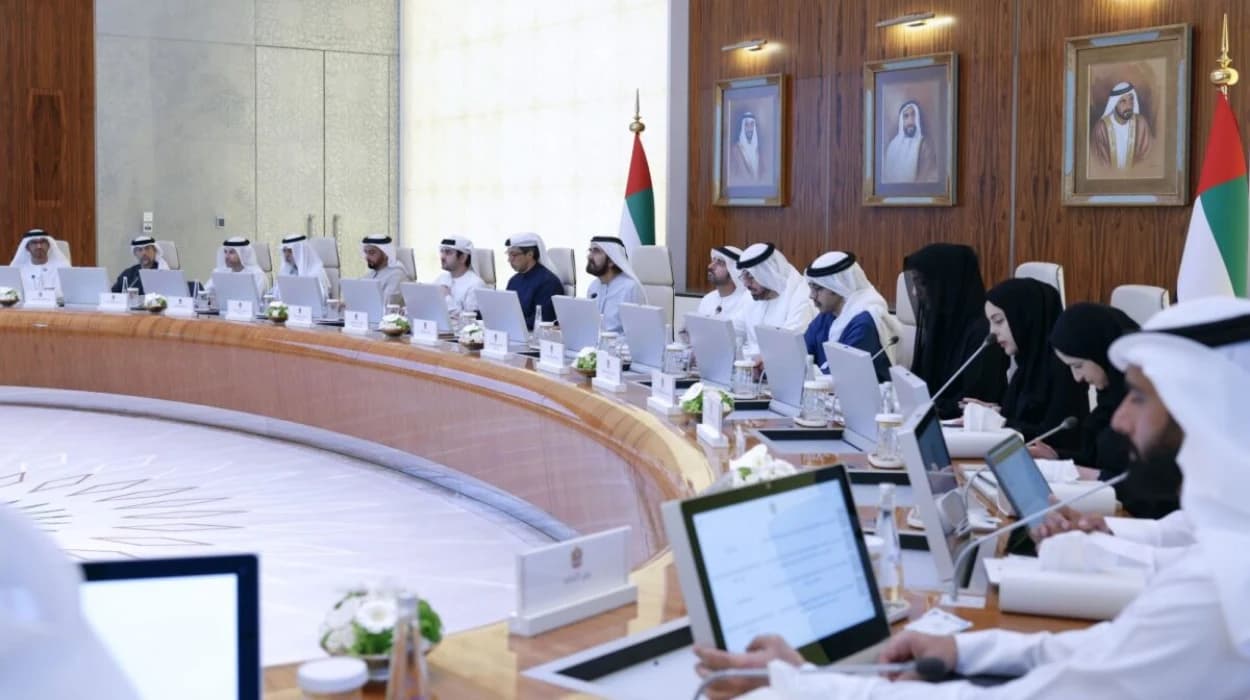
The United Arab Emirates (UAE) stands as a global exemplar in ambitious policy-making, leveraging innovation, sustainability, and economic diversification to position itself at the forefront of future-forward nations. With a strategic focus that transcends mere resource-based wealth, the UAE government has implemented robust national plans and initiatives that safeguard long-term prosperity while fostering active roles in global economic and environmental stewardship. This article explores these forward-looking policies, detailing their multifaceted dimensions and the mechanisms through which the UAE cements its role as a pioneer in innovation, environment-friendly growth, and diverse economic development.
Driving Economic Transformation Beyond Oil Dependency
At the heart of the UAE’s policy framework is a clear commitment to reducing reliance on hydrocarbons, historically the backbone of its economic success. Recognizing the finite nature of fossil fuels and the volatility of global oil markets, the government has pioneered strategic diversification plans that channel substantial investments into emerging industries.
A prime example is the national Vision 2031, branded “We the UAE 2031,” a comprehensive roadmap laying out a decade-long blueprint that aspires to double the country’s gross domestic product and amplify non-oil sector contribution. This vision anchors economic diversification with deliberate expansion in sectors such as artificial intelligence (AI), blockchain technologies, exports, tourism, logistics, healthcare, and clean energy, aiming to develop a knowledge-based economy that sustains growth while elevating the UAE’s competitiveness globally.
Policies under this vision explicitly seek to boost non-oil exports and to raise the tourism sector’s GDP contribution, aligning with the creation of attractive investment environments and proactive legislation to foster emerging economic segments. Furthermore, strategic infrastructural upgrades underpin these goals, including the development of digital infrastructure and smart city solutions that fuel innovation ecosystems. These initiatives not only enhance overall economic output but sustain employment creation, drawing global talent while nurturing local capabilities.
Innovation as the Economic Catalyst
Innovation is firmly embedded as a key lever in the UAE’s development narrative. Government policies incentivize research and development activities, start-ups, and adoption of advanced digital technologies. Platforms supporting entrepreneurship and innovation hubs showcase the government’s focus on increasing the country’s competitiveness in global markets by nurturing knowledge-intensive economic activities.
The UAE strategically invests in frontier digital technologies including AI, Internet of Things (IoT), quantum computing, and blockchain to modernize sectors from healthcare to public services. For instance, initiatives to embed AI across government operations enhance efficiency and quality of citizen services, contributing to a smarter public sector and improved quality of life. Moreover, the government stimulates private sector innovation by creating supportive regulatory frameworks and funding mechanisms that reduce barriers for startups and scale-ups in the tech ecosystem.
An important element of innovation policy is the emphasis on building human capital. The UAE continuously reforms educational systems and promotes upskilling programs designed to align workforce capabilities with the demands of a technology-driven economy. Coupled with global talent attraction strategies, this ensures a robust pipeline of innovation leaders, technical experts, and creative thinkers who can sustain and accelerate the nation’s transformation.
Commitment to Sustainable Development
A distinct hallmark of UAE policies is the embedded commitment to sustainability that permeates economic and social strategies. The UAE Government’s Green Agenda 2030 exemplifies this, focusing on an environmentally conscious growth trajectory that targets substantial GDP increases while drastically reducing carbon emissions and overall environmental footprint.
Central to this agenda are initiatives promoting renewable energy investments, resource-efficient urban designs, and sustainable agriculture. The UAE’s ambitious goal to neutralize its carbon footprint by 2050 is supported by large-scale projects such as the Mohammed bin Rashid Al Maktoum Solar Park, which is among the largest renewable energy projects globally, and pioneering low-carbon urban developments like Masdar City. These projects illustrate the integration of cutting-edge green technology combined with ecosystem conservation measures to balance economic growth with environmental preservation.
Supporting this vision, the UAE has launched bold climate investment vehicles, such as ALTÉRRA, which mobilizes billions in private capital towards industrial decarbonization and sustainable energy transitions. This dual approach of setting emission reduction targets and facilitating climate tech finance highlights the government’s strategy to catalyze a green economy that is resilient, technologically advanced, and globally competitive.
Fostering Inclusive and Forward-Looking Governance
The government’s systemic approach also extends to governance reforms that enhance transparency, agility, and responsiveness to changing economic dynamics. Policies emphasize digital transformation of government services and proactive legislative frameworks to create an enabling environment for innovation and sustainable business practices.
Strategically, the UAE positions itself as a global hub for partnerships and collaborations, inviting investment and expertise from diverse international stakeholders. The focus on future-ready infrastructure and integrated economic zones supports diplomatic and trade relations, reinforcing the UAE’s status as an interconnected economic powerhouse.
Moreover, the national plan includes social development goals enhancing quality of life through advanced healthcare, education, and environmental quality, supporting cross-sectoral growth and societal well-being—key elements that underpin the country’s long-term economic and environmental ambitions.
The UAE’s government policies exemplify a cohesive and visionary framework systematically promoting innovation, sustainability, and economic diversification. By consciously shifting economic reliance away from traditional oil revenues and investing heavily in emerging industries, technology, and green growth, the UAE cultivates a resilient and forward-looking economy.
With visionary national strategies such as Vision 2031 and the Green Agenda 2030, the UAE commits not only to economic expansion but to sustainable, high-quality growth fostered by innovation and sound governance. These pioneering policies underpin the UAE’s role as a global leader in shaping the future economy, providing a blueprint for other nations seeking sustainable prosperity in an era of rapid technological and environmental change.