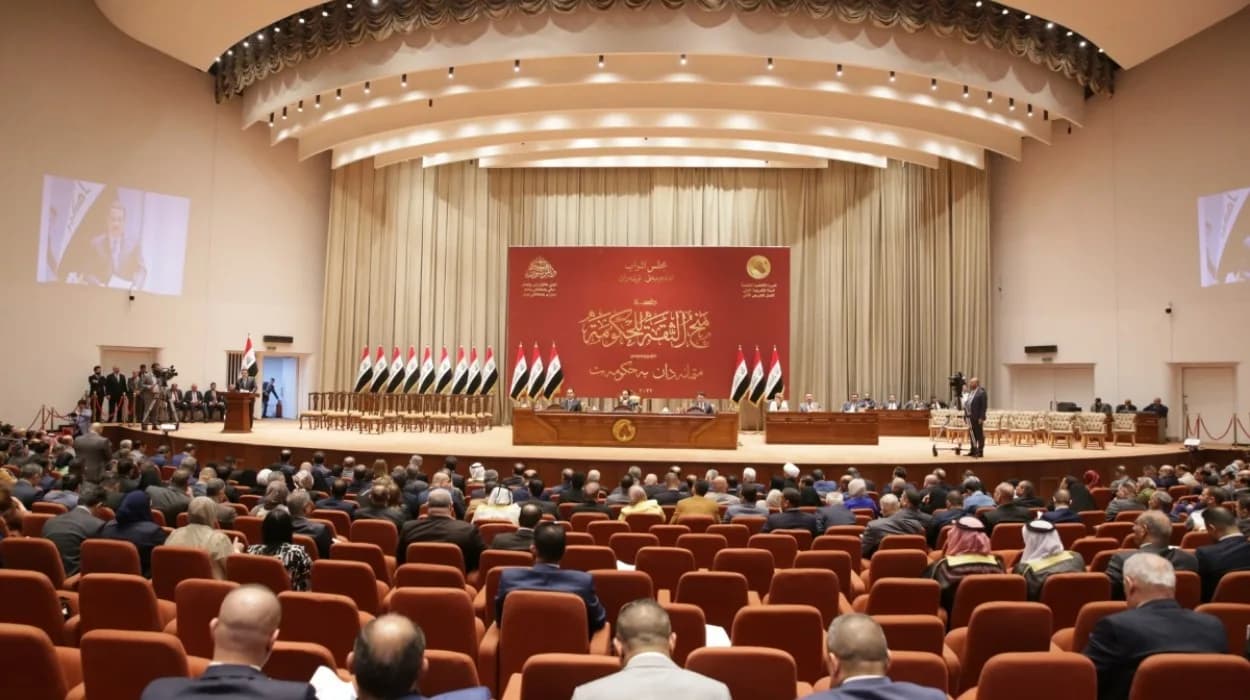
Iraq stands at a critical juncture in its modern history, grappling with the complex challenge of recovering and diversifying its economy while navigating political reforms amidst regional instability and global economic pressures. A country long dependent on oil revenues is now pursuing strategic reforms aimed at restructuring its government, enhancing fiscal management, and revitalizing non-oil sectors to foster sustainable economic growth. This article explores Iraq’s political reforms and government strategies that are key drivers supporting its ongoing economic recovery efforts, offering a comprehensive view of fiscal, infrastructural, and governance initiatives shaping the nation’s trajectory for stability and prosperity.
Economic Context and Challenges
Iraq’s economy has historically hinged heavily on hydrocarbon exports, with oil revenues accounting for over 90% of government income. Such oil dependency exposes the country to vulnerabilities due to fluctuating global oil prices and production constraints imposed by OPEC+ agreements. Despite recent government efforts, Iraq faces fiscal pressures marked by widening budget deficits, rising public debt, and constrained fiscal space. The government’s recurrent expenditures, particularly large public sector wages and subsidies, challenge efforts to allocate resources to vital infrastructure and diversified economic development.
Low oil prices combined with restricted production capacities have slowed economic growth and elevated risks to fiscal sustainability. Inflation has remained subdued due to weak domestic demand and moderated food prices, but the narrowing fiscal buffers require urgent reforms to prevent further economic deterioration. The precarious fiscal situation underscores the importance of broad-based structural reforms to expand non-oil revenues, optimize public spending, and enhance financial sector efficiency.
Political Reforms Driving Economic Stability
In parallel with economic recovery measures, Iraq’s evolving political reforms aim to stabilize governance structures and strengthen institutional frameworks critical for economic development. The multiparty parliamentary system continues to face challenges related to entrenched political elites and factionalism, which often delay or complicate reform implementation. However, recent reforms focus on increasing government transparency, anticorruption measures, and streamlining bureaucratic processes.
Efforts to improve legislative oversight and accountability have been complemented by initiatives to enhance electoral processes and strengthen civic engagement. These political reforms are essential for building public trust and creating a conducive environment for investment and private sector growth. By fostering more stable political governance, Iraq seeks to attract both domestic and foreign investors, reduce policy uncertainties, and support long-term economic planning.
Fiscal and Budgetary Reforms
A cornerstone of Iraq’s recovery strategy is a sizable fiscal adjustment aimed at stabilizing public debt and improving budgetary discipline. The government has introduced measures to limit non-essential expenditures and prioritize capital investments that underpin diversified economic growth. Reforms target the public wage bill to contain recurrent spending, including freezing or rationalizing hiring practices in the public sector and gradually adopting attrition policies.
On the revenue side, Iraq is enhancing tax administration and exploring broader taxation reforms. These include restructuring personal income tax, introducing general sales taxes, modifying customs duties, and increasing excises on select goods — steps intended to mobilize non-oil revenues. Simultaneously, efforts to strengthen financial governance through tighter controls on informal trade and anti-money laundering regulations support fiscal consolidation.
These fiscal reforms are supported by international institutions, aiming to reduce Iraq’s reliance on oil revenue and improve its economic resilience against external shocks. The reforms also stress the importance of protecting social spending, particularly targeted cash-transfer programs, to safeguard vulnerable populations during the transition.
Diversification and Infrastructure Development
Economic diversification beyond oil forms the backbone of Iraq’s medium- to long-term recovery plans. The government actively promotes growth in sectors such as agriculture, manufacturing, housing, infrastructure, and services — all critical for sustainable job creation and economic stability. Public-private partnerships are encouraged, supported by reforms that simplify company registration, investment approvals, and procurement processes.
Infrastructure investment remains a priority, with a focus on rebuilding electricity networks, water systems, transport links, and telecommunications. Privatization initiatives in electricity distribution, state-owned factories, and downstream oil industries are cautiously progressing to attract private sector expertise and financing.
The establishment of the Iraq Development Fund as the country’s first sovereign wealth vehicle channels surplus oil revenues into strategic projects, fostering public-private collaborations. Foreign direct investment, both regional and international, is increasingly directed toward reconstruction, consumer markets, real estate, healthcare, and energy projects — diversifying economic dependence and expanding employment opportunities.
Financial Sector Reforms
Modernizing Iraq’s financial sector is pivotal for sustaining economic revitalization. Restructuring state-owned banks aims to improve governance, transparency, and risk management. The facilitation of formal correspondent banking channels reduced the gap between official and parallel exchange rates, enhancing foreign exchange stability.
Moreover, anti-money laundering measures and regulatory reforms are designed to create a more robust banking system attractive to foreign investment and essential for supporting private sector growth. Opening the banking sector to foreign institutions is simplifying access to credit and expanding financial services, crucial for entrepreneurial activities and small- to medium-sized enterprises.
Consumer Market and Private Sector Growth
Iraq’s young population, with a median age around 21, along with improving security conditions and gradually rising incomes, provide fertile grounds for consumer market expansion. Retail, food processing, entertainment, and other services sectors show growing demand, attracting regional and international brands.
Government efforts to create a pro-business environment by easing regulations and endorsing fair competition are gradually boosting private sector confidence. Encouraging entrepreneurship and innovation remains a priority, with an understanding that economic recovery must be broadly inclusive beyond government-driven initiatives.
Iraq’s economic recovery is closely intertwined with ongoing political reforms and government strategies that emphasize fiscal discipline, diversification, and good governance. While significant challenges persist due to oil dependency, geopolitical instability, and fiscal constraints, the concerted reforms in budget management, taxation, financial sector modernization, and infrastructure development reflect a strategic roadmap toward stability and growth. Encouraging public-private partnerships, protecting social spending, and fostering a stable political environment are indispensable for Iraq’s sustainable development journey. Success will depend on continued commitment to reform implementation and the ability to navigate internal political complexities while harnessing economic opportunities.