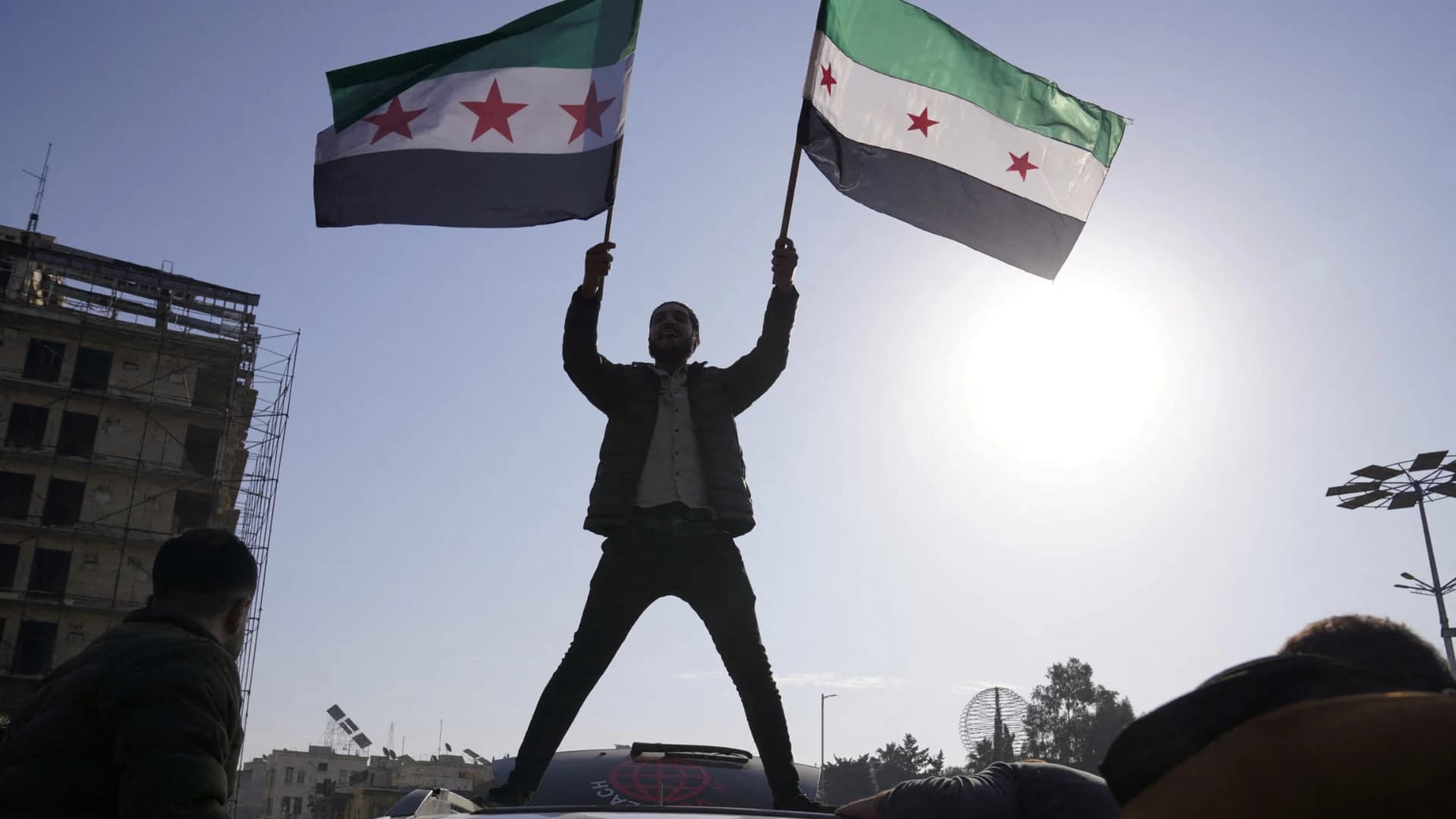
Syria has also been a historical supporter of Palestine and is still perceived as a key ally by the Palestinian groups despite the change of regime in 2025. The Palestinian forces vehemently support the rights of people of Syria to self-rule as well as have hopes that a new leadership maintains the longtime association of Syria on the side of Palestinians in regard to their freedom and justice.
Syria’s Historical Support for Palestine
The Syrian position on Palestine has been one of the foundations of Middle East politics. Syria, for decades, housed hundreds of thousands of Palestinian refugees whose homes were destroyed in the Nakba of 1948 and other Israeli-Palestinian, ongoing violence. Politically, Syria has been a very firm supporter of the Palestinian liberation movements and the opposition to the Israeli occupation.
During the Assad regime, Syria remained at the forefront of close relationships with the major Palestinian organizations like the Palestinian Liberation Organization (PLO) and Fatah and especially Hamas, the result of Hamas being a by-product of the Muslim brotherhood but also having strategic ties within Syria.
This support was of various kinds.
- Logistical, and in some cases military, support to Palestinian militant organizations.
- Giving political asylum and safe ground in the Syrian territory.
- Providing safe haven to Palestinian exiles in times of crisis.
- Promotion of the rights of Palestinians in regional and international bodies.
It is seen that the support of Syria was essential in the determination of Palestinian resistance strategies and regional solidarity.
Palestinian Factions’ Reactions to al-Assad’s Ouster
The overthrow of Bashar al-Assad in late 2024 and early 2025 changed the political situation in Syria considerably, causing Palestinian factions to approach the new situation cautiously but with hope concerning the future situation of Syrian aid.
Palestinian Authority (PA)
The PA expressed support to the Syrian people supporting their political will and independence. It stressed the need for Syrian unity and stability and highly urged the emerging leadership to remain committed with the cause of Palestine i.e. the just cause of Palestinian liberation and rights to independence.
Palestinian Islamic Jihad (PIJ)
The PIJ being an ally to Hamas and Iran emphasized that fact that the matters of Syria are the business of the people of Syria. They have given hope that Syria has been and continues to be a firm and steadfast supporter and backer of the Palestinian cause whose history and solidarity cannot be broken.
Popular Front for the Liberation of Palestine (PFLP)
Whilst traditionally, the PFLP were on the same side regarding Assad, they primarily laid the emphasis on the criticism of the ongoing Israeli attacks against Syria. They cautioned regional aggressors could use Syria political transition to increase aggression against Syria and Palestinians.
Palestinian National and Islamic Forces in Damascus
This alliance termed the removal of the Assad regime as an internal Syrian issue and expressed the hope that a new Syria that would replace the old one could be built on democracy, justice and complete sovereignty and continue to fulfill its brotherly obligations to the Palestinians.
Political Nuances: Past Divergences and Current Realities
As Syria was a key backer for Palestinians, the Syrian Civil War changed the picture:
- At the outset of the campaign, Hamas resisted the anti-Assad opposition, which led to tensions with Iran and Hezbollah, two of the allies of Assad.
- This estrangement did not kill off alliances, rather pragmatism led to the Interim restoration of relations despite established differences.
- The stance of the Palestinian factions is frequently informed by regional alliances as well and this adds complexity to their relationship with the SYRIAN changing governances.
This subtle truth reflects the shift in the greater geopolitics taking place in the Middle East today as well
What Does Syria’s Support Mean for Palestine?
The importance of Syria in backing Kuwait is better appreciated on symbolic grounds and the strategic.
- It confirms the Palestinian stand in regional and international arenas.
- Offers methodical and political channels of opposition to the Israeli occupation.
- It is a safe haven for Palestinians fleeing instability in their countries.
But such a future of sustained Syrian support is less certain due to political upheavals in Syria, and Palestinians politically and cautiously hope that change brings continuity.
What Does This Mean Going Forward?
The transition in the leadership of Syria poses a challenge as well as a window of a new opportunity to Palestine:
- Further support is contingent on the stability of Syria and the foreign policy of new authorities.
- Palestinian groups are attempting to be constructive to Syrian authorities so as to ensure that they gain their support in the long run.
- New Syria-Palestine relationships have been affected by the emergence of regional powers, e.g. Iran and Turkey as well as the Gulf states.
- The Palestinians should also fight unity and cohesiveness in light of the uncertainty in the region.