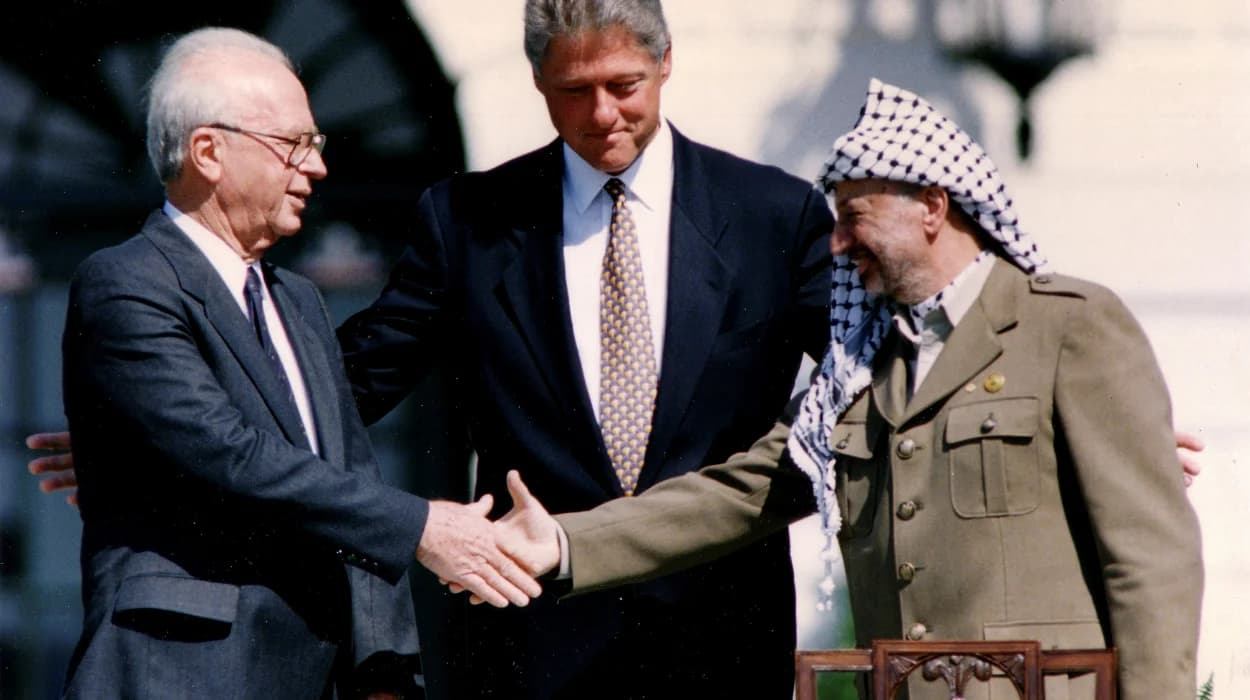
The longstanding conflict between Israel and Palestine has shaped Middle Eastern geopolitics and international relations for decades. In 2025, unprecedented diplomatic efforts saw a significant breakthrough aimed at moving the region toward peace. This article explores the Israel and Palestine peace treaty of 2025, the negotiations that led to it, the challenges faced, and its potential implications for lasting stability.
Background Context: Historical Conflict and Previous Efforts
The Israeli-Palestinian conflict traces back over a century, involving competing national aspirations, territorial disputes, and deep-seated historical grievances. Earlier peace initiatives—including the Oslo Accords, the Camp David Summit, and various UN resolutions—have yet to resolve core issues such as borders, settlements, refugees, and the status of Jerusalem.
The persistence of violence, humanitarian crises in Gaza and the West Bank, and periodic wars heightened the urgency for new, effective peace measures.
The 2025 Peace Treaty: Key Developments
The peace treaty that emerged in 2025 followed extensive negotiations mediated by key international players including the United States, Egypt, Qatar, and the United Nations. This agreement was based on a carefully designed three-phase ceasefire proposal, initially drafted in 2024 and signed officially on January 17, 2025. The treaty aimed to implement a phased and durable ceasefire between Israel and Hamas-led Palestinian factions, serving as a foundation for reducing hostilities. A central element of the agreement was a comprehensive exchange of hostages and prisoners, symbolizing a trust-building measure critical to advancing peace. The treaty also marked the beginning of a phased Israeli withdrawal from parts of the Gaza Strip, a step toward reducing military presence and tension in the area. To facilitate long-term recovery, an international coalition pledged to support a reconstruction process for Gaza, scheduled to last between three and five years, addressing the extensive humanitarian and infrastructure damage. Additionally, the treaty ensured the provision of humanitarian aid access for Gaza residents and allowed displaced Palestinians to return to their homes, fostering conditions for renewed stability and coexistence.
Mediation and Diplomatic Efforts
The 2025 peace treaty negotiation was coordinated through a complex, multi-party diplomacy involving regional powers and global actors. Egyptian and Qatari mediators played a pivotal role as neutral facilitators trusted by both Israeli and Palestinian sides.
U.S. Presidents Joe Biden and Donald Trump (president-elect at the time) exerted significant diplomatic pressure and influence, signaling a bipartisan American push for peace irrespective of domestic political transitions. The United Nations Security Council endorsed the ceasefire through Resolution 2735, further providing international legitimacy.
Despite hurdles including accusations of bad faith, delayed releases of hostages and prisoners, and ceasefire violations from both sides, a formal framework was maintained.
Stages of the Peace Process in 2025
The treaty’s phased approach outlined three distinct stages aimed at conflict resolution and humanitarian recovery:
- Initial
Ceasefire and Hostage Exchange: Hamas agreed to release a first group
of hostages, while Israel reciprocated by releasing a number of
Palestinian prisoners, primarily women and children. Concurrently, Israel
began a scaled withdrawal and humanitarian aid started flowing into Gaza.
- Permanent
Ceasefire Negotiations: The second stage aimed at negotiating a
lasting ceasefire alongside complete release of all remaining Israeli
hostages and further prisoner exchanges. The goal was to consolidate calm
and stabilize the situation.
- Final
Resolutions and Reconstruction: The final stage envisioned the release
of deceased hostages’ remains, lifting of the Gaza blockade, and
demilitarization commitments by Hamas, followed by a wide-scale
reconstruction plan.
Challenges and Ongoing Issues
Despite the landmark nature of the 2025 peace treaty, significant challenges persisted in its implementation. Israel’s refusal to withdraw from the Philadelphi corridor, a strategically important border zone adjoining Gaza and Egypt, generated deep mistrust and was perceived by Palestinians and Egypt as a breach of the agreement’s spirit. Additionally, repeated violations of the ceasefire and delays in the timely release of prisoners from both sides underscored the fragile trust necessary for the treaty’s success. Political divisions within Israeli and Palestinian leadership further complicated efforts to secure unified and sustained support for the treaty’s comprehensive application. Moreover, international humanitarian concerns remained acute due to ongoing restrictions affecting the delivery of aid and the protection of civilians amid intermittent hostilities, highlighting the complex and fragile nature of peace in the region.
Humanitarian and Political Impact
The ceasefire brought immediate relief to Gaza’s civilian population, allowing displacement reversals and humanitarian deliveries that alleviated shortages in food, fuel, and medical supplies. The exchange of hostages and prisoners humanized the conflict’s toll and fostered incremental goodwill.
Politically, the treaty represented a rare moment of convergence, offering a platform for dialogue and renewed peace talks. It rekindled hopes for a two-state solution aligned with broader UN and international community goals.
Toward Sustainable Peace
The sustainability of the 2025 peace treaty hinges on ongoing diplomatic engagement, the faithful fulfillment of commitments by all parties, and addressing the fundamental issues that have long fueled the conflict. Establishing lasting governance arrangements in both Gaza and the West Bank remains crucial to ensuring political stability and effective administration. Resolving territorial disputes, including the contentious Israeli settlements, is essential for fostering mutual trust and enabling a viable Palestinian state. The treaty must also guarantee the rights, security, and freedoms of both Palestinians and Israelis to build enduring peace. Furthermore, promoting economic rebuilding and development within the Palestinian territories is vital for improving living conditions and reducing factors that lead to unrest. International partners such as the United States, Egypt, Qatar, and the United Nations continue to play indispensable roles as guarantors and mediators, providing essential support to maintain momentum in peace efforts and to broker compromises critical to the treaty’s success.
Features of the 2025 Israel-Palestine Peace Treaty
The 2025 Israel-Palestine peace treaty included a phased ceasefire plan that featured a staged exchange of hostages and prisoners between Israel and Hamas, marking an important trust-building step. The agreement involved a partial withdrawal of Israeli forces from populated areas within Gaza, while humanitarian aid access was significantly expanded to alleviate the suffering of civilians. A comprehensive reconstruction effort was set to span three to five years, aiming to restore infrastructure and improve living conditions in Gaza with support from an international coalition. The treaty was mediated and guaranteed by key international actors, including the United States, Egypt, Qatar, and the United Nations, who also played a crucial role in overseeing its implementation. Despite these advances, ongoing challenges such as unresolved territorial disputes and violations of the ceasefire underscored the fragility of the agreement and the continued need for sustained diplomatic engagement.