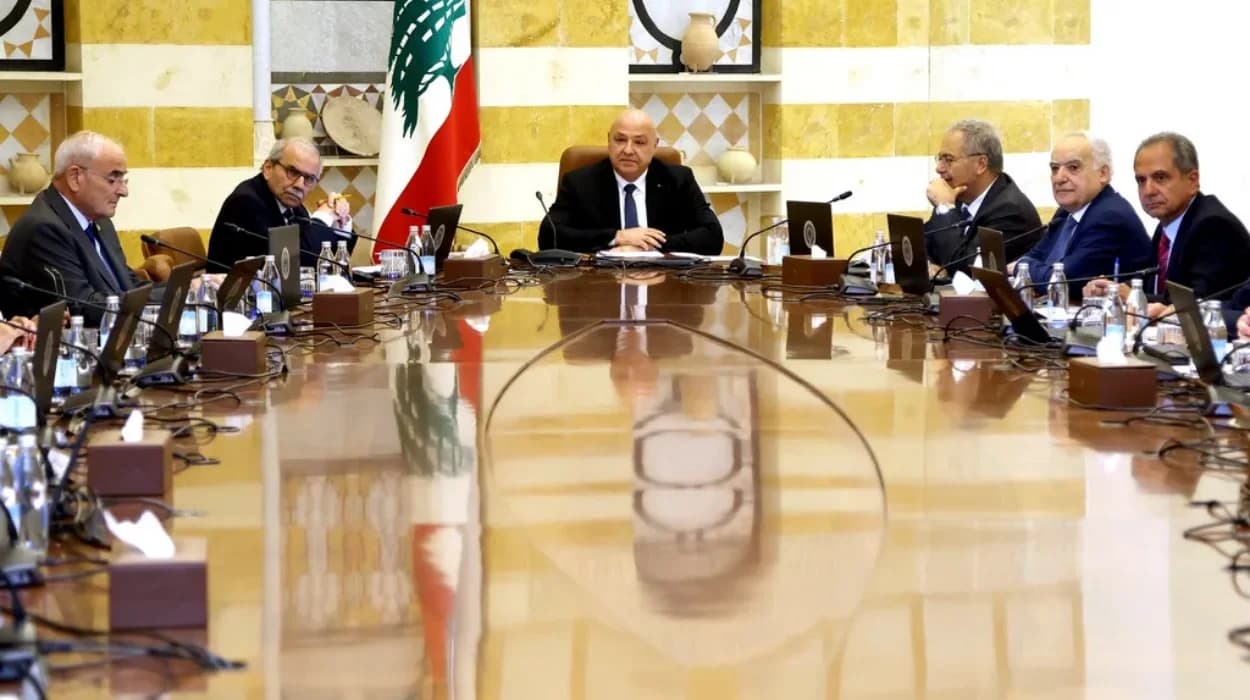
The Republic of Lebanon has long occupied a pivotal diplomatic position in the Middle East and the Mediterranean region. Its unique geographic location, historical ties, and rich cultural diversity allow Lebanon to act as an essential interlocutor and bridge between various states and organizations. Over decades, Lebanon has actively engaged in regional diplomacy and Mediterranean cooperation, playing a key role in fostering dialogue, coordination, and joint initiatives aimed at stability, economic development, and addressing shared challenges. As Mediterranean countries face complex geopolitical, economic, and environmental issues, Lebanon’s participation in diplomatic efforts and regional cooperation frameworks remains indispensable in cultivating peaceful coexistence and shared prosperity.
Lebanon’s Geostrategic Significance in Regional Diplomacy
Situated at the crossroads of Europe, Asia, and Africa, Lebanon commands an influential place in Mediterranean geopolitics. Its proximity to Syria, Israel, Cyprus, and the broader Levant region enhances its importance as a diplomatic actor. Lebanon’s capital, Beirut, has historically functioned as a hub for regional diplomacy, hosting numerous international negotiations, peace talks, and dialogue forums.
Lebanese diplomacy embraces a policy of moderation and openness to multiple regional actors, supported by its diverse sectarian composition which cultivates a nuanced understanding of conflicting interests. Lebanon seeks to act as a mediator and advocate for peaceful solutions to regional conflicts, including the Syrian crisis, Israeli-Palestinian tensions, and inter-Arab disputes. Its position enables the bridging of Western and Arab perspectives, contributing to dialogue continuity even when major powers confront stalemates.
Moreover, Lebanon has taken part in international forums such as the Arab League and the Organization of Islamic Cooperation, positioning itself as a voice for sovereign states' respect, territorial integrity, and conflict resolution based on diplomacy and international law.
Active Engagement in Mediterranean Cooperation Frameworks
Beyond bilateral and regional diplomatic ties, Lebanon has engaged deeply in multilateral cooperation structures dedicated to Mediterranean development and security. The Union for the Mediterranean (UfM), a partnership between European and Mediterranean partner countries, stands out as a premier platform for Lebanon to contribute constructively. Within the UfM framework, Lebanon participates in initiatives targeting economic integration, infrastructure development, renewable energy, environmental protection, and social inclusion.
Lebanon’s collaboration with the European Union under the European Neighbourhood Policy (ENP) exemplifies a primary channel for promoting reforms, economic cooperation, and addressing shared security challenges such as migration and terrorism. This partnership, structured around shared values of democracy, human rights, and sustainable development, enhances Lebanon’s resilience amid regional instability.
Lebanese academic and research institutions, supported by EU programs like Horizon Europe and the PRIMA initiative, contribute to Mediterranean innovation and scientific cooperation on critical issues such as climate change mitigation, water security, and food sustainability. Such engagement positions Lebanon as a proactive contributor to Mediterranean-wide knowledge exchange and technological advancement.
Lebanon’s Role in Economic and Maritime Cooperation Initiatives
Lebanon’s role in Mediterranean maritime and economic cooperation is crucial to enhancing regional trade, connectivity, and infrastructure modernization. The country’s strategic ports, especially Beirut, serve as vital hubs for trans-Mediterranean shipping and logistics. Cooperation projects like OPTIMED aim to optimize and strengthen maritime trade networks by developing integrated, hub-based logistics platforms that enhance the efficiency and reliability of goods movement across the Mediterranean basin, directly benefiting Lebanese ports and their hinterland connections.
Lebanon’s integration into Mediterranean economic cooperation also extends to sectors such as energy transition, where partnerships foster regional renewable energy projects, clean technology investments, and shared research on sustainable development models. Through its participation in EU-backed programs and regional alliances, Lebanon supports balanced economic growth that aligns with green economy principles while promoting regional industrial collaboration.
Furthermore, Mediterranean initiatives such as the Interreg NEXT MED program underscore Lebanon’s role in fostering inclusive economic development through joint projects focusing on innovation, social cohesion, and job creation. Such cooperation not only strengthens Lebanon’s national economy but also contributes to the broader stability and prosperity of the Mediterranean region.
Addressing Shared Societal and Security Challenges
Lebanon’s diplomacy and regional cooperation efforts inherently address pressing societal and security challenges facing Mediterranean countries. The prolonged Syrian conflict has had a significant spillover impact on Lebanon, hosting one of the largest refugee populations per capita globally. Lebanon’s active diplomacy seeks international support and coordinated regional responses to manage migration pressures and humanitarian needs while safeguarding national stability.
On security matters, Lebanon collaborates with Mediterranean partners to combat organized crime, terrorism, and illicit trafficking. The Mediterranean corridor represents complex security dynamics that necessitate joint intelligence sharing, border control cooperation, and multilateral strategies to address extremism and transnational threats.
Lebanese policy also emphasizes cultural dialogue and coexistence as means to promote social harmony amidst diversity. By fostering intercultural understanding, Lebanon contributes to regional efforts that counter sectarianism and radicalization, helping build resilient societies foundational to Mediterranean peace.
Future Outlook for Lebanon in Mediterranean Cooperation
Looking ahead, Lebanon’s role in Mediterranean diplomacy and cooperation remains poised to grow amid the evolving regional landscape. The country’s ability to navigate complex geopolitical dynamics, coupled with its active participation in multilateral frameworks, provides a foundation for advancing peace, integration, and sustainable development.
Expanding Lebanon’s involvement in emerging initiatives focusing on climate resilience, digital transformation, and green trade corridors offers new opportunities to align with global trends and regional needs. Enhanced cooperation with Mediterranean neighbors on infrastructure modernization, energy security, and cultural heritage preservation can further cement Lebanon’s position as a key Mediterranean partner.
Sustaining these roles requires continued international support, domestic stability, and reforms to harness Lebanon’s potential fully. However, with its historic legacy and strategic assets, Lebanon is well-positioned to remain a cornerstone of Mediterranean diplomacy and cooperation initiatives that address shared challenges and create mutual benefits.
Lebanon’s strategic geographical location, its multifaceted diplomatic outreach, and its engagement in regional frameworks underscore its critical role in Mediterranean diplomacy and cooperation. Through active participation in multilateral initiatives, Lebanon fosters economic integration, security collaboration, humanitarian response, and sustainable development across the Mediterranean basin. Its efforts to mediate regional conflicts, promote inclusive dialogue, and advance scientific and infrastructure cooperation reflect Lebanon’s commitment to regional stability and prosperity. As the Mediterranean faces increasing challenges and opportunities, Lebanon’s diplomatic and cooperative roles will remain central in shaping a cohesive and resilient regional future.