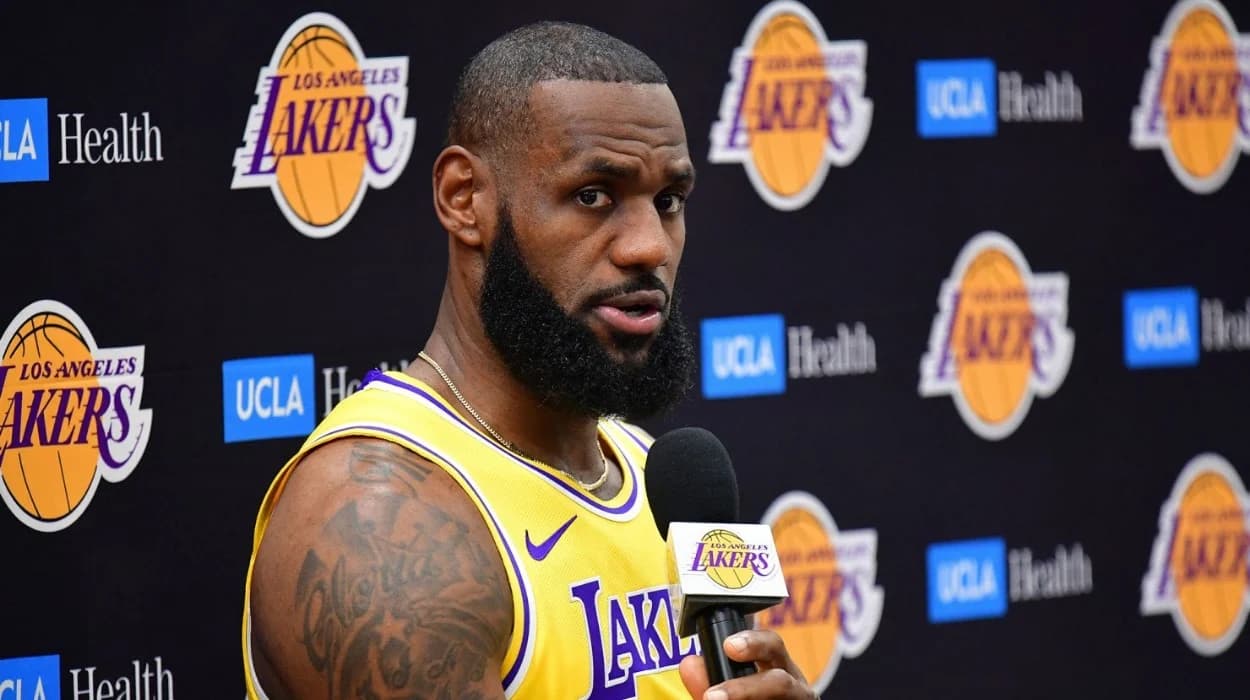
The intersection of sports and activism often reveals powerful narratives where athletes use their platforms to shed light on pressing social and political issues. Among these, the stance of certain NBA players supporting Palestine stands as a poignant example of athletes embracing their role beyond the game—to advocate for justice, human rights, and solidarity. Their expressions, symbols, and outspoken support have ignited discussions that transcend basketball, putting a global spotlight on the Palestinian cause.
The Role of Athletes in Political and Social Advocacy
Athletes hold unique influence, commanding attention not only for their physical talents but also for their voices in societal debates. Their wide-reaching platforms enable them to raise awareness about humanitarian issues that might otherwise remain marginalized. The universal language of sports can bridge divides, making advocacy by athletes particularly impactful.
Historically, sports figures have played critical roles in movements for racial equality, gender rights, and global peace. The support for Palestine among NBA players is a continuation of this tradition, where personal conviction meets public visibility.
Kyrie Irving: Symbolism and Vocal Support
One of the most prominent NBA players openly supporting Palestine is Kyrie Irving, the Australian-American guard currently playing for the Dallas Mavericks. Irving, a nine-time NBA All-Star and 2016 NBA champion, has used his platform to demonstrate solidarity through symbolic clothing and direct statements. In a notable instance during the 2023 NBA season, he wore a Palestinian keffiyeh—a traditional scarf symbolizing Palestinian resistance—during a post-game press conference. This visible act resonated widely, especially in the Middle East, and was recognized as a courageous gesture amidst a league where such stances are uncommon.
Beyond wearing the keffiyeh, Irving has been seen sporting a necklace featuring the map of Palestine alongside the Key of Return charm, a symbol connected to the Palestinian right of return. His support also includes public expressions of empathy for the Palestinian people’s suffering during periods of conflict.
Irving’s advocacy is not without controversy. He has faced criticism and accusations, including charges of antisemitism by some detractors. Nevertheless, his willingness to raise awareness about Palestinian issues in the face of such backlash demonstrates the complex landscape athletes navigate when merging sports with activism.
Other NBA Voices: Dwight Howard and Jaylen Brown
For many NBA players, speaking out on the Palestinian cause carries tangible risks. Dwight Howard, an eight-time NBA All-Star and former Houston Rockets player, stands as an example of such courage. Howard openly tweeted “Free Palestine,” a declaration that reportedly drew swift responses from NBA officials and agents urging him to retract his statement to avoid jeopardizing his career. In interviews, Howard has shared how his support nearly cost him his professional standing, underscoring the potential consequences athletes confront when voicing political opinions.
Similarly, Jaylen Brown of the Boston Celtics has been part of athlete coalitions advocating for ceasefires and justice in conflict zones, including Palestine. His involvement highlights a growing awareness and willingness among NBA stars to use their influence to address international humanitarian crises.
Why do some NBA players face penalties or backlash for pro-Palestine statements
Some NBA players face penalties or backlash for pro-Palestine statements primarily due to the complex and highly sensitive geopolitical nature of the Israel and Palestine conflict. The NBA, like many major sports leagues, maintains partnerships, sponsorships, and business interests that can be affected by political controversies, leading to pressure on players to avoid divisive statements. Additionally, pro-Palestine expressions are sometimes met with accusations of antisemitism or political bias, which can provoke strong reactions from fans, media, and organizations.
Athletes who speak out risk fines, suspensions, or damage to their professional careers because leagues often prioritize neutrality to protect commercial interests and avoid alienating segments of their audience. Moreover, the charged emotions surrounding the conflict make any public stance highly scrutinized, resulting in consequences for players who openly support Palestine despite the personal conviction behind their activism. This dynamic creates a challenging environment where sports figures must weigh their freedom of expression against potential professional risks.
The Broader Athlete Movement Supporting Palestine
NBA players are part of a larger network of sports figures who have publicly shown solidarity with Palestine across disciplines and countries. From soccer to Formula One, athletes have taken stands—often at personal and professional risk. Examples include MMA fighters, football stars, and tennis players, all converging on a shared message of justice and peace.
This wider sports activism places NBA players’ support within a global context where the worlds of sports and politics intersect. It reflects a trend where athletes assert their responsibility as global citizens, advocating for marginalized populations and peaceful resolutions.
Why Support for Palestine Resonates Among Athletes
The Palestinian struggle represents themes familiar to many athletes: resilience, resistance, and the fight for dignity against adversity. These values often resonate with players who come from diverse backgrounds, some of whom have experienced discrimination or social injustice themselves.
Moreover, the universal principles of human rights and justice inspire solidarity regardless of geographical or cultural differences. By supporting Palestine, NBA players connect with a broader movement calling for equality, humanitarian relief, and peaceful coexistence.
The Challenges and Repercussions of Advocacy
While athletes’ support for Palestine draws admiration, it is met with challenges that range from public criticism to professional censorship. The sports industry, driven by multinational sponsorships and media interests, often pressures athletes to maintain neutral public personas. Political expressions, particularly controversial ones, can provoke backlash from leagues, sponsors, and fans.
Instances like Dwight Howard’s near career jeopardy or Kyrie Irving’s social media disputes reveal the tension between personal conviction and business considerations inherent in professional sports. The risk of fines, suspensions, or diminished playing opportunities remains an ongoing concern for outspoken athletes.
The Impact of Athlete Activism on Public Awareness
Despite challenges, NBA players’ support for Palestine significantly contributes to raising global awareness. Their gestures and statements prompt media coverage, public discourse, and social media conversations that amplify Palestinian voices. This visibility can influence public opinion and pressure policymakers to consider humanitarian aspects in international relations.
Athlete activism also humanizes distant conflicts for audiences, framing geopolitical issues through personal stories and symbolic acts that resonate emotionally.
The support for Palestine by NBA players exemplifies a broader movement where athletes embrace their roles as advocates for social justice and human dignity. Through symbolic gestures, outspoken commentary, and solidarity, players like Kyrie Irving and Dwight Howard challenge the boundaries of sports activism. Their courage highlights the power of sports to amplify voices for peace and justice on a global stage.
In an era increasingly defined by social consciousness, the continued advocacy of NBA players for Palestine reaffirms the belief that sports represent more than competition—they embody the potential for meaningful change.