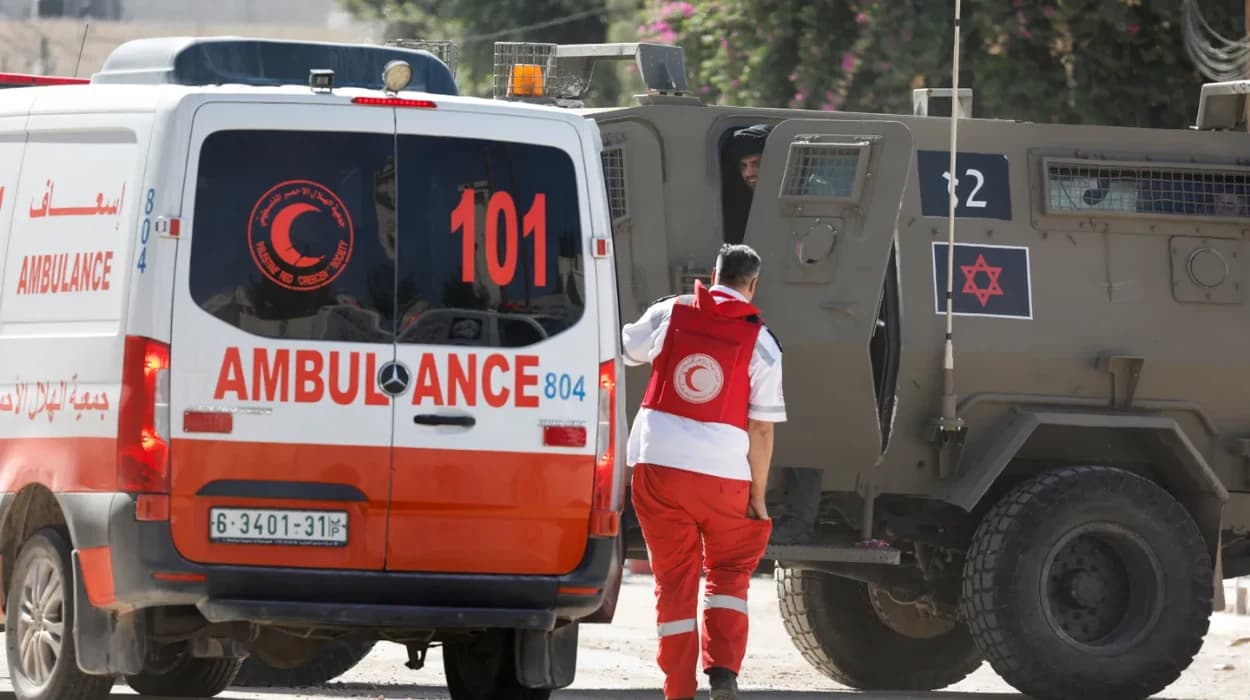
The Palestine Red Crescent Society (PRCS) has long stood as a vital humanitarian organization in Palestine. As the Palestinian branch of the International Red Cross and Red Crescent Movement, PRCS provides essential medical services, emergency aid, and social support across the Palestinian territories.
In 2025, amid the ongoing conflict in Gaza, PRCS’s role has become even more critical, facing unprecedented challenges while striving to save lives and alleviate suffering.
This article offers an in-depth look at PRCS’s efforts, the scale of aid delivered, and the risks faced by its dedicated staff during this ongoing crisis.
The Foundation and Role of PRCS in Palestine
Founded in 1968, PRCS operates across the West Bank and Gaza Strip from its headquarters in Ramallah. Its core functions include running hospitals, clinics, emergency medical services, and ambulance operations.
The society also provides shelter, psychosocial support, and coordination of humanitarian aid, often working in collaboration with the International Federation of Red Cross and Red Crescent Societies (IFRC).
In a typical year, PRCS manages a broad network of 25 clinics in Gaza, including a recently opened clinic in Gaza City in August 2025. Additionally, it runs a Women’s and Maternity Department at Al-Mawasi Field Hospital, offering prenatal, postnatal, gynecology services, and deliveries.
These facilities are vital for the local population, especially as the healthcare system struggles to cope with ongoing violence and shortages.
PRCS’s Response to the Gaza Crisis in 2025
The escalating conflict in Gaza has pushed PRCS into a state of emergency. As of mid-2025, the organization has distributed over 1.6 million emergency aid items, including food, water, hygiene kits, and medical supplies.
It has also provided nearly 900,000 health services, ranging from routine check-ups to emergency surgeries. In response to the crisis, PRCS has managed over 22,000 trucks of humanitarian aid, which are crucial for delivering supplies in a blockade-affected environment.
The organization’s field hospital in Rafah has become a critical medical hub, treating over 2,200 patients in just the last month alone, an increase compared to the entire year of 2024.
Medical teams are performing between 30 and 40 emergency surgeries daily, often treating gunshot wounds, blast injuries, and other trauma cases resulting from relentless hostilities.
The Toll on Humanitarian Workers
The ongoing conflict has taken a heavy toll on PRCS staff. Tragically, since 2023, at least 31 PRCS employees have been killed. In March 2025 alone, eight medics lost their lives in a single attack while on duty in Rafah.
These attacks highlight the extreme risks faced by humanitarian workers operating in Gaza, where violence remains intense and unpredictable.
The impact of these losses extends beyond grief. It hampers the organization’s ability to provide critical services, as experienced personnel are often targeted or injured, leaving remaining staff under immense pressure.
The safety of medical teams has become a major concern, especially as recent Israeli military operations continue to threaten aid workers’ lives.
The Humanitarian Conditions in Gaza
The humanitarian situation in Gaza is dire. As of June 2025, approximately 2 million Palestinians are suffering due to ongoing violence, displacement, and shortages of essentials.
- Many are living in overcrowded shelters, with limited access to food, clean water, sanitation, and medical supplies.
- More than half of Gaza’s population has been displaced or is living in crowded camps, exposing them to heightened risks of disease, malnutrition, and trauma.
- The crowded shelters lack basic facilities, creating a breeding ground for illnesses and further stressing the already fragile health infrastructure.
PRCS’s Medical Operations and Challenges
PRCS operates 17 medical clinics, 2 field hospitals, and 17 shelter camps, supported by 59 ambulances and 11 emergency medical service (EMS) centers.
Since aid sites opened in May 2025, PRCS’s medical teams have responded to numerous mass casualty events. Since then, they have managed over 20 significant emergencies, providing lifesaving assistance to hundreds of injured civilians.
The organization’s field hospital in Rafah has been at the forefront of treating mass casualties, with emergency procedures exceeding 1,500 since May 2025.
These procedures include surgeries, trauma care, and critical interventions for burn victims and gunshot wounds. The scale of operations reflects the severity of the conflict and the urgent need for medical intervention.
Impact of Israeli Attacks on PRCS Operations and Staff Safety
The security situation remains perilous for PRCS staff. Recent Israeli military attacks have targeted aid infrastructure and ambulance services, severely impacting their operations.
In 2025, the organization reported multiple incidents where ambulances were hit or staff were injured or killed. Alongside the eight medics killed in March, other staff have sustained injuries, and some ambulances have been damaged or destroyed.
Such attacks hinder the organization’s capacity to deliver emergency services and jeopardize the safety of humanitarian workers.
The loss of staff and ambulances has created gaps in emergency response, leaving many injured civilians without timely care during critical moments.
The Ongoing Humanitarian Crisis and PRCS’s Role
The scale of suffering in Gaza is staggering. According to recent reports, close to 50% of the population is internally displaced or living in overcrowded shelter camps.
This overcrowding, combined with ongoing violence, has worsened health and sanitation conditions, leading to outbreaks of disease and malnutrition.
PRCS continues to be a lifeline for millions, providing health care, shelter, and psychosocial support despite immense operational challenges.
Their efforts are supported by international partners, but the blockade and ongoing hostilities continue to limit aid access and delivery.
The Future Outlook for PRCS and Gaza’s People
PRCS has outlined a comprehensive emergency master plan for 2025-2027, focusing on expanding healthcare capacity, strengthening emergency response, and protecting staff and facilities.
The organization aims to continue providing lifesaving services, even as the conflict persists. However, the situation remains fragile. The risks to staff are high, and the needs of Gaza’s population continue to grow daily.
Sustained international support and efforts to end hostilities are essential to stabilize the region and enable humanitarian organizations like PRCS to operate safely and effectively.
The Palestine Red Crescent Society stands as a beacon of hope amid Gaza’s devastating crisis. Since 2023, its staff has faced extraordinary dangers, with 31 members killed in the line of duty, yet they remain committed to saving lives and providing urgent medical care.
In 2025 alone, PRCS has responded to thousands of emergencies, managed hundreds of mass casualty events, and distributed millions of aid items to a population in desperate need.
Despite the ongoing blockade, targeted attacks, and infrastructural destruction, PRCS continues to operate a vast network of clinics, ambulances, and emergency services. Their resilience and dedication exemplify the vital role of humanitarian aid in conflict zones.
Frequently Asked Questions
What is the Palestine Red Crescent Society (PRCS) and what services does it provide?
The Palestine Red Crescent Society (PRCS) is a key humanitarian organization operating in Palestine. As part of the International Red Cross and Red Crescent Movement, it provides medical services, emergency aid, and social support across the West Bank and Gaza Strip.
How has PRCS responded to the Gaza crisis in 2025?
In 2025, PRCS will be at the forefront of humanitarian efforts in Gaza. The organization has distributed over 1.6 million emergency aid items, including food, water, hygiene kits, and medical supplies.
How many PRCS staff members have been killed since the start of the ongoing conflict in 2023?
Since 2023, at least 31 PRCS staff members have been killed due to ongoing violence in Gaza. In March 2025 alone, eight medics lost their lives in a single attack while on duty. These tragic losses highlight the extreme dangers faced by humanitarian workers operating in conflict zones.
What is the current humanitarian situation in Gaza, and how many people are displaced?
As of June 2025, approximately 2 million Palestinians in Gaza are suffering from ongoing violence, displacement, and shortages of basic needs. Over half of Gaza’s population has been displaced or is living in overcrowded shelters, which increases risks of disease, malnutrition, and trauma.
What challenges does PRCS face in delivering aid and medical services in Gaza?
PRCS faces numerous challenges, including frequent attacks on its infrastructure and staff, restrictions and blockades that limit access, and ongoing violence that destroys medical facilities and hampers emergency response.
What emergency medical activities has PRCS carried out since aid sites opened in May 2025?
Since May 2025, PRCS has responded to over 20 mass casualty events, performing more than 1,500 emergency procedures including surgeries for gunshot wounds, blast injuries, and burns.
How does PRCS plan to continue its efforts amid the ongoing crisis?
PRCS has developed an emergency master plan for 2025-2027 focused on expanding healthcare capacity, strengthening emergency response, and protecting staff and facilities.