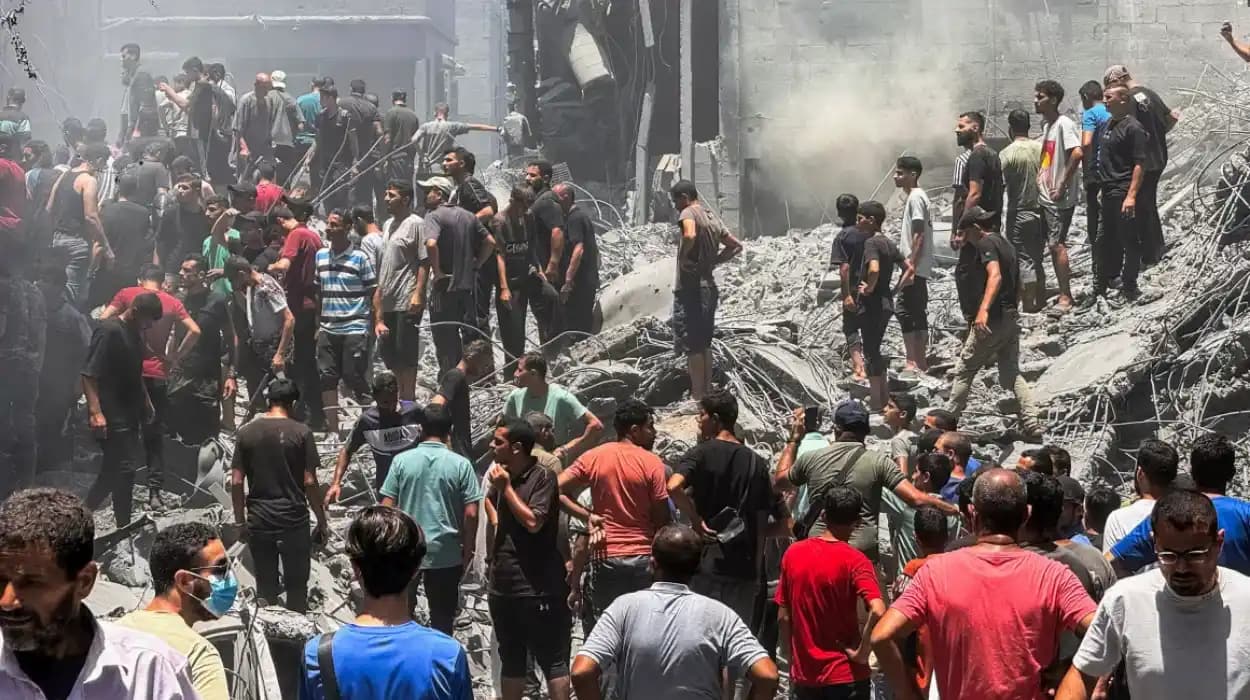
The cumulative fatalities among Palestinians in the protracted Israeli-Palestinian conflict since the early 2000s represent a profound human tragedy that underscores ongoing cycles of violence and loss. These figures, drawn from meticulous tracking by international observers, highlight the disproportionate impact on civilian populations amid escalations involving military operations, uprisings, and clashes.
Grasping the scale of these losses provides essential context for understanding the enduring challenges of peacebuilding and humanitarian response in the region.
Historical Context of Casualties
The surge in Palestinian deaths traces back to the onset of the Second Intifada around 2000, a period marked by intensified confrontations. United Nations data reveals thousands of lives lost in the initial years, with civilians comprising a significant portion due to urban combat and security operations.
Over decades, patterns of fatalities have fluctuated with major flare-ups, including Gaza conflicts and West Bank incursions, where access to medical care often compounded indirect deaths.
Global bodies like the UN Office for the Coordination of Humanitarian Affairs (OCHA) document how these tolls reflect broader asymmetries in conflict dynamics. For instance, Palestinian casualties frequently outnumber those on the other side by wide margins, influenced by factors such as population density and tactical engagements.
Breakdown by Demographics and Regions
Children and non-combatants bear a heavy burden in these statistics. Reports indicate that over 2,000 Palestinian children have perished since 2000, often in densely populated areas like Gaza where airstrikes and ground operations occur. Adults, including militants and civilians, account for the majority, with Gaza Strip incidents driving higher numbers due to repeated blockades and border clashes.
In the West Bank, fatalities stem more from raids, checkpoints, and settler-related violence, while Gaza sees concentrated losses from rocket exchanges and large-scale assaults. OCHA notes injuries exceeding 100,000 Palestinians, straining healthcare systems already overburdened by conflict.
Factors Driving the Death Toll
Several elements contribute to the persistent rise in Palestinian fatalities. Military asymmetries play a key role, with advanced weaponry contrasting asymmetric tactics like rocketry or uprisings. Internal Palestinian violence, including factional clashes, has also claimed hundreds, particularly in Gaza, diverting resources from unified resistance.
Terrain and infrastructure exacerbate risks: urban Gaza's tight confines amplify civilian exposure, while West Bank barriers limit evacuation. The World Health Organization underscores how conflict disrupts essential services, leading to indirect deaths from untreated wounds or malnutrition.
International Monitoring and Data Challenges
Reputable organizations like the UN and B'Tselem maintain timelines and databases to verify casualties, cross-referencing hospital records, eyewitness accounts, and media. These efforts aim for transparency, though discrepancies arise from fog-of-war reporting or unrecovered bodies. Despite challenges, consensus figures from OCHA and others tally over 9,500 direct Palestinian deaths from cross-side
violence since 2000, excluding internal tolls. Such monitoring informs humanitarian aid allocation by bodies like the UN Relief and Works Agency (UNRWA).
Humanitarian and Economic Ramifications
The human cost extends beyond deaths to displacement and trauma. The UN estimates millions affected by recurrent crises, with Gaza's population facing chronic poverty rates above 50% as per World Bank assessments of conflict zones. Healthcare collapse during escalations leaves survivors with lifelong disabilities, while education interruptions perpetuate cycles of disadvantage.
Economically, reconstruction lags: IMF analyses of fragile states highlight how violence erodes GDP by double digits annually in affected areas. Families grapple with orphanhood and breadwinner losses, deepening reliance on international aid.
Comparative Casualty Perspectives
Contrasting totals reveal stark disparities: while Palestinian fatalities surpass 9,500 from opposing actions since 2000, Israeli losses number around 1,250 in the same span. Children show similar imbalances, with over 2,100 Palestinian minors versus 130 Israeli. These ratios fuel debates on proportionality, though each side emphasizes self-defense imperatives.
OCHA charts illustrate yearly spikes tied to operations like Cast Lead or Protective Edge, where Gaza deaths peaked dramatically.
Efforts Toward Mitigation and Accountability
International calls for ceasefires and investigations persist through UN resolutions and Human Rights Council probes. The International Criminal Court examines alleged war crimes, seeking accountability for excessive force or indiscriminate attacks. Grassroots and NGO initiatives, including Visualizing Palestine's timelines, visualize data to advocate for de-escalation. UNESCO stresses preserving cultural sites amid destruction, as conflict erodes heritage.
Role of Global Diplomacy
Diplomatic frameworks like the Oslo Accords aimed to curb violence, yet breakdowns have sustained high tolls. The World Economic Forum notes stalled talks exacerbate humanitarian crises, urging renewed multilateral engagement. Aid from OECD nations supports palliative measures, but root resolutions remain elusive.
Psychological and Societal Scars
Survivors endure profound mental health burdens, with WHO reporting elevated PTSD rates in conflict zones exceeding 30%. Generational trauma shapes identities, hindering reconciliation as per UN psychological studies. Community resilience builds through local NGOs, yet sustained violence undermines trust in governance.
Pathways to Reducing Future Losses
Halting escalations demands confidence-building steps: ceasefires, aid access, and settlement freezes. UN-backed truces have periodically lowered deaths, proving efficacy. Long-term, economic integration via World Bank models could foster stability.
Education on conflict resolution, as promoted by UNESCO, equips youth for peace.
The extensive record of Palestinian fatalities since 2000 surpassing 9,500 from direct conflict embodies a humanitarian imperative demanding urgent attention. Addressing root causes through diplomacy, accountability, and aid offers hope for diminishing this toll, fostering a future where lives are safeguarded on all sides.