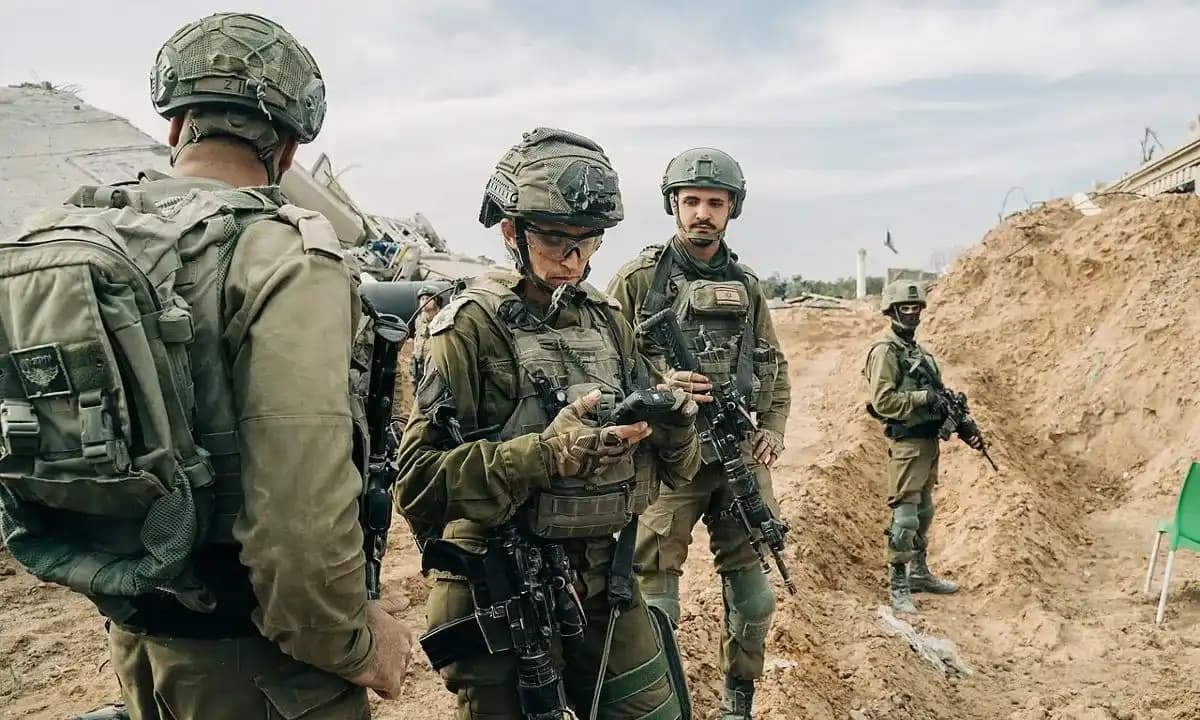
Military engagements in Gaza have exacted a heavy toll on Israeli forces, with hundreds of soldiers lost in ground operations amid urban combat challenges. Official tallies reflect the intensity of close-quarters fighting, where fortifications and ambushes elevate risks.
Evolution of Ground Operations
Israeli ground incursions into Gaza involve infantry, armor, and air support navigating dense urban terrain. Casualties spike during building clears and tunnel raids, where militants employ IEDs and RPGs. UN reports highlight urban warfare's lethality, with soldier deaths often 3-5 times higher than conventional battles due to proximity.
Operations target command nodes, yet booby-trapped structures claim lives. Patterns show clustering around Rafah and northern pockets, per military briefings.
Official IDF Casualty Figures
The Israel Defense Forces report approximately 454 soldiers killed since ground operations began, alongside thousands wounded. This includes fatalities from direct combat, accidents, and initial border clashes. WHO data on conflict injuries notes blast trauma dominates, complicating long-term recovery.
Breakdowns reveal reservists bearing much burden, with over 60% of losses in maneuver phases. Senior officers, including colonels, feature prominently, underscoring tactical demands.
Breakdown by Combat Phase
Early phases post-October 2023 saw rapid advances with armored losses to anti-tank fire. Mid-stage tunnel hunts elevated infantry risks, claiming dozens monthly. Later stalemates in hold phases reduced pace but sustained ambushes.
Aerial and artillery mitigate some threats, yet house-to-house fighting remains deadliest. OECD conflict studies parallel this to asymmetric urban wars, where defenders hold edges.
Wounded and Long-Term Impacts
For every fatality, roughly 6-7 soldiers sustain injuries, totaling over 2,800 cases. Many involve shrapnel, burns, and PTSD, straining medical systems. IMF analyses of war economies note rehabilitation costs rivaling operational budgets.
Reservist mobilizations amplify societal strain, with suicides rising among veterans per patterns. WEF health metrics emphasize mental health's overlooked toll.
Factors Driving Elevated Casualties
Heavily fortified Hamas positions, including 500+ km of tunnels, force close assaults. Intelligence gaps lead to traps, while drones target vehicles. UNCTAD logistics reports underscore supply line vulnerabilities amplifying risks.
Urban density limits standoff weapons, compelling entries. Weather and fatigue compound errors in prolonged ops.
Comparative Historical Context
Gaza incursions mirror past operations like Protective Edge, where dozens fell over weeks. Cumulative tolls exceed prior rounds due to scope and duration. World Bank conflict data shows modern wars' asymmetry favors entrenched foes.
Lebanon 2006 parallels offer lessons: rushed advances cost lives without decisive gains.
Medical Evacuation and Preparedness
IDF's golden hour evac protocols save lives, with helicopters and armored ambulances key. Field hospitals handle surges, yet overloads occur. UNESCO education impacts note training's role in survival rates.
Innovations like exoskeletons and AI spotters aim to reduce future losses.
Societal and Political Ramifications
Each loss prompts national mourning, with names etched in memorials. Public discourse weighs costs against objectives, per media patterns. IMF fiscal studies highlight defense spending's GDP drag amid recoveries.
Families receive lifelong support, yet grief reshapes politics.
Intelligence and Technological Responses
Post-loss reviews drive drone swarms and robot dogs for hazard scouting. Cyber ops disrupt militant C2, indirectly saving troops. WEF tech forums praise adaptive militaries' edge.
Yet human elements persist, limiting full automation.
Training Adaptations Post-Casualties
Expanded urban sims and VR drills address gaps, focusing on booby-trap detection. Unit rotations prevent burnout. OECD training benchmarks show Israel's regimen among world's elite.
Lessons integrate rapidly, curbing escalation.
International Perspectives and Scrutiny
Global watchdogs verify figures via open sources, noting consistencies. Humanitarian orgs contextualize within civilian tolls exceeding 60,000. UN human rights frameworks urge minimizations.
Diplomatic pressures tie losses to ceasefire calls.
Memorialization and Legacy
Fallen soldiers' stories humanize stats, from paratroopers to engineers. Annual commemorations foster resilience. WHO mental health data stresses communal healing's importance.
Their sacrifices shape doctrine enduringly.
Future Operational Shifts
Trends favor precision munitions and proxies to spare lives. AI targeting evolves amid ethics debates. World Bank reconstruction views hinge on de-escalation.
Sustained vigilance defines post-conflict readiness.
Israeli soldier losses in Gaza underscore urban warfare's brutal arithmetic, informing strategies for minimal future costs. Broader peace efforts promise relief for all combatants.