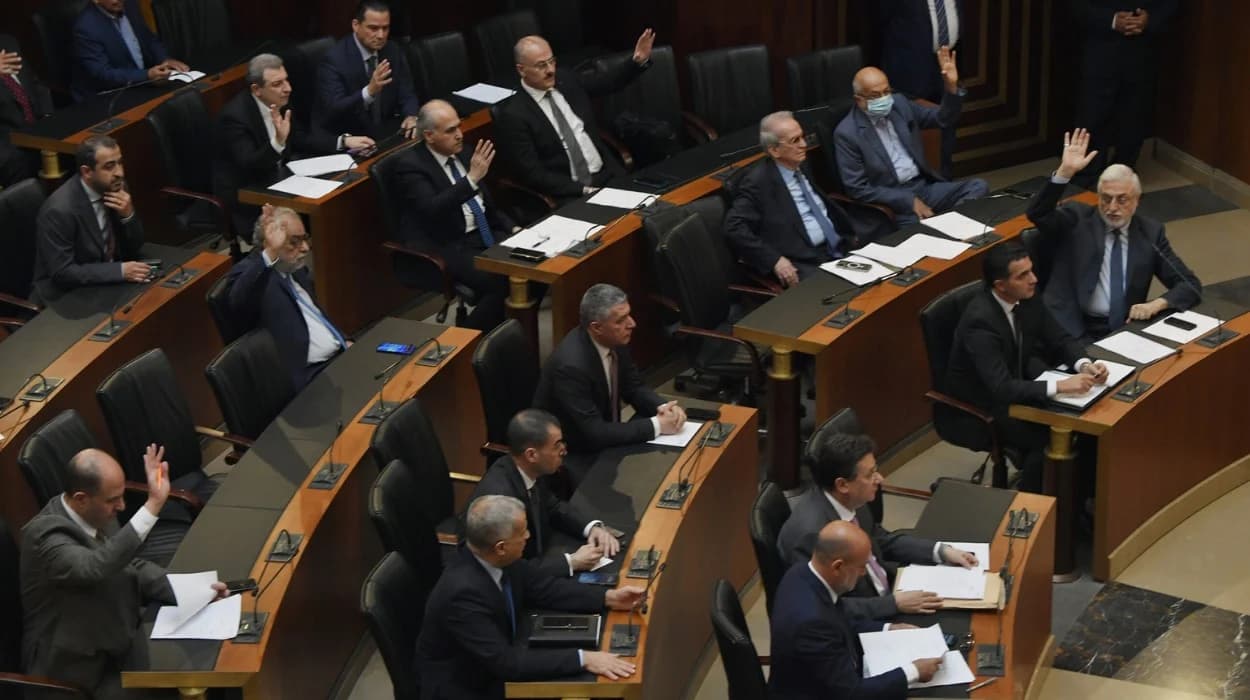
Lebanon’s municipal governance faces significant political, economic, and structural challenges, including delayed elections, fragmented local councils, and limited fiscal capacity. Local development programs struggle amid these governance issues and recurrent crises, impacting service delivery and community resilience.
Political Challenges in Lebanon's Municipal Governance
Lebanon’s municipal governance system remains mired in persistent political obstacles, deeply shaped by the country’s complex sectarian power dynamics and entrenched political patronage networks. As reported by Zeina Sami El-Helou of the Lebanese Center for Policy Studies (LCPS), the postponement of municipal elections, most recently extended until May 31, 2025, exemplifies the reluctance of the political elite to relinquish control over local power structures. The repeated delays—officially attributed to financial, administrative, and security concerns—are widely perceived as political manoeuvres to avoid electoral shocks amid widespread public dissatisfaction rooted in the country’s ongoing economic collapse since 2019.
Lebanon historically holds municipal elections infrequently; only six rounds have occurred in the past 72 years. This long pattern of deferral undermines democratic processes at the local level and erodes citizens’ trust in governance institutions. The postponement cycle also reflects fears among dominant parties of losing local influence, which in turn hampers reforms designed to decentralise governance and improve accountability. The continuous malfunction of central government institutions has increased reliance on municipalities to fill governance gaps, yet many municipalities lack the autonomy and resources needed to meet growing demands.
Fragmentation and Inefficiency in Municipal Governance
Lebanon’s municipal landscape is composed of over 1,000 local councils—many of which are too small or under-resourced to operate effectively. This fragmentation is a root cause of inefficiency and duplication, making coordinated development planning difficult. Mona Harb and Sami Atallah of LCPS emphasized in their 2015 report on decentralisation that the country’s dense municipal structure exacerbates corruption and weakens service delivery. Their research advocates for regional federations to better manage resources and planning, but such structural changes remain controversial due to entrenched local patronage networks resisting reforms.
Financial weakness is another crippling problem. Municipalities have limited fiscal capacity and struggle to collect taxes effectively. While theoretically entitled to various fees and taxes, many face delays in receiving transfers from the central government, complicating financial planning and operational stability. Experts suggest reforms including granting municipalities the ability to set tax levels independently, modernising financial management, and enhancing transparency through digital systems like Geographic Information System (GIS) mapping to track tax collection.
Electoral Challenges and Citizen Engagement
The 2025 municipal elections, the first since 2016, spotlight ongoing electoral and governance challenges. According to reporting by the Lebanese Center for Policy Studies and media outlets, voter apathy and irregularities plagued the process, compounded by insecurity at polling stations, such as incidents of violence in Safira town. Electoral contests are often determined by family ties and patronage rather than policy or vision. Candidates frequently campaign with unrealistic promises, such as providing solar power to all homes, despite municipalities lacking the capacity or funds to deliver such services.
Despite these challenges, municipal elections remain crucial opportunities for citizens to engage with governance closer to their communities compared to national elections. In war-affected districts like Tyre, local political discourse revolves around post-conflict recovery and basic service provision, highlighting the direct impact of municipal governance on vulnerable populations.
Impact of Crises on Local Development Programs
Lebanon’s compounded crises—including the Syrian refugee influx, economic meltdown, political deadlock, and the COVID-19 pandemic—have severely strained local governance capacities and development programs. UN-Habitat and UNDP’s Municipal Empowerment and Resilience Project (MERP) exemplifies international efforts to support municipalities by enhancing their ability to design projects that meet community needs, including basic services and local economic development. These projects are funded through mechanisms like the European Union’s Madad Fund and are geared to be inclusive and sustainable, reaching municipalities with limited capacity through training and coaching.
Such initiatives reflect a growing recognition that local authorities must be empowered to respond to local needs, especially for vulnerable groups such as refugees. However, ongoing funding delays from the national government and political interference undermine consistent delivery of services. As municipalities assume roles traditionally managed by central authorities, international donors increasingly channel aid directly through local governments, elevating their importance as sites of political practice and social resilience despite their limitations.
Municipalities as Catalysts for Inclusive and Resilient Development
Programs supported by international partners are introducing innovative approaches to strengthen local governance resilience. For example, SALAR International’s Reslog project in Akkar governorate focuses on enhancing service provision tailored to local needs, promoting coexistence between refugees and host communities, and fostering local economic development with a green growth orientation. Activities include municipal digital transformation, establishing crisis management units, and promoting livelihood opportunities particularly for women.
Additionally, local initiatives such as the healthcare improvement project in Deir Qanoun el Nahr demonstrate how municipality-led development can address critical gaps in services like healthcare, which have been inadequate due to economic decline and infrastructure scarcity. Such successes highlight the potential for locally managed projects to directly improve quality of life, even amid broader governance challenges.
The Way Forward: Reform and Decentralisation
Experts and reform advocates emphasise the urgent need for comprehensive reforms to Lebanon’s municipal governance system to foster greater fiscal autonomy, transparency, and citizen participation. Reforming electoral laws, modernising municipal taxation, and establishing mechanisms for citizen oversight are key components of this agenda. Transparency International Lebanon and LCPS argue that strengthening municipal institutions is imperative for sustainable recovery and democratic consolidation in Lebanon’s fraught political landscape.
However, deep-rooted political interests continue to hamper efforts, reinforcing the status quo that limits the potential of local governance as engines of development and democracy. The municipal elections of 2025 reflect both the persistent challenges and the cautious hopes for incremental change as Lebanon navigates its multiple crises.