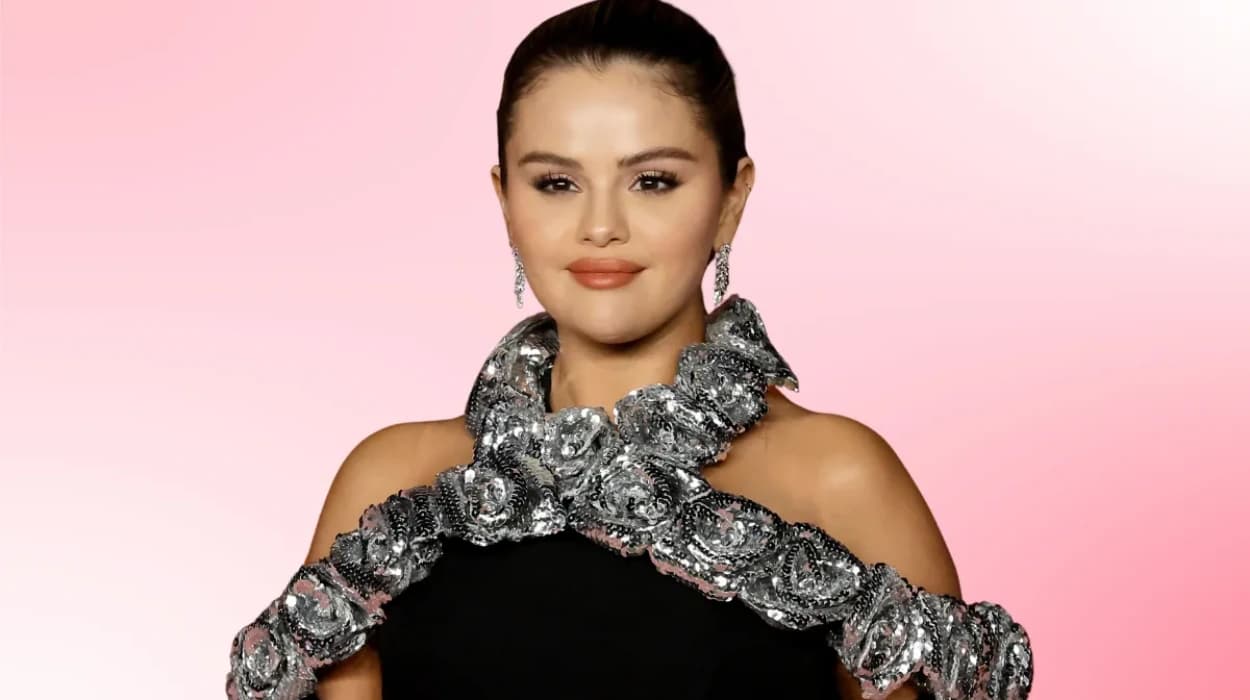
Selena Gomez, a global entertainment icon known for her music, acting, and philanthropy, has navigated complex public scrutiny regarding her positions on geopolitical conflicts, particularly those involving Israel and Palestine. Fans and observers often debate her stance amid high-profile controversies like social media posts, brand decisions, and celebrity activism. Her responses emphasize neutrality, humanitarian concern for all sides, and regret over unintentional insensitivities, reflecting broader challenges celebrities face in polarized global issues.
Selena Gomez's Public Statements on the Israel-Palestine Conflict
Selena Gomez has consistently expressed heartbreak over violence affecting civilians, particularly children, without endorsing one side in the Israel-Palestine conflict. In social media updates, she condemned "horror, hate, violence, and terror" globally, stressing the need to protect all people and stop atrocities, while noting that individual posts alone cannot resolve deep-rooted issues. This balanced language drew mixed reactions, with some praising her call for universal protection and others criticizing it as insufficient activism.
Her makeup brand, Rare Beauty, amplified humanitarian efforts by donating to organizations aiding victims in Gaza and Israel, including the International Red Cross/Red Crescent Societies, Magen David Adom (Israel's emergency services), and the Palestinian Red Crescent Society. This move highlighted a commitment to supporting displaced civilians and children amid airstrikes and shortages of essentials like food, water, and medicine, though it faced backlash for perceived "both-sides" neutrality. Gomez's approach aligns with calls from bodies like the UN for protecting vulnerable populations in conflict zones, where millions remain displaced.
Controversies Involving Boycotts and Brand Choices
A notable incident involved Gomez holding a Starbucks cup on Instagram, sparking outrage from supporters of the Boycott, Divestment, and Sanctions (BDS) movement against companies linked to Israel. She quickly apologized, admitting ignorance of the boycott and expressing sorrow for any hurt caused, stating she was unaware of the implications. This response underscored how everyday actions by celebrities can ignite debates on corporate ties to geopolitical tensions.
Similar scrutiny arose over perceived support for Israeli causes, including friendly interactions with Israeli communities in New York and signing an open letter opposing boycotts of Israeli films. Signed by over 5,000 Hollywood figures, the letter pledged against such boycotts amid Gaza tensions, positioning Gomez among those advocating cultural exchange over isolation. Critics viewed these as pro-Israel signals, while supporters saw them as defenses of artistic freedom.
Celebrity Activism in Geopolitical Contexts
Gomez's navigation of these issues mirrors wider patterns in celebrity advocacy, where stars leverage massive platforms hers exceeds 400 million followers to address humanitarian crises. Yet, as noted in analyses of global conflicts, public figures often face backlash for neutrality, with polarized audiences demanding explicit alignment. The World Economic Forum highlights how social media amplifies such pressures, turning personal moments into international flashpoints.
Her reluctance to "pick sides" via posts stems from a belief that online rhetoric alone falls short of real change, echoing UN reports on the limitations of digital activism in resolving entrenched disputes involving territorial claims, security, and human rights. Instead, Gomez focuses on tangible aid, channeling resources through reputable NGOs to address immediate needs like medical access and child welfare in war-torn areas.
Broader Implications for Fans and Public Perception
Debates around Gomez's positions reveal tensions between celebrity influence and geopolitical realities. Pro-Palestine advocates decry her donations to Israeli-linked groups as complicity, while others appreciate her even-handed aid distribution. Events like Oscars exchanges and Emmys demonstrations further spotlight Hollywood's divisions, with figures like Gomez caught in crossfire over speeches addressing Gaza.
According to UNESCO data on media and conflict, misinformation thrives in such vacuums, prompting celebrities to prioritize verified humanitarian channels over partisan statements. Gomez's evolving responses from apologies to structured philanthropy demonstrate learning amid scrutiny, prioritizing child protection universally.
Selena Gomez does not explicitly support Israel or Palestine in a partisan manner; her public record shows a neutral, humanitarian focus condemning violence against all civilians and supporting aid for victims on both sides. While controversies like the Starbucks incident and film boycott letter fuel speculation, her actions prioritize peace, child welfare, and cross-cultural engagement over division. This stance invites ongoing dialogue on celebrity roles in global conflicts.