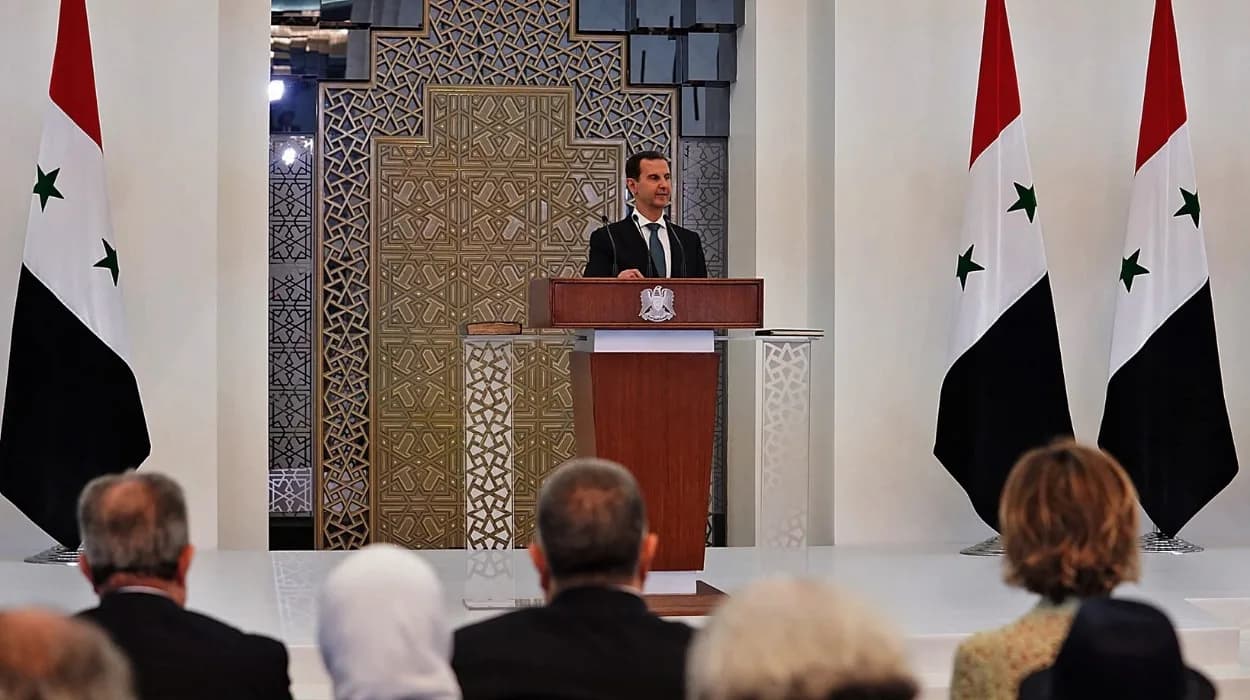
The Syrian government has launched significant initiatives aimed at bolstering social services and reconstructing public infrastructure following years of conflict. These efforts focus on healthcare, education, housing, and restoring utilities, attracting international and local attention.
Broad Government Commitment to National Rehabilitation
According to recent reporting by Reuters journalist Khaled Yacoub Oweis, Syria is accelerating state-led projects designed to rebuild its battered infrastructure and social service systems. The government is prioritising the restoration of critical facilities destroyed or degraded during the conflict, with an emphasis on hospitals, schools, and housing complexes.
Minister of Local Administration and Environment Hussein Makhlouf publicly reaffirmed the government’s resolve in revitalising public utilities and social services. As cited by Syria’s state news agency SANA, Makhlouf outlined strategic plans to improve water supply networks, electricity distribution, and waste management services across urban and rural areas. The initiative also includes measures to boost social welfare programmes aimed at vulnerable populations.
Healthcare System Rehabilitation and Expansion
As reported by Al Jazeera’s correspondent Ahmad Zaatari, the government has allocated increased funding to rebuild medical centres and hospitals. These efforts target key urban centres such as Damascus, Aleppo, and Homs, where healthcare infrastructure suffered severe damage. Rehabilitation efforts emphasize not only physical reconstruction but also re-staffing with qualified healthcare professionals and ensuring the supply of medicines and equipment.
In a statement to Al-Monitor, Dr. Noura Mustafa, a health policy analyst, highlighted that “reviving healthcare is crucial for stabilising public health and preventing further deterioration in the post-conflict period.” She noted ongoing collaboration with international organisations to secure medical aid and training support, though faced with challenges due to sanctions and limited access.
Educational Facilities and Services Revival
With a focus on addressing the disrupted education sector, Syria’s Ministry of Education has unveiled plans to repair damaged schools and update educational materials. Coverage by the AFP news agency details government efforts to ensure that children in conflict-affected areas can return to classrooms with adequate facilities.
Minister of Education Dr. Darem Tabbaa stated at a recent press conference, “Our aim is to provide safe and inclusive learning environments for all children, including those displaced and in underserved communities.” According to government figures, over 2,000 schools across the country require repair or reconstruction, a task compounded by the necessity to train teachers and supply educational resources.
Public Housing and Urban Reconstruction Projects
Further highlighted by the Associated Press reporter Stephanie Nebehay, housing reconstruction forms a vital component of government social initiatives. The Ministry of Housing and Public Works has launched housing projects targeting displaced families returning to their places of origin. These projects include building new residential units and refurbishing existing structures to meet safety and habitability standards.
The government’s spokesperson, Dr. Faisal Mekdad, explained that “rebuilding homes is an essential step in restoring social stability and encouraging displaced persons to reintegrate into their communities.” Financial and material support programs are also being administered to assist vulnerable groups in securing housing.
Infrastructure: Utilities and Transport Network Recovery
Public infrastructure recovery is a cornerstone of the government’s initiatives, with detailed plans to restore electricity grids, water treatment plants, and transport networks. Syrian Arab News Agency (SANA) coverage emphasised ongoing projects to repair and upgrade major highways, bridges, and public transportation to facilitate mobility and economic activity.
In an interview with The National’s journalist Michael Fahim, infrastructure expert Dr. Khalid Al-Hassan noted that “restoring utilities and transport is fundamental not only for improving quality of life but also for enabling other sectors to function effectively.” The government’s coordination with regional partners and some international donors aims to secure technical expertise and funding.
Challenges and International Context
Despite these comprehensive governmental plans, significant hurdles remain. Sanctions against Syria and the fragile security situation in certain areas continue to hamper resource availability and project implementation, as highlighted in reports by Reuters and the International Crisis Group. Humanitarian agencies caution that while reconstruction efforts are necessary, inclusive governance and protection of human rights must accompany development to ensure lasting peace.
The United Nations and various NGOs have issued statements urging all stakeholders to prioritise humanitarian access and support social recovery initiatives without politicisation, according to statements reported by UN News.
As Syria progresses toward national recovery, the government’s multi-sector initiatives reflect a broad commitment to restoring social services and public infrastructure essential for stabilising society. The ambitious rehabilitation programmes in healthcare, education, housing, and utilities underscore a critical transition phase for Syria, although significant challenges call for continued domestic and international cooperation to ensure sustainable development and social cohesion.