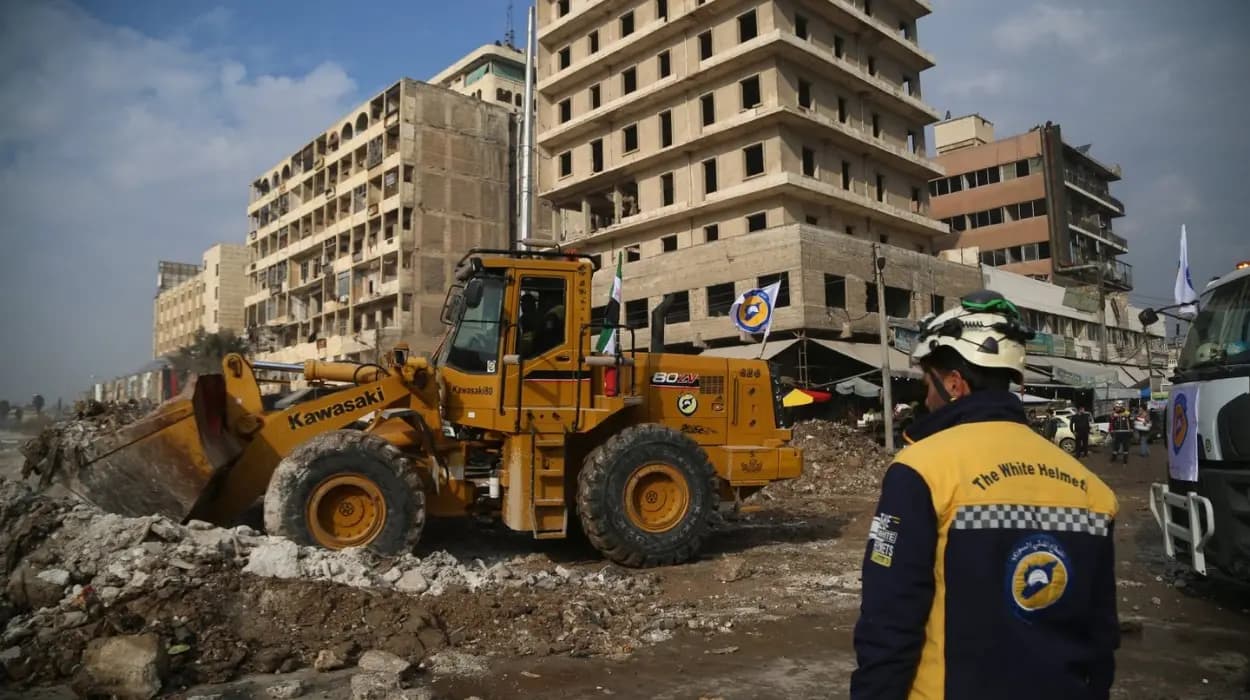
Syria stands at a critical juncture after more than a decade of devastating civil conflict, its path toward reconstruction tied closely to the nation’s prospects for sustained peace and economic stability. The reconstruction of Syria is among the most complex and monumental recovery efforts in recent history, with the damage inflicted on infrastructure, housing, and key sectors estimated at hundreds of billions of dollars. The intricate interplay of political, economic, and social factors shapes Syria’s reconstruction ambitions, which aim not only to physically rebuild but also to lay the foundation for future economic development and stability. This article explores Syria’s reconstruction plans, the economic strategies shaping its future, and the multifaceted challenges facing the nation’s rebirth.
The Scale and Nature of Syria’s Reconstruction Needs
The destruction wrought by conflict has inflicted unparalleled damage, with estimates of reconstruction costs ranging from $250 billion to upwards of $400 billion, and some projections even exceeding $800 billion depending on the scope considered. Housing accounts for nearly 60% of the needs, reflecting extensive urban devastation. In addition to rebuilding homes, the comprehensive plan includes infrastructure rehabilitation such as roads, electricity grids, water and sanitation systems, and educational and health facilities. Given the vast scope, rebuilding Syria extends beyond construction to involve restoring public services and reviving the private sector to reignite economic activity.
International donors have pledged billions to Syria’s reconstruction, with recent conferences, including the 2025 Brussels Conference, securing approximately $6.5 billion in combined grants and loans. However, these funds pale relative to Syria’s overall needs, signaling a protracted recovery that may span 15 to 20 years under traditional pacing. The World Bank projects modest GDP growth, constrained by ongoing regional instability and structural hurdles, underscoring the necessity for carefully balanced reconstruction and development strategies.
Political and Governance Challenges
Political stability and governance are pivotal to unlocking reconstruction funds and sustaining economic development. Syria’s governance landscape remains fragmented, and the country faces ongoing sanctions and legal uncertainties that complicate international funding and investment. Notably, property laws, such as Law No. 10 enacted in 2018, have generated debate concerning property rights and investor confidence. Inclusive political transitions and governance reforms are widely recognized as prerequisites for attracting the diaspora’s capital and broader foreign investment.
Corruption and weak institutional frameworks remain significant impediments to effective reconstruction management. Calls for transparency, anti-corruption measures, and judicial reform form key components of donor conditions. The Syrian government has announced initiatives aimed at restructuring oversight institutions and enhancing accountability in reconstruction contracts to build trust and ensure efficient project delivery.
International and Regional Support Dynamics
Syria’s reconstruction effort is anchored by a mixture of international aid, regional engagement, and domestic initiatives. The European Union has pledged substantial development aid targeting sectors such as energy, education, and health, alongside financial commitments totaling billions toward Syria and neighboring refugee-hosting countries. Regional actors including Gulf Cooperation Council (GCC) states have also shown renewed interest, with Saudi Arabia and Qatar notably paying down Syrian debts to the World Bank to enable access to international financing mechanisms.
Multilateral organizations like the United Nations Development Programme (UNDP) plan to contribute over $1 billion in targeted recovery projects focused on infrastructure rehabilitation, essential service restoration, and facilitating refugee returns. The World Bank’s recent financing of electricity sector rehabilitation represents a crucial step in stabilizing Syria’s energy infrastructure, critical for both human welfare and industrial activity.
Economic Development Strategies for Stability
Reconstruction alone, however, does not guarantee economic stability. Syria’s long-term recovery hinges on integrating economic development strategies that foster diversified growth, employment, and social cohesion. One major thrust is a phased, localized approach emphasizing incremental infrastructure improvements coupled with domestic private sector revival. Community-funded projects, tax reforms, and competitive regional development zones aim to nurture internal economic engines capable of generating jobs and restoring wages.
Revitalizing trade is another priority, dependent on reopening key trade routes, ports, and airports, and ensuring legal and financial systems support predictable business operations. This involves harmonizing regulatory frameworks and facilitating banking services to encourage both domestic and foreign investment.
Labor market restoration focuses on absorbing returning refugees and internally displaced persons, aiming to alleviate demographic pressures and reduce unemployment. Social safety nets and targeted programs address vulnerable groups, aiming to improve socio-economic inclusion and mitigate poverty, now widespread with nearly 90% of Syrians living below the poverty line.
Challenges to Progress and Risk Mitigation
Despite these promising frameworks, hurdles remain substantial. Security concerns and ongoing fragmentation pose persistent risks to investor confidence and the continuity of development efforts. The multiplicity of aid actors and donors requires coordinated strategies and governance to avoid past mistakes witnessed in other post-conflict contexts, where poor coordination led to inefficiencies.
Sanctions relief and international legitimacy are tightly linked. Donor nations have conditioned significant funding on transparent governance and progress toward political inclusivity, looking to avoid supporting entities tied to abuses or corruption. This conditionality complicates swift disbursement of funds but is viewed as essential for sustainable recovery.
An effective reconstruction strategy also depends on managing social contracts—rebuilding trust between the state and citizens—through inclusive politics and assurances of legal protections. This social dimension of reconstruction is as critical as the physical rebuilding of cities and infrastructure.
Syria’s Path Forward: Key Drivers of Reconstruction Success
The success of Syria’s reconstruction and economic stabilization will rest on three interdependent factors:
- Securing Adequate and Sustainable Funding: While international aid and regional contributions form a backbone, mobilizing private investment and diaspora resources will be vital to scaling recovery. Funding structured with clear milestones and performance conditions increases accountability and effectiveness.
- Strengthening Governance and Institutional Capacity: Transparent procurement, judicial reforms, and anti-corruption measures improve project implementation and foster trust. A centralized, Syrian-led reconstruction framework could unify donor efforts and align priorities with national goals.
- Ensuring Political Inclusivity and Social Cohesion: A broad-based political transition that incorporates diverse social and ethnic groups is critical to legitimacy and long-term peace. Property rights protections and inclusive dialogues help rebuild the social contracts destroyed by conflict.
By focusing on these pillars, Syria may transform its reconstruction efforts from isolated projects to integrated development, fostering pathways for economic resilience and social stability.
Syria’s reconstruction is an enormous undertaking that requires more than physical rebuilding. It demands a holistic approach that integrates political reform, economic revitalization, and social inclusion. Though the challenges are daunting, coordinated international support, regional engagement, and a clear, phased strategy anchored in governance reforms and economic diversification provide a viable map forward. The nation’s future stability hinges on sustained commitment to transparency, inclusivity, and pragmatic investment in infrastructure and human capital. As Syria navigates this complex journey, a careful balance of rebuilding the present and designing a resilient economic future will be essential to overcoming decades of conflict and setting foundations for peace and prosperity.