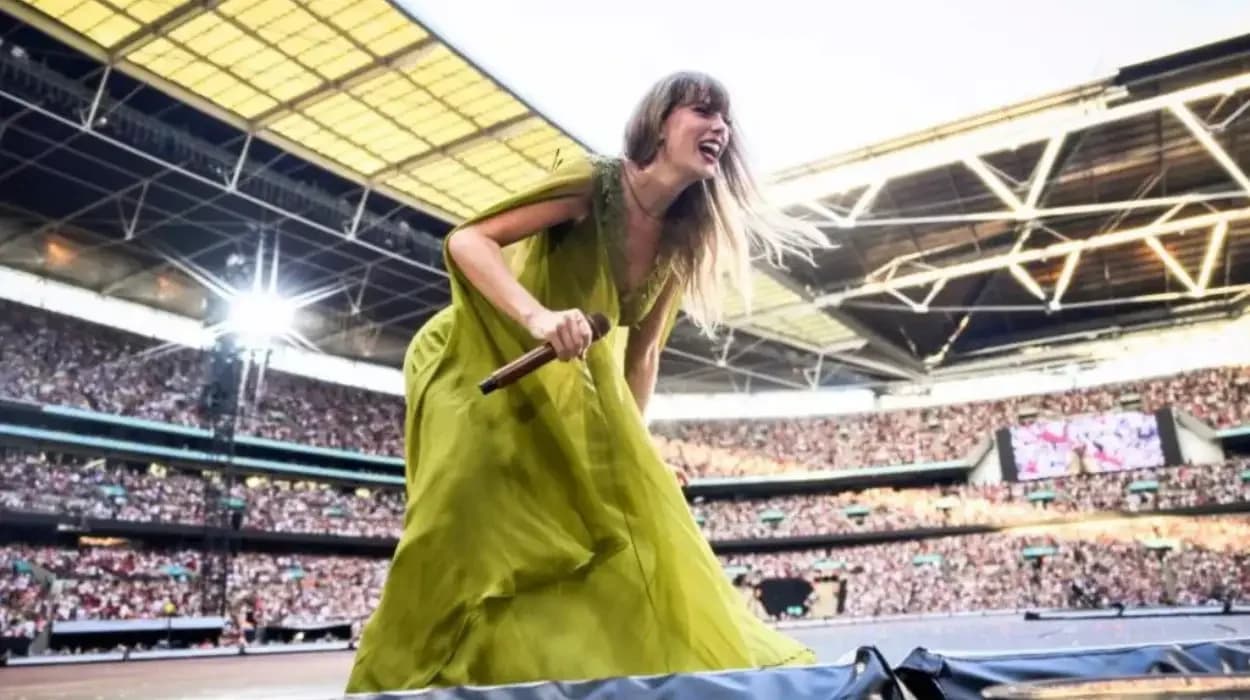
Taylor Swift, one of the most influential artists globally with a fanbase exceeding hundreds of millions, faces persistent questions about her positions on the Israel-Gaza conflict. Amid fan campaigns like #SwiftiesForPalestine and broader social media pressures, her consistent silence on endorsing either side has fueled debates about celebrity responsibility in humanitarian crises. This neutrality contrasts with peers who have voiced explicit support, highlighting the challenges of navigating polarized geopolitical issues in the public eye.
Taylor Swift's Silence Amid Fan Activism
Swift has refrained from public statements aligning with Gaza or Israel, even as hashtags such as #SwiftiesForPalestine trend with calls for her to condemn violence or advocate ceasefires. Fans have mobilized during her Eras Tour, exchanging friendship bracelets emblazoned with pro-Palestine messages, painting watermelons (symbolizing Palestinian colors) on hands alongside her lucky number 13, and displaying signs demanding "Swift Action." This grassroots activism underscores how supporters leverage her platform to amplify awareness of civilian suffering in conflict zones.
The #Blockout2024 movement amplified scrutiny, urging users to block silent celebrities, leading to reported follower losses for Swift. Open letters circulated on social media implore her to address what petitioners describe as humanitarian crises, emphasizing her potential to influence millions on issues like displacement and access to essentials. Despite these pleas, Swift maintains focus on music, tours, and voter mobilization, avoiding direct geopolitical commentary.
Celebrity Neutrality in Geopolitical Conflicts
Swift's approach exemplifies a broader trend where high-profile figures opt for silence to mitigate backlash risks. Unlike artists signing ceasefire letters—such as those addressed to world leaders—Swift prioritizes universal themes like empathy and anti-violence without partisan framing. Critics label this as evasion, arguing her influence could spotlight UN-documented challenges, including restricted aid delivery and civilian vulnerabilities in densely populated areas.
UNESCO reports highlight how media and celebrity discourse shapes public perceptions of conflicts, where misinformation proliferates amid territorial disputes and security concerns. Swift's restraint aligns with warnings from global bodies like the World Economic Forum on the perils of divisive rhetoric, which can exacerbate tensions rather than foster dialogue. Her history of advocating for women's rights, mental health, and voting reflects selective activism, sidestepping foreign policy to preserve broad appeal.
Fan Campaigns and Social Media Pressure
The #SwiftiesForPalestine initiative emerged post-airstrikes in areas like Rafah, blending concert culture with advocacy. Attendees urged posting tour photos with hashtags like #CeasefireNow and #FreePalestine, linking to aid resources for Palestinian families. This fusion of fandom and activism demonstrates how Swifties transform events into platforms for global awareness, echoing WHO calls for protecting vulnerable populations facing shortages of food, water, and medical care.
Counter-narratives exist, with some blogs appealing for Swift to recognize Israel's defensive actions, framing silence as tacit neutrality rather than bias. Misinformation, including debunked deepfakes claiming anti-Israel remarks tied to unrelated events like wildfires, further complicates perceptions. Fact-checks from reputable sources affirm no verified statements from Swift supporting either Gaza or Israel exist.
Implications of Silence in the Celebrity Landscape
Swift's non-endorsement invites comparisons to peers facing repercussions for speaking out, such as career boycotts or amplified hate. Hollywood divisions, evident in dueling open letters over cultural boycotts, illustrate the high stakes. The OECD notes digital platforms' role in magnifying such pressures, where follower metrics influence narratives despite lacking policy impact.
Her strategy prioritizes tangible actions like philanthropy through verified channels, avoiding endorsements that could alienate segments of her diverse audience. This mirrors IMF observations on economic ripple effects of conflicts, where celebrity voices might sway donations but risk polarizing aid efforts. Fans debating her stance often pivot to independent support for humanitarian NGOs addressing both Israeli and Palestinian needs.
Broader Context of Celebrity Activism
Global organizations like the UN emphasize neutral humanitarian access in protracted conflicts, where millions endure displacement. Swift's voter drives demonstrate her preferred activism lane—domestic empowerment—over international endorsements. As social media evolves, pressures mount for stars to engage, yet her silence sustains focus on artistry, letting fans lead advocacy.
Taylor Swift does not publicly support Gaza or Israel; her deliberate silence avoids partisan alignment amid the Israel-Gaza conflict, prioritizing universal anti-violence messages and fan-led initiatives. While #SwiftiesForPalestine campaigns highlight demands for vocal solidarity, her approach underscores the complexities of celebrity influence in geopolitics, fostering space for broader humanitarian discourse without division.