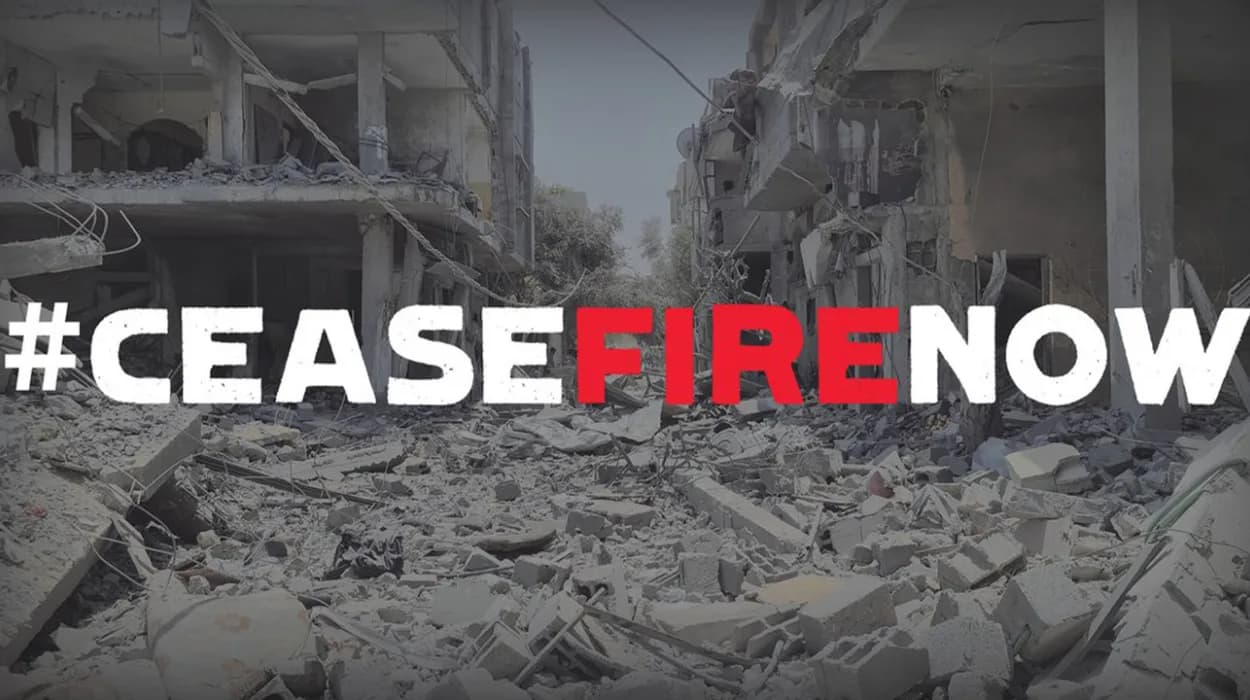
The ceasefire agreement between Israel and Hamas in 2025 represents a pivotal moment in a long and complex conflict that has profoundly affected the Middle East for decades. After more than 460 days of devastating warfare marked by intense violence and humanitarian crises, both parties have tentatively agreed to a structured ceasefire designed to halt hostilities and lay the groundwork for a sustained peace process. This article explores the background, details, phases, and ongoing challenges of the agreement, illuminating its significance for regional stability and global diplomacy.
Background and Context
The Israeli-Palestinian conflict is rooted in a century-old history of territorial disputes, national aspirations, and political tension between Jewish Israelis and Palestinian Arabs. Gaza, a densely populated Palestinian enclave governed by Hamas since 2007, has been the scene of recurrent clashes and wars, with devastating consequences for civilians.
In October 2023, following an attack by Hamas on southern Israel, Israel declared war on Hamas and launched extensive military operations in Gaza, resulting in widespread casualties and destruction. The conflict escalated rapidly, leading to international calls for ceasefires and humanitarian relief.
Amid this backdrop, sustained diplomatic efforts by mediators from the United States, Egypt, Qatar, and the United Nations sought to negotiate pauses in fighting to prevent further loss of life and to enable humanitarian assistance. These negotiations culminated in the 2025 ceasefire agreement.
The Ceasefire Agreement: Structure and Key Provisions
The agreement officially commenced on January 19, 2025, following an announcement on January 15, and is built on a three-stage framework, each phase approximately 42 days (six weeks) in duration. This phased structure reflects the complexity of the conflict and the need for stepwise progress.
First Phase: Humanitarian Pause and Initial Prisoner Exchange
The first phase was designed to immediately reduce violence while addressing urgent humanitarian concerns:
- Hostage
Releases: Hamas agreed to release 33 Israeli captives including women,
children, civilians over 50, and wounded individuals. Some of these
hostages were alive, while others were remains.
- Palestinian
Prisoner Releases: In exchange, Israel committed to freeing nearly
1,900 Palestinian prisoners detained since October 7, 2023, including many
serving life sentences.
- Israeli
Military Withdrawal: Israeli forces withdrew from populated areas in
Gaza, particularly in the north, allowing displaced Palestinians to return
to their homes.
- Aid
Delivery: Up to 600 trucks laden with food, medicine, fuel, and
humanitarian supplies entered Gaza daily to alleviate the dire shortages
caused by the conflict and blockade.
- Border
Crossings and Movement: The Rafah crossing with Egypt reopened to
facilitate movement. Israeli military presence in sensitive border zones
such as the Philadelphi Corridor was reduced, with plans for complete
withdrawal in this area within 50 days.
This phase effectively paused hostilities and provided a lifeline to Gaza’s civilian population amid ongoing challenges.
Second Phase: Towards a Permanent Ceasefire and Further Exchange
Negotiations for the second phase were to begin during the first phase and aimed to build upon its progress:
- Permanent
Ceasefire: Both parties would agree to establish a lasting cessation
of hostilities.
- Additional
Prisoner and Hostage Exchanges: Hamas would release all remaining
Israeli male captives, including both civilians and soldiers, while Israel
would negotiate the release of further Palestinian prisoners.
- Complete
Israeli Withdrawal: Israel would withdraw all remaining troops from
Gaza, ending its military occupation.
While largely agreed upon in principle, differing political stances, especially within the Israeli cabinet, introduced obstacles delaying the implementation.
Third Phase: Reconstruction and Resolution
The final phase of the agreement envisions a comprehensive post-conflict recovery:
- Exchange
of Deceased Hostages: The remains of Israeli captives would be
returned in exchange for deceased Palestinians held by Israel.
- End
of Blockade and Demilitarization: Israel would lift its blockade on
Gaza while Hamas would commit to refraining from rebuilding its military
capabilities.
- Reconstruction
Efforts: A reconstruction plan for Gaza would commence, supervised and
supported by international partners over a period of three to five years.
- Governance
of Gaza: The Palestinian Authority, possibly reformed, along with
international bodies, would oversee critical services in Gaza. Security
arrangements would involve Arab states to ensure stability.
This phase remains contingent on major diplomatic efforts and political will on both sides and among regional stakeholders.
International Mediation and Oversight
The ceasefire agreement was brokered by an international consortium led by the United States, Egypt, and Qatar, with the United Nations providing a platform for endorsement and supervision. The United Nations Security Council endorsed the agreement under Resolution 2735, lending it significant global legitimacy.
The mediators have established verification mechanisms based in Cairo, involving representatives from Israel, Hamas, and the mediator nations, to monitor compliance and address disputes, helping to prevent breakdowns.
Ongoing Challenges and Fragility
While the 2025 ceasefire between Israel and Hamas marked a significant step toward reducing hostilities, several formidable challenges have hindered its full and lasting implementation. Territorial disputes remain at the forefront, particularly Israel’s refusal to fully withdraw from strategic zones such as the Philadelphi Corridor, which has fomented mistrust among Palestinians and neighboring Egypt, who perceive this stance as a breach of the ceasefire’s spirit. Security concerns persist amidst this fragile calm, as sporadic violations of the ceasefire occur, complicating efforts to build mutual confidence and stability. The internal political landscapes further complicate peace efforts; deep divisions within both Israeli leadership and Palestinian factions, including Hamas, have disrupted unified support and slowed progress on key terms of the agreement. Humanitarian access remains a pressing issue, with continued restrictions and infrastructural damages in Gaza obstructing effective aid delivery and civilian protection. Lastly, governance remains a critical unresolved question, with no consensus on future administrative and security frameworks to manage Gaza post-ceasefire, fueling ongoing uncertainty about the region’s stability and political future. These challenges underscore the complexity of transforming a ceasefire into a durable peace.
Humanitarian and Regional Impact
The ceasefire has provided critical relief with the easing of hostilities, enabling displaced families to return home and humanitarian aid to flow. The prisoner and hostage exchanges humanize the conflict’s toll and allow steps toward confidence-building.
Regionally, the ceasefire has reduced immediate tensions, although the broader Israeli-Palestinian conflict dynamics require sustained diplomacy to prevent relapse and support long-term peace.
A Fragile yet Pivotal Step
The 2025 ceasefire agreement between Israel and Hamas represents a pivotal breakthrough following years of conflict and suffering. Its phased design balances immediate humanitarian needs with longer-term political and security goals. However, the true test lies ahead—from the implementation of later phases to resolving governance and territorial issues.
Continued international mediation, adherence to commitments, dialogue, and regional cooperation will be essential in transforming this fragile ceasefire into a foundation for lasting peace between Israelis and Palestinians.