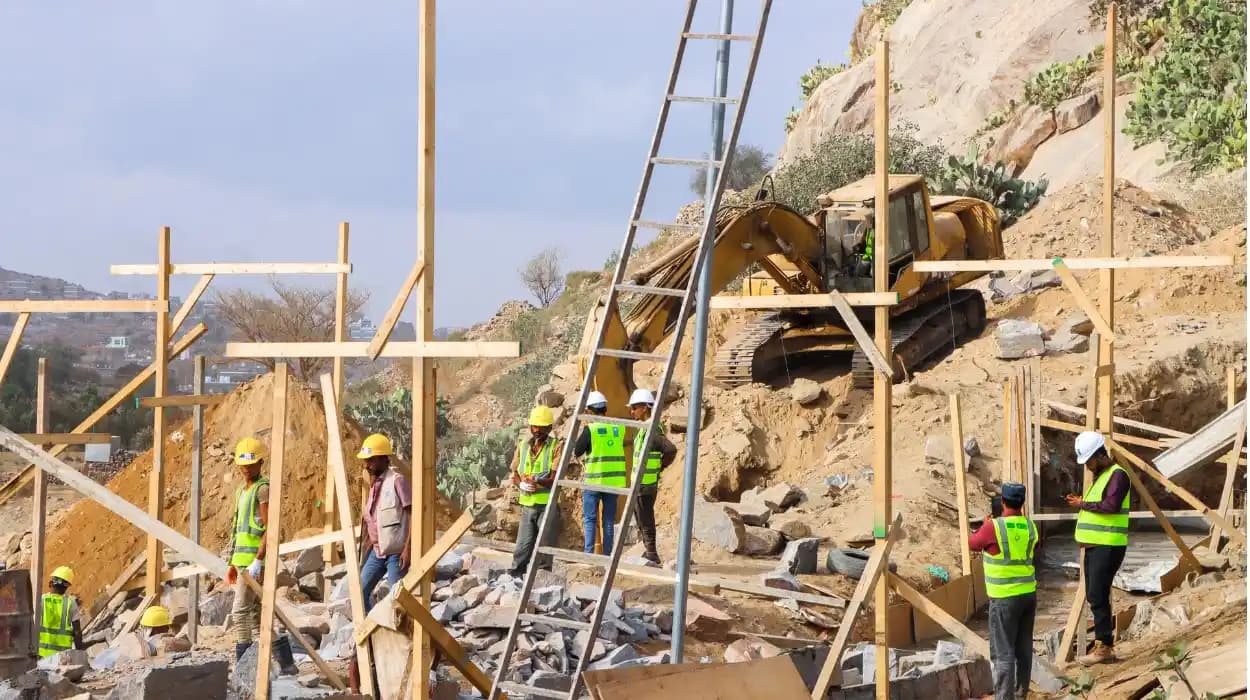
Yemen stands at a crucial crossroads after enduring years of conflict that have severely impacted its economy, infrastructure, and governance structures. Rebuilding the country is a complex challenge, requiring not only restoring physical infrastructure but also revitalizing governance and public service delivery systems that can foster sustainable development and social cohesion. The reconstruction and development plans for Yemen seek to create a framework that balances immediate humanitarian needs with long-term recovery strategies. This article explores Yemen’s approach to recovery, focusing on governance and public services as pillars of sustainable development, while highlighting partnerships, challenges, and initiatives aimed at creating a stable, resilient Yemen.
Governance as the Cornerstone of Reconstruction
One of the foremost obstacles to Yemen’s recovery is the fragmentation and weakening of governmental institutions caused by prolonged conflict. The breakdown of state structures has led to reduced capacities to deliver essential public services and uphold rule of law, thereby exacerbating social instabilities. Addressing this requires building governance frameworks capable of managing resources efficiently, promoting transparency, and ensuring inclusivity among Yemen’s diverse communities.
Efforts to strengthen governance focus on national consensus-building around a shared recovery vision. This includes developing strategies that unite various political factions, civil society, and local authorities to participate actively in reconstruction planning and implementation. Building institutional capacity through training programs for civil servants, technical assistance, and partnership development is critical to improving governmental functions. These measures aim to establish robust systems for public accountability, policy coherence, and service delivery, forming the foundation for inclusive development.
Public Services Rehabilitation and Expansion
Effective public service delivery is essential not only for improving living standards but also for reinforcing trust between the government and citizens. In Yemen, essential sectors such as health, education, water, and sanitation have suffered extensive damage, with millions lacking access to basic services. Rebuilding infrastructure alone is insufficient without parallel efforts to enhance the institutional and operational capacities that maintain these services.
International partners and local authorities are prioritizing rehabilitation in critical sectors:
- Health: Renewed focus is on restoring healthcare facilities, training medical personnel, and reestablishing supply chains for medicines and vaccines. This reduces immediate health risks and builds resilience against future shocks.
- Education: Programs are designed to reopen schools, provide educational materials, and train teachers, emphasizing inclusivity for vulnerable groups, including displaced children.
- Water and Sanitation: Addressing severe water scarcity through sustainable water management projects and improving sanitation facilities is vital for public health and quality of life.
- Energy and Transport: Infrastructure development aims to facilitate access to services and economic opportunities, supporting reconstruction and local markets.
Strengthening Local Governance and Community Engagement
Yemen’s governance landscape includes complex layers of local authorities, tribal systems, and formal governmental institutions, especially given the country’s divided political geography. Strengthening local governance is critical for sustainable development because local councils are responsible for spearheading development projects and delivering public services to more than 30 million Yemenis.
Empowering local entities with adequate resources, technical knowledge, and decision-making authority creates more responsive governance structures. This decentralized approach enhances social cohesion by fostering community participation and accountability at the grassroots level. It also facilitates tailored solutions that address localized challenges in governance and service delivery.
Economic Recovery and Its Link to Governance and Services
Economic rehabilitation is inseparable from improvements in governance and public service provision. Yemen’s economy has contracted drastically, with real GDP per capita declining by over half, pushing much of the population into poverty. Economic zones controlled by competing authorities further complicate recovery efforts.
Development initiatives focus on boosting key sectors such as agriculture, fisheries, and trade to create jobs, stabilize livelihoods, and attract investments. Programs aim to harness the private sector’s role through innovative financing mechanisms and improved investment climates. Strengthening governance contributes to economic recovery by creating secure environments for business, enforcing contracts, and managing public funds transparently.
International and Regional Partnerships Supporting Yemen
Yemen’s reconstruction and developmental ambitions are heavily supported by a network of international and regional actors, including the United Nations Economic and Social Commission for Western Asia (ESCWA), the World Bank, the International Monetary Fund, and donor governments such as Saudi Arabia.
These partnerships provide technical assistance, financial aid, and capacity-building programs aligned with Yemen’s national recovery vision. Key projects focus on infrastructure rehabilitation, public institutional strengthening, and sustainable development strategies. For example, Saudi Arabia’s Development and Reconstruction Program for Yemen has implemented hundreds of initiatives spanning education, health, water, energy, agriculture, and governance enhancement, contributing to improved livelihoods and infrastructure across the country.
Challenges to Effective Reconstruction and Development
Despite progress, Yemen continues to face multifaceted challenges hampering effective reconstruction:
- Ongoing conflict and political fragmentation obstruct unified governance and complicate service delivery.
- Economic blockades and financial crises strain public finances, limiting government capacity to fund essential services.
- Chronic humanitarian crises, including food insecurity and health emergencies, demand sustained emergency response alongside reconstruction.
- Environmental issues, such as water scarcity, pose ongoing risks that need integrated, long-term solutions.
- Reduced donor funding and competing priorities create uncertainty in long-term program sustainability.
Strategies for Sustainable Governance and Public Service Delivery
To overcome these challenges, Yemen’s reconstruction plans emphasize integrated strategies that link governance reforms with public service delivery improvements:
- Consensus-Driven Policy Making: Broad stakeholder dialogues ensure that recovery plans are inclusive, gender-sensitive, and reflect local realities.
- Capacity Building: Continuous training and institutional support create capable civil service structures that can implement reforms effectively.
- Transparent Resource Management: Enhanced oversight and anti-corruption measures build public trust and optimize resource utilization.
- Decentralization: Empowering local councils and communities facilitates adaptive governance and more equitable service access.
- Multi-Sectoral Coordination: Aligning humanitarian, development, and peacebuilding efforts ensures balanced progress across sectors.
- Innovations in Financing: Leveraging both public and private funding streams strengthens program sustainability and economic revitalization.
Yemen’s path to recovery and development hinges on its ability to strengthen governance and public service delivery mechanisms amidst complex political and humanitarian conditions. Reconstruction plans grounded in inclusive governance, institutional capacity building, and resilient public services provide a foundation for sustainable progress. Supported by international partners and local actors, Yemen’s renewed focus on transparent, decentralized, and integrated approaches holds promise for fostering stability, economic revival, and improved quality of life for its people. Sustained commitment to these principles will be essential to achieve a lasting peace and development trajectory in Yemen.