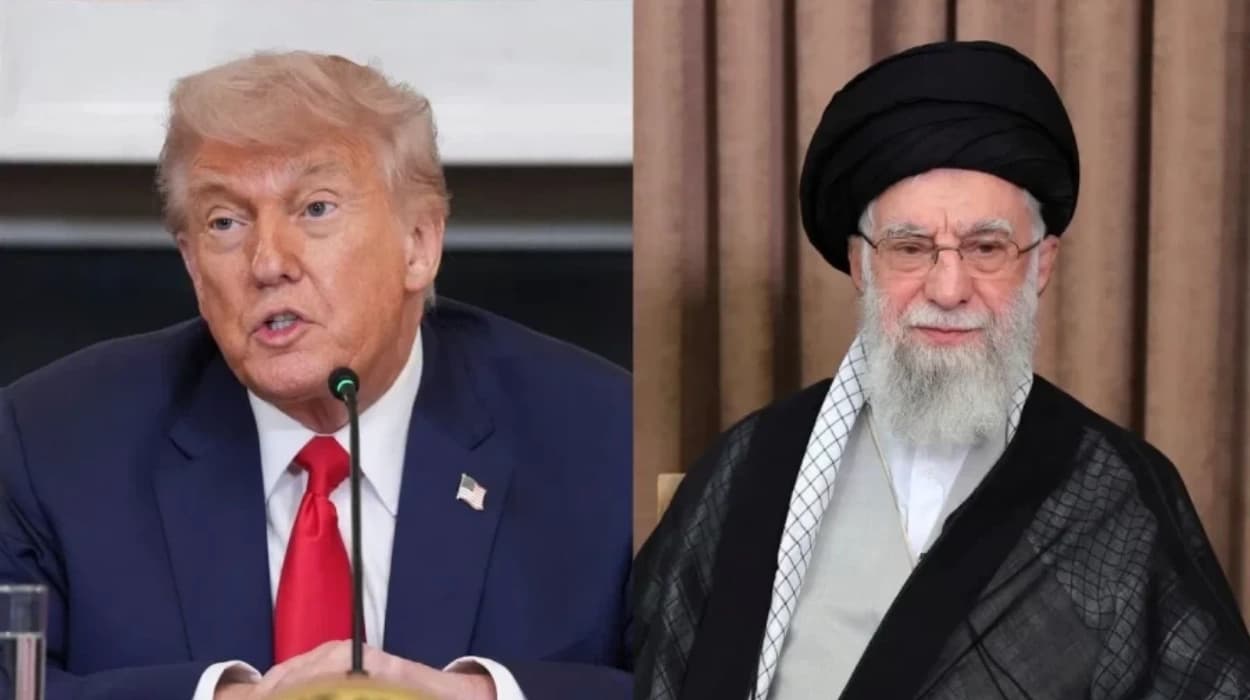
Iran issued a direct warning to former US President Donald Trump amid escalating US military and political involvement in Latin America, which is increasingly viewed as a new front in the global fight against drug cartels. This development reflects mounting tensions and complex geopolitical dynamics in the Western Hemisphere.
US Actions in Latin America and Iran's Warning
As reported by Hindustan Times in their coverage titled
"Iran stuns Trump with direct warning as US turns Latin America into next war zone over drug cartels,"
Iran has delivered a clear and unprecedented warning to Donald Trump. This warning emerged in response to the intensification of US strategies aimed at combating drug cartels throughout Latin America, which critics argue risks turning the region into another battlefield in the United States' war on drugs.
The Iranian communiqué explicitly cautioned Trump and his administration about the consequences of expanding US military and covert operations in Latin America. While the full content of Iran's message has not been publicly disclosed by officials, the tone and content signal Tehran's firm opposition to US interference in this region.
Background to US Involvement in Latin America
The US administration under Trump has increasingly focused on Latin America, particularly on combating the powerful drug trafficking networks that destabilise countries and spill violence across borders. This engagement includes enhanced cooperation with local governments, deployment of specialised military and law enforcement units, and intelligence operations aimed at dismantling cartels.
These efforts follow a strategic pivot recognising Latin America as critical to US national security, given the cartel's direct impact on US domestic drug-related violence and the broader implications for regional stability.
Geopolitical Dynamics and Regional Implications
According to coverage by various international media outlets monitoring developments closely, Iran's warning is not isolated but part of a broader geopolitical discourse. Tehran sees the US military build-up and security operations in Latin America as a potential threat to regional sovereignty and as an attempt to encircle and pressure countries aligned with Iranian interests.
This stance from Iran underscores the complex interplay between Latin American politics, drug cartel violence, and international power rivalries, especially between Iran and the US. Experts cited by reporters note that Iran’s intervention in the form of warnings aims to leverage its influence indirectly, signalling to Latin American governments and populations their awareness and support against perceived US overreach.
As reported by Hindustan Times journalist, the Iranian officials delivering the warning stressed that the US risks escalating violence further, which could destabilise the entire Western Hemisphere. They appealed for respect for national sovereignty and warned that US actions could provoke unforeseen consequences.
Meanwhile, US administration spokespeople have reiterated their commitment to reducing drug trafficking and violence through multinational cooperation and have largely dismissed Iranian commentary as geopolitical posturing without constructive basis.
Context of Broader US-Iran Relations
This development occurs against the backdrop of long-standing tensions between Iran and the US, encompassing sanctions, proxy conflicts, and diplomatic disputes. The warning related to Latin America signifies an expansion of this rivalry into new geographic areas beyond the traditional Middle Eastern focus.
Observers indicate that Iran’s move could signal a strategic effort to open new fronts or arenas where it can exert influence and respond to US pressure, complicating the geopolitical landscape further.
International Reactions and Analysis
International observers and analysts have flagged this episode as a significant marker of shifting geopolitical strategies. The US’s intensifying role in Latin America regarding drug cartels is seen as both a security imperative and a source of regional friction.
Meanwhile, Iran’s warning is interpreted as both a message to the US and a signal to Latin American countries to be wary of deeper American involvement that might infringe upon their sovereignty or provoke local instability.
The direct warning from Iran to Donald Trump amid the US's expanding operations against drug cartels in Latin America highlights the intricate and evolving nature of international relations in the hemisphere. It reflects the intersection of narcotics enforcement, regional security, and global power rivalries, emphasising the heightened risks and diplomatic sensitivities involved as these issues unfold.