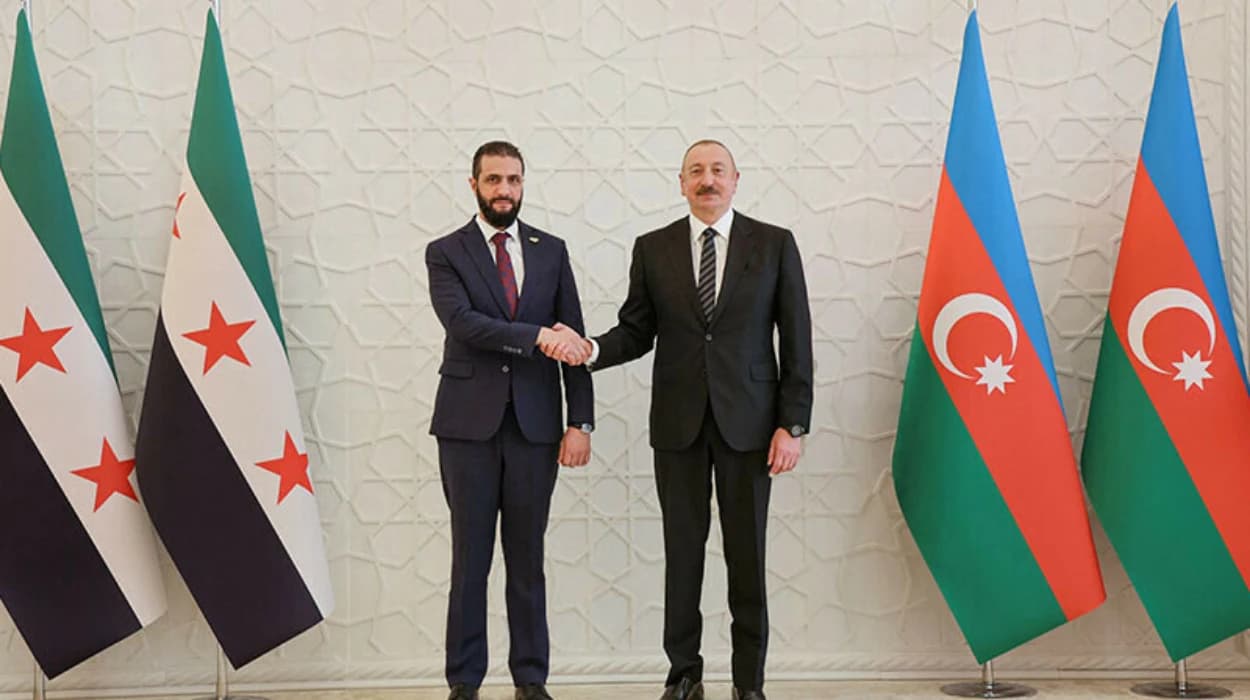
Syrian and Israeli officials are set to hold direct talks in Baku, Azerbaijan, marking a rare diplomatic engagement amid ongoing regional tensions, according to a diplomatic source in Damascus. This development signals a potential shift in Middle East diplomacy, with implications for regional security and international relations.
What Is the Significance of the Syrian-Israeli Meeting in Baku?
As reported by a diplomatic source in Damascus, Syrian and Israeli officials are scheduled to meet in Baku, Azerbaijan, for direct talks. This meeting is noteworthy because it represents one of the few instances of formal dialogue between the two countries, which have been adversaries for decades amid ongoing conflict and political hostility. The talks could indicate a tentative step toward easing tensions and exploring diplomatic solutions in a region marked by volatility.
Key Players Involved in These Talks
The diplomatic source in Damascus, whose identity remains confidential for security reasons, confirmed the meeting but did not disclose the names of the officials involved. It is understood that the talks will involve senior representatives from both Syria and Israel, aiming to address pressing bilateral issues. The choice of Baku as the neutral venue underscores Azerbaijan's growing role as a diplomatic hub in the region, given its strategic location and relatively stable relations with both parties.
Why Has Baku Been Chosen as the Venue for These Talks?
Baku, the capital of Azerbaijan, has emerged as a preferred location for sensitive diplomatic engagements due to its geopolitical neutrality and established diplomatic infrastructure. Azerbaijan maintains cordial relations with both Syria and Israel, making it a suitable intermediary ground. The city's selection reflects a broader trend of leveraging third-party venues to facilitate dialogue between historically hostile nations without direct confrontation or domestic political pressures.
How Does This Meeting Fit into the Broader Middle East Context?
The planned Syrian-Israeli talks in Baku come amid heightened tensions in the Middle East, including ongoing conflicts involving Iran, Israel, and other regional actors. According to Geo News coverage, the region has experienced increased military readiness, embassy shutdowns, and travel advisories due to escalating security concerns. This meeting could be part of broader diplomatic efforts to stabilise the region and prevent further escalation, especially considering the complex web of alliances and conflicts involving Iran, Israel, Syria, and other powers.
Potential Outcomes of the Syrian-Israeli Talks
While the diplomatic source did not specify the agenda or expected outcomes, experts suggest the talks could focus on de-escalation measures, prisoner exchanges, border security, or confidence-building steps. Given the longstanding hostilities and the absence of formal diplomatic relations between Syria and Israel, even preliminary dialogue is significant. It may pave the way for future negotiations or at least reduce the risk of inadvertent conflict escalation.
Historical Relationship Between Syria and Israel
Syria and Israel have been in a state of conflict since the establishment of Israel in 1948, with wars fought in 1948, 1967, and 1973. The Golan Heights, a strategic plateau, remains a major point of contention after Israel captured it from Syria in 1967. Despite occasional indirect communications and ceasefire agreements, formal diplomatic relations have never been established. This meeting in Baku could represent a rare thaw in decades of animosity.
International Observers Reacting to This Development
International observers and regional experts are cautiously optimistic about the talks. Analysts note that while the meeting is a positive sign, it remains to be seen whether it will lead to substantive progress. The involvement of Azerbaijan as a mediator is welcomed, given its balanced approach. However, the complex regional dynamics, including Iran's influence in Syria and Israel's security concerns, mean that any breakthrough will require sustained diplomatic effort.
Broader Implications for Middle East Diplomacy
This meeting may signal a shift toward pragmatic diplomacy in the Middle East, where longstanding conflicts have often been resistant to resolution. It aligns with recent trends of regional actors seeking dialogue to manage conflicts and explore cooperation on security and economic issues. If successful, it could encourage other adversaries in the region to engage in similar diplomatic initiatives, contributing to regional stability.
The upcoming meeting between Syrian and Israeli officials in Baku, as disclosed by a diplomatic source in Damascus, represents a significant diplomatic development in a historically hostile relationship. While details remain sparse, the choice of venue and the context suggest a cautious but hopeful step toward dialogue amid a turbulent regional landscape. The international community will be watching closely to assess whether this engagement can translate into meaningful progress for peace and stability in the Middle East.