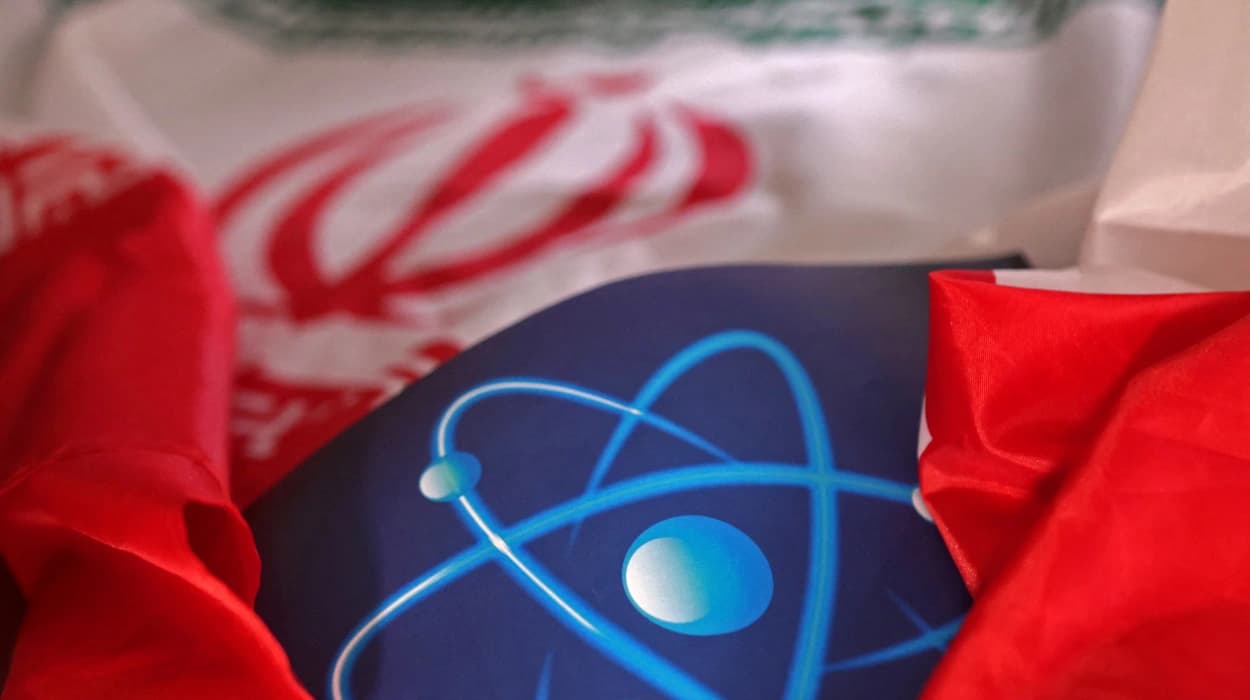
Iran announced it will engage in nuclear talks with European representatives in Istanbul, Turkey, aiming to revive the stalled JCPOA (Joint Comprehensive Plan of Action) nuclear agreement. The talks come amid ongoing tensions and diplomatic efforts to curb Iran’s nuclear ambitions.
Significance of the upcoming nuclear talks in Istanbul
As reported by various diplomatic sources, Iran is set to hold nuclear negotiations with European powers in Istanbul, Turkey. This development marks a critical step in efforts to revive the 2015 Iran nuclear deal, commonly known as the JCPOA, which has been in jeopardy since the UnitedStates' unilateral withdrawal in 2018 and Iran's subsequent escalation of nuclear activities.
The talks aim to bring back mutual compliance between Iran and the world powers on nuclear transparency and sanctions relief. Istanbul, a neutral location, was selected to facilitate constructive dialogue in a region sensitive to geopolitical tensions. The announcements suggest a renewed willingness from both sides to engage in diplomacy despite previous deadlocks and mistrust.
Participants in the nuclear talks
The negotiations will involve senior representatives of Iran and the European Union member states that are party to the JCPOA, specifically the UK, France, and Germany. These European countries continue to advocate for the deal as a means to prevent Iran from developing nuclear weapons capabilities.
According to diplomatic correspondents, U.S. officials, although not direct participants, are expected to closely monitor the talks and may indirectly influence the proceedings through European intermediaries. Iran seeks the lifting of stringent U.S. sanctions that have severely impacted its economy, while the Europeans insist on renewed Iranian commitments to nuclear restrictions.
Main Issues to be Discussed During These Talks
The primary issues on the table include:
- Iran’s nuclear enrichment activities: The West demands strict limits and verification on Iran’s uranium enrichment levels.
- Sanctions relief: Tehran calls for the removal of all U.S. sanctions that have crippled its economy since the America’s withdrawal from the deal.
- Verification and inspections: The International Atomic Energy Agency’s role and access to Iranian nuclear sites remain contentious points.
- Regional security concerns: Broader Middle East tensions, including Iran’s missile programme and regional influence, may be indirectly discussed.
The European Journal of Diplomacy highlights that resolving these topics requires nuanced negotiations balancing security guarantees with economic incentives.
Why is Istanbul the chosen location for these talks?
Istanbul offers a strategic and diplomatic advantage. It is a city bridging East and West and has previously hosted significant international dialogues. The choice reflects a mutual desire for a neutral venue that both parties perceive as a safe and respectful environment for sensitive negotiations.
Diplomatic analysts in Financial Times Special Reports emphasise that Turkey’s role as a regional power capable of mediating between Western interests and Iran facilitates the hosting of these talks, offering a platform for potentially breakthrough dialogue.
What challenges do these talks face?
Despite optimism, several formidable obstacles stand in the way:
- Deep mistrust: Historical grievances and decades of antagonism make compromise difficult.
- Domestic politics: Hardliners within Iran and some Western countries may resist concessions.
- Sanctions complexity: The U.S. and Iran have differing interpretations on the extent and timing of sanctions relief.
- Verification mechanisms: Disputes persist over the acceptable scope and intrusiveness of international inspections.
According to expert commentary in BBC InDepth, these factors suggest any agreement will require painstaking diplomacy and incremental progress.
How have recent geopolitical developments influenced these negotiations?
Growing regional instability, including conflicts in Syria and tensions with Israel, have underscored the urgency for dialogue. Additionally, changes in U.S. foreign policy and shifting alliances in the Middle East have created a window of opportunity to revisit the nuclear deal framework.
An observer in UN Climate Change News notes the international community’s increasing prioritisation of stability in the Middle East as crucial for broader global issues like climate cooperation and economic development.
What could be the broader implications if the talks succeed?
A successful outcome could lead to:
- Revitalising the JCPOA and reproaching Iran’s nuclear programme toward peaceful purposes.
- Lifting economic sanctions, which would help Iran’s struggling economy and improve regional trade.
- De-escalating tensions in the Middle East and enhancing global security.
- Opening pathways for future diplomatic engagement on related regional and international crises.
However, failure could escalate tensions further, potentially leading to renewed sanctions, isolation, and even military confrontations.
The upcoming nuclear talks between Iran and European powers in Istanbul are a pivotal moment in ongoing efforts to stabilise nuclear non-proliferation and address broader regional security challenges. While the path ahead is fraught with challenges, the dialogue reflects persistent diplomatic commitment to resolving one of the world’s most intractable conflicts.