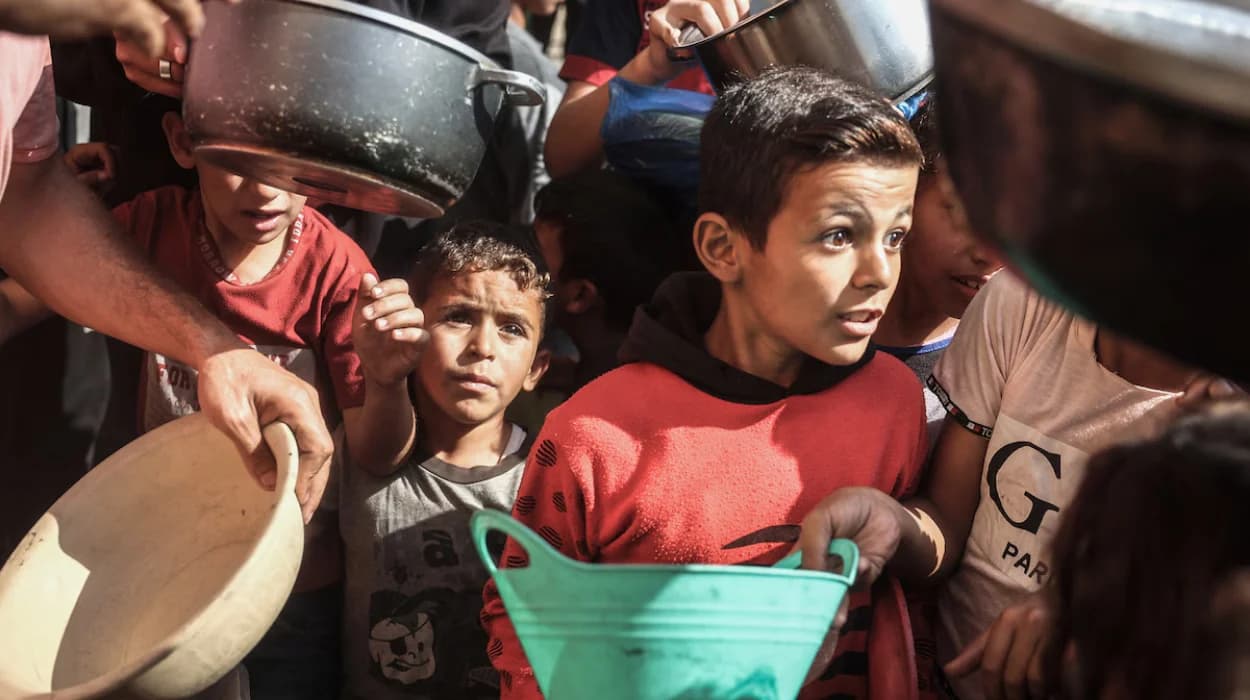
A US doctor working in Gaza has urgently warned of a starvation crisis, with children reportedly passing out from hunger amid the ongoing conflict and blockade. International medical and humanitarian sources confirm the dire situation, calling for immediate action to prevent further loss of life.
What is the current humanitarian situation in Gaza?
As reported by Euronews on July 31, 2025, the humanitarian situation in Gaza has become critical, particularly for children who are suffering from acute hunger. The ongoing conflict combined with blockades has severely restricted access to food, water, and medical supplies, precipitating a starvation crisis considered by health professionals to be an emergency of alarming proportions.
Who is sounding the alarm on the hunger crisis in Gaza?
A US doctor stationed in Gaza, with extensive experience in war-zone medical care, has publicly issued a stark warning about the deadly consequences of starvation among children. According to this doctor, whose identity is withheld for safety reasons, “Children are passing out from hunger” and hospitals are overwhelmed with cases of severe malnutrition and dehydration. This testimony was relayed via multiple humanitarian aid channels and subsequently covered by various media outlets as early July’s conflict intensified.
What evidence supports the doctor’s warning?
Multiple humanitarian agencies, including United Nations-associated bodies and independent NGOs operating in Gaza, have corroborated medical reports highlighting the widespread shortages of basic food items and lifesaving medicines. Field reports from clinics and hospitals document a surge in child admissions with symptoms of starvation — ranging from fainting spells to irreversible organ damage — consistent with the doctor’s observations.
Why is the starvation crisis occurring now?
The crisis is largely attributed to a combination of factors:
- Blockade and restricted access: The longstanding blockade has been tightened amid recent escalations, limiting the import of food and medical supplies.
- Escalating conflict: Ongoing military operations have damaged critical infrastructure, including supply routes and healthcare facilities.
- Displacement: Large-scale displacement due to violence has left many families cut off from regular food sources, exacerbating malnutrition risks.
These compounding issues create a complex humanitarian emergency, making the provision of aid and medical intervention exceedingly difficult.
What is the response from international organisations?
Humanitarian groups such as the World Health Organization and UNICEF have issued urgent appeals for increased humanitarian corridors and immediate resupply efforts. They emphasise that without swift intervention, the survival of vulnerable children, in particular, is at grave risk. Aid organisations are coordinating to deliver emergency nutrition and medical assistance, but their efforts are hindered by security concerns and logistical challenges on the ground.
How are medical facilities coping with the crisis?
Facilities in Gaza are reported to be operating beyond capacity, with staff working under extreme pressure to treat malnourished children and other victims of conflict-related injuries. The US doctor, quoted by humanitarian news sources, stated that hospitals are “strained to breaking point” and that shortages of critical supplies like therapeutic food and saline solutions threaten to undo months or even years of health gains.
What are the calls to action by those involved?
The US doctor and other frontline witnesses implore international policymakers and governments to:
- Facilitate unhindered humanitarian access to Gaza.
- Lift or ease blockades specifically for essential food and medical supplies.
- Accelerate diplomatic efforts to end hostilities that exacerbate civilian suffering.
- Provide financial and logistical support to humanitarian agencies working in the region.
Such calls are gaining increasing global attention as reports of starvation and medical distress mount.
What is the broader impact of this crisis?
Experts warn that without remedy, the crisis will create long-term adverse effects on the health and development of Gaza’s children, with potential regional destabilisation due to rising desperation and displacement. Food insecurity is recognised as a critical component of the larger conflict’s humanitarian toll.
What ongoing coverage and monitoring are in place?
Media organisations and humanitarian bodies continue to monitor the conditions closely, providing near real-time updates. Independent verification of reports is challenged by access restrictions but remains a priority to ensure transparent and accurate representation of the crisis.