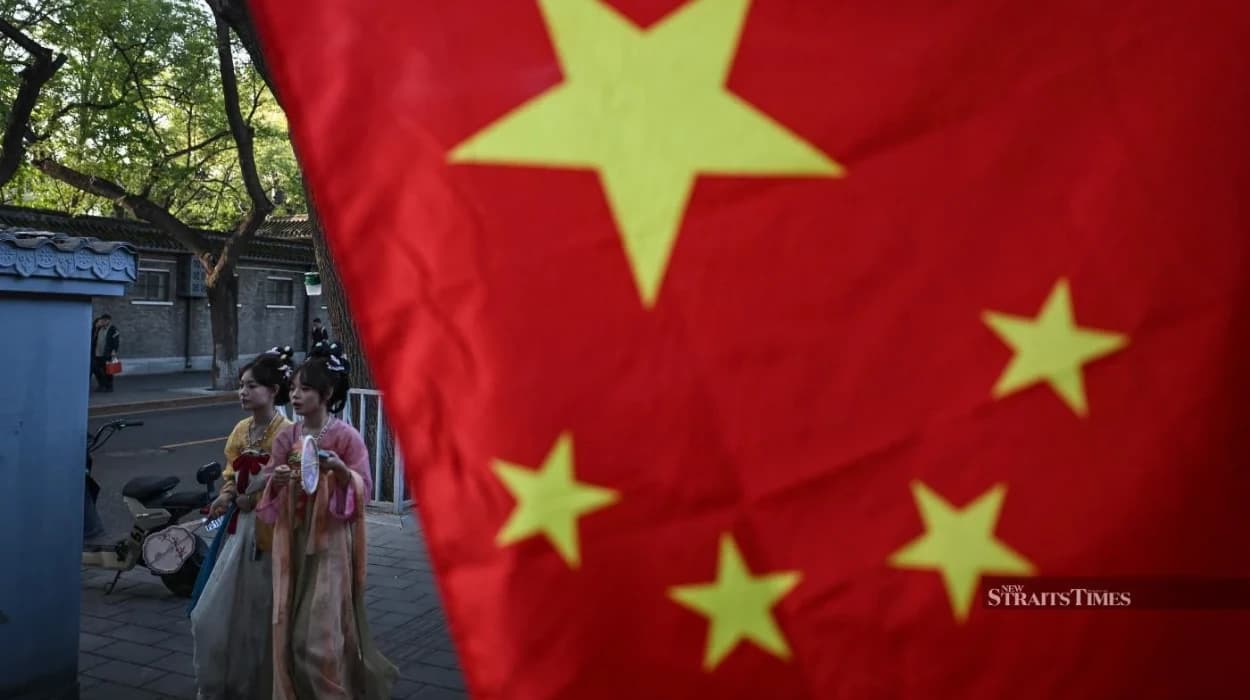
A study by risk consultancy Verisk Maplecroft shows that major emerging economies such as China, Brazil, and India are well positioned to withstand US tariffs without significant economic disruption. The report highlights the ability of emerging markets to realign trade relationships and reduce dependence on the US and China, fostering economic resilience amid geopolitical shifts.
Emerging Economies’ Resilience to US Tariffs
LONDON — Most of the world's major emerging economies, including China, Brazil, and India, have the capacity to weather US tariffs without suffering excessive economic pain, a recent report by Verisk Maplecroft has found. This insight casts doubt on the long-term efficacy of US President Donald Trump’s trade tools, which aim to leverage tariffs to reshape global trade patterns.
The risk consultancy evaluated 20 of the largest emerging markets, examining various factors such as debt levels, export reliance, and geopolitical volatility. The study concluded that many of these economies are currently better positioned than generally perceived to cope with the “tariff storm” initiated by the US, even if tariff measures were expanded to full capacity.
Key Findings from the Report
Reema Bhattacharya, Head of Asia Research at Verisk
Maplecroft and co-author of the report, stated:
“Most manufacturing hubs globally are in a better position in their current baseline than you would think or give them credit for to weather this tariff storm specifically coming out of the US, even if it comes to full capacity.”
The report singles out Mexico and Vietnam as economies with notable exposure to the US due to their close trade dependence. However, it notes that their progressive economic policies, improved infrastructure, and relative political stability help them remain resilient.
Brazil and South Africa were highlighted for their active efforts in building alternative trade partnerships with countries beyond the US and China to shield their economies from future geopolitical and trade disruptions.
Diversifying Trade Partners Is Crucial
Ms. Bhattacharya added,
“Almost every emerging market or global market understands that we need to do business with the US and China, but we can’t over-rely on either. So we need a third market.”
This statement underscores a global strategic shift as countries seek to diversify trade and investment channels.
Trade among BRICS nations—Brazil, Russia, India, China, and South Africa—is reportedly on the rise, signalling a move towards strengthening South-South economic ties. However, the report from Verisk Maplecroft did not include an examination of Russia, which remains a key player in this grouping.
China’s Unique Position
China remains a standout case due to its entrenched global
manufacturing base and diversified export economy. Ms. Bhattacharya noted:
“China, though particularly exposed to geopolitical tensions with the United States, is so entrenched it’s actually almost impossible to replicate it elsewhere.”
China’s ongoing efforts to increase the use of its currency, the renminbi, in international trade settlements are viewed as part of a pragmatic strategy to enhance economic resilience and reduce geopolitical risk. Countries such as Brazil, Argentina, and Chile have already signed local-currency settlement arrangements with China’s central bank, while Chinese state-owned enterprises are investing heavily in key resources in South America.
Impact of US Tariffs on Emerging Markets
The US, under President Trump’s administration, has imposed steep tariffs on a variety of imports from dozens of countries, including major emerging economies. For example, Brazil faced a 50% tariff on certain exports, though some sectors like aircraft, energy, and orange juice were exempted.
Reuters coverage by details how these tariffs aim to protect US industries and address trade imbalances but have led to escalating trade tensions. Despite this, Verisk Maplecroft's report suggests the net impact on emerging economies may be less severe than expected, due primarily to their trade realignment capabilities and diversified economic policies.
Global Trade Realignment
This trade realignment is part of a broader global shift. Articles from various outlets emphasise that nations worldwide are recalibrating their trade and economic relations to reduce over-reliance on both the US and China. As reported by Arab News and Reuters, emerging economies are actively seeking new trade partners and markets to mitigate risks from tariff wars and geopolitical tensions.
Brazil and South Africa, in particular, are fostering stronger economic links with countries outside of the traditional US-China dichotomy, building a buffer to protect their economic growth. Mexico and Vietnam, while more exposed to US trade, are similarly taking steps to strengthen resilience through internal reform and diversified infrastructure.
The Verisk Maplecroft report highlights a critical trend in global trade dynamics: most emerging economies possess the adaptability and economic frameworks necessary to withstand the pressures of US tariffs through strategic trade realignment and diversification. This development suggests a more multipolar international trade environment, reducing the unilateral leverage traditionally held by the US in shaping global trade policies.