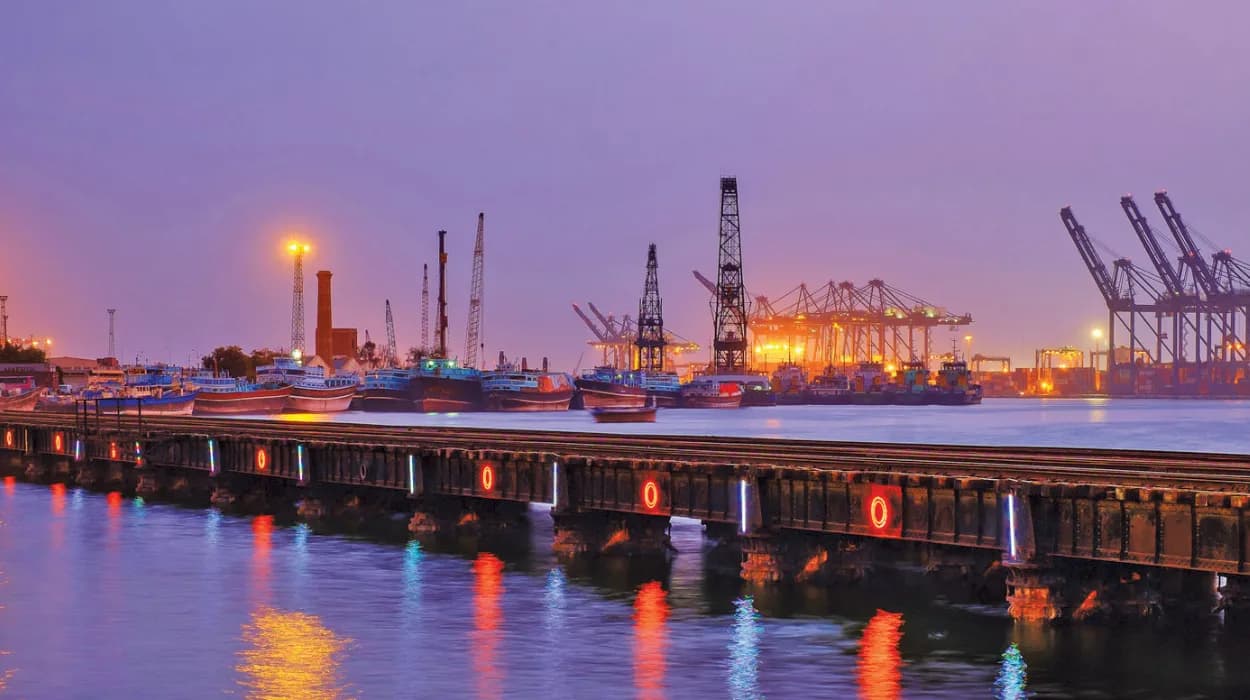
Pakistan has initiated discussions with the United States to build and operate a major port on the Arabian Sea, aiming to enhance strategic maritime infrastructure and economic cooperation. The proposed collaboration is expected to strengthen bilateral ties, improve regional trade connectivity, and potentially shift geopolitical dynamics in South Asia.
Pakistan’s Strategic Move for Port Development
Pakistan has approached the United States government with a proposal for the construction and operation of a deep-sea port along the Arabian Sea coast, as reported by multiple media outlets. This initiative is part of Pakistan’s broader effort to develop critical maritime infrastructure and expand its role in regional trade networks.
The exact location of the proposed port has not been publicly disclosed, though sources indicate it will be situated in a strategic area to complement Pakistan’s existing ports such as Gwadar and Karachi. The new port aims to provide enhanced capacity for larger vessels and improved logistical facilities.
Objectives Behind the Proposal
The primary objectives articulated by Pakistan include boosting national economic capabilities through expanded port facilities and attracting foreign direct investment. According to the report by The Federal, Pakistan believes collaboration with the US — a country with advanced maritime engineering expertise — will bring technological knowhow, operational efficiency, and financial resources necessary for such a large-scale project.
Experts quoted in various reports suggest the port project would also serve Pakistan’s strategic interests by diversifying its maritime infrastructure and reducing reliance on other regional hubs.
Statements from Officials and Analysts
As reported by journalist Ali Zafar of The Federal, senior Pakistani officials have engaged in preliminary talks with counterparts from the US Department of Commerce and US Navy officials to outline the potential scope and frameworks for this partnership.
An unnamed official from Pakistan’s Ministry of Maritime Affairs told The Federal:
“This is a landmark proposal that aligns with our vision of increasing trade routes and asserting Pakistan’s presence in the global maritime economy.”
A maritime analyst, Samantha Klein of South Asia Watch, said,
“US involvement would signal a significant shift, reflecting evolving geopolitical priorities and economic interests, possibly balancing influences from other regional powers.”
Potential Economic and Geopolitical Implications
The port project could create considerable economic opportunities by generating jobs, facilitating imports and exports, and serving as a regional trade hub connecting South Asia with the Middle East and Africa.
From a geopolitical perspective, collaboration between Pakistan and the United States on maritime infrastructure could influence regional dynamics, particularly amid ongoing competition and cooperation in the Indian Ocean region. Analysts highlight that this partnership might complement US strategic interests while supporting Pakistan’s economic development goals.
Reaction from Regional and International Observers
International observers have noted the potential for this initiative to impact maritime security and trade flows in the Arabian Sea and beyond. Statements from analysts at the International Maritime Council underlined the importance of transparent cooperation and environmental considerations in the project’s development.
Neighboring countries have yet to issue formal statements, though experts anticipate increased dialogue regarding navigation rights, security protocols, and economic partnerships in light of this new proposal.
Background on Pakistan’s Port Infrastructure
Pakistan currently operates major ports at Karachi and Gwadar, with Gwadar recently developed with significant Chinese investment under the China-Pakistan Economic Corridor (CPEC) framework. The addition of a US-collaborated port would diversify Pakistan’s maritime portfolio and could encourage competitive efficiency among its ports.
The proposed project is also seen against the broader backdrop of Pakistan’s efforts to expand trade access routes, including road, rail, and sea connectivity aimed at boosting exports and regional economic integration.