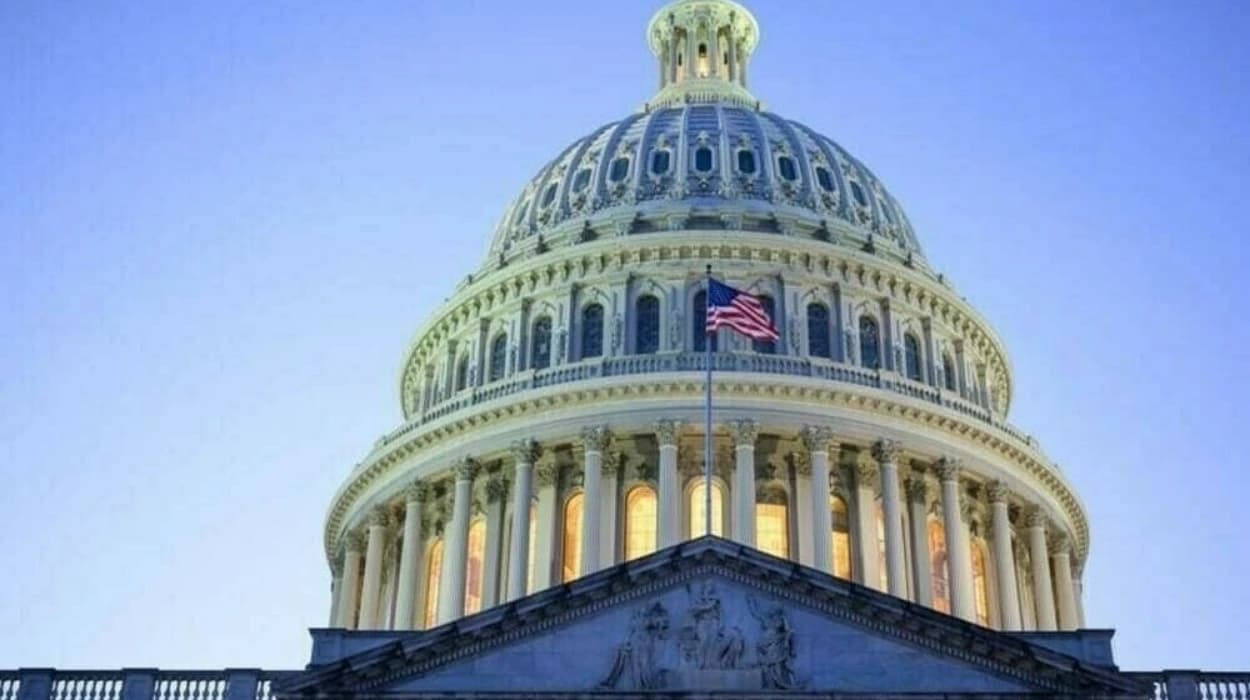
The ongoing US federal government shutdown, now entering its fourth week, has halted the release of critical economic data including GDP figures and employment reports, severely impeding policymakers' and businesses' ability to assess the economy's health. The Congressional Budget Office warns the shutdown could cost the US economy between $7 billion and $14 billion, reducing fourth-quarter GDP growth by up to 2%, while the Federal Reserve faces challenges in setting monetary policy amid this data blackout.
US Government Shutdown Deepens Economic Uncertainty
The US federal government has been shut down since October 1, 2025, due to congressional failure to pass funding legislation. This closure has now become the second longest in US history, with no resolution in sight as political parties remain at an impasse. As reported by Reuters on October 29, the shutdown is projected by the nonpartisan Congressional Budget Office (CBO) to cost the US economy as much as $14 billion, with estimates ranging from $7 billion to $14 billion depending on the shutdown's duration. The CBO highlights that this economic hit will shave up to 2% off GDP growth in the fourth quarter of 2025 and cause a temporary decrease in federal spending that will only partially reverse after the shutdown ends.
The shutdown leads to furloughs of a significant number of federal employees and the cancellation or delay of numerous government services and data releases. The closure has shut off the flow of key economic data at a critical moment of uncertainty for officials, investors, and business leaders trying to gauge the state of the US economy.
Critical Economic Data Releases Delayed or Halted
A direct consequence of the shutdown is that vital economic reports have either been delayed or cancelled. Reports on employment, retail sales, trade, and gross domestic product (GDP) have been particularly affected. According to the BBC and The Conversation, the GDP data measuring economic growth for the July-September quarter, originally scheduled for release in late October, has been postponed indefinitely.
Heather Long, chief economist at Navy Federal Credit Union, told AFP that
"there's a huge demand right now for government data. Every industry is trying to figure out if the Federal Reserve is going to keep cutting interest rates."
The Federal Reserve depends heavily on such data, especially inflation and jobs reports, to guide monetary policy and decide interest rate movements. The absence of this information is leaving policymakers "flying blind" as they try to steer the economy.
According to Politico reporting, the blackout of data on jobs, trade, and overall GDP at such an uncertain economic juncture makes the central bank's decisions "more treacherous." It will have to decide on interest rate cuts or holds without a full picture, compounding risks for the economy.
Economic Impact and Business Reactions
The shutdown's fiscal impact is being felt widely beyond government workers. Without pay, many federal employees have cut back on spending, which ripples through the economy. Grant Richardson, founder of wine import company Pangea Selections, said that
"the shutdown is stifling our ability to grow."
With crucial data missing, businesses are also likely to reduce hiring and investment. Analysts warn that the information blackout creates uncertainty that could weaken business confidence and delay budget planning for 2026. This timing is significant because
"most organisations are finalising their budgets"
and interest rate forecasts with an incomplete economic picture, as noted by Heather Long.
Furthermore, the shutdown affects social programmes: The US Department of Agriculture announced that no Supplemental Nutrition Assistance Program (SNAP) benefits would be issued in November 2025 due to the shutdown, prompting lawsuits from states demanding reinstatement of benefits.
Political Stalemate and Efforts to End Shutdown
The continuing shutdown results from a political stalemate between Republicans and Democrats in Congress. As detailed by Reuters and CBS News, Senate attempts to pass various funding bills, including some aimed specifically at paying the military during the shutdown, have failed multiple times, mostly on party-line votes. Senate Majority Leader John Thune has stated that talks to end the shutdown have accelerated recently but no agreement has yet been reached.
President Trump and key congressional leaders have met but expressed contrasting views. Trump reportedly told Senate Democratic Leader Chuck Schumer and House Democratic Leader Hakeem Jeffries he would only negotiate post-shutdown, while accusing Democrats of using "extortion" tactics. The political blame game continues with both parties accusing one another of causing the prolonged impasse.
Financial Market and Federal Reserve's Challenge
The Federal Reserve is facing a daunting situation with incomplete information as it prepares for an interest rate decision. As Bloomberg and The New York Times report, the central bank is poised to lower rates despite missing critical data that inform such decisions, highlighting the complexities faced due to the shutdown.
Additionally, the Treasury is expected to deploy an unprecedented workaround to calculate the inflation index used for inflation-protected government bonds, the first since their inception in 1997, due to the missing inflation report from the government shutdown. This could introduce unusual pricing effects in those markets.