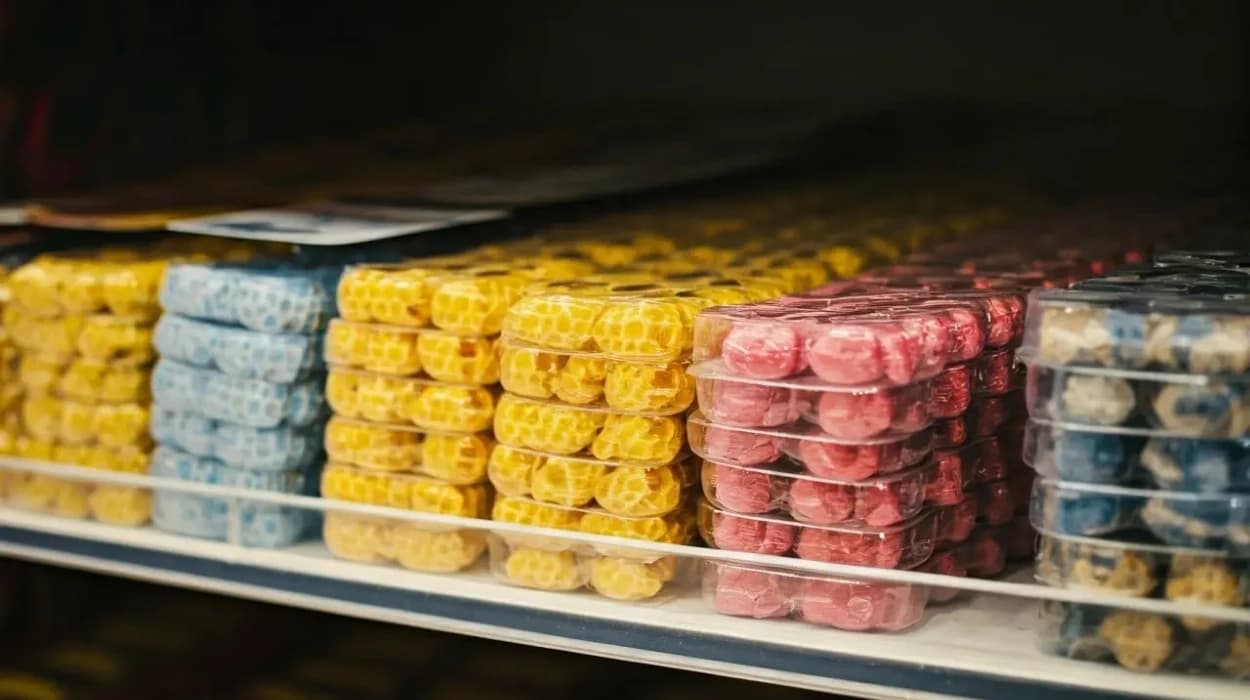
The blister packaging market in the United States is projected to attain a valuation of USD 8.5 billion by 2035, driven primarily by innovation and a strong push towards sustainability. Industry experts anticipate significant advancements in eco-friendly packaging technologies alongside ongoing innovation to meet consumer and regulatory demands.
Growth Drivers and Industry Trends
The blister packaging sector is witnessing rapid growth, largely propelled by pharmaceutical and consumer healthcare industries, which demand safer, more sustainable, and cost-effective packaging solutions. According to recent market analysis, the shift towards eco-friendly materials and innovations in packaging design are central to this growth forecast, as detailed by industry reports and market analysts.
The push for sustainability is particularly prominent, with manufacturers increasingly adopting biodegradable plastics, recycled materials, and reducing carbon footprints. Industry forecasts by Smith & Co. Market Research suggest that during the next decade, technological advances will underpin the sector's evolution, specifically innovations that balance environmental responsibilities with product safety and cost efficiency.
Industry Challenges and Regulatory Environment
Despite optimistic projections, the blister packaging industry faces challenges, including stringent regulatory standards and rising raw material costs. Regulatory agencies, such as the US Food and Drug Administration (FDA), are tightening guidelines on packaging safety, requiring manufacturers to comply with new standards for sterility, protection from contamination, and environmental impact mitigation.
The environmental aspect remains complex, as companies seek to reconcile packaging durability with sustainability goals. The industry landscape is thus marked by continuous R&D efforts focused on finding eco-friendly yet effective packaging solutions.
Pharmaceutical and Consumer Goods Dominance
The pharmaceutical industry constitutes the largest segment within the blister packaging market, owing to the increasing demand for child-resistant, tamper-evident packaging. Consumer healthcare products, including vitamins and OTC medicines, also significantly contribute to market growth.
Major players shaping the industry include Amcor, WestRock, Berry Global, and Bemis Company, Inc., which are investing heavily in R&D to develop sustainable packaging solutions. These companies are collaborating with biotech firms and environmental agencies to enhance eco-friendly packaging options.
Innovations and Technological Advancements
Emerging technologies such as smart packaging, which incorporates QR codes and NFC tags for supply chain transparency, are gaining momentum. Bioplastics and compostable materials are increasingly being integrated into blister packaging designs to reduce environmental footprints.
Regional Focus and Market Expansion
While the focus remains on the US, international markets such as Europe and Asia are also experiencing similar growth trends, driven by stricter environmental policies and rising healthcare expenditure. US manufacturers are expanding their R&D and production capacity to meet global demand, with some establishing manufacturing hubs abroad.
Industry Commitment to Environmental Goals
Industry leaders are pledging to achieve carbon neutrality by 2030 and are investing in renewable energy sources for manufacturing processes. The development of recyclable and biodegradable blister packs is a priority, aligning corporate social responsibility goals with consumer expectations.
Market Projections and Expected Impact
Market analysts forecast the USD 8.5 billion valuation in 2035, with a compound annual growth rate (CAGR) of approximately 6%. Innovating in sustainable packaging solutions will be key for companies seeking competitive advantages and regulatory compliance.
Research firms like Grand View Research expect the push for sustainability to significantly influence product design, supply chain logistics, and consumer preference, making innovation central to future growth trajectory.