Egypt calls on Israel to approve a Gaza ceasefire and prisoner swap proposal accepted by Hamas, aiming to end ongoing conflict and humanitarian crisis.
In order to achieve a ceasefire in Gaza, permit the flow of humanitarian aid, and free a number of hostages and Palestinian prisoners, the Egyptian Foreign Ministry emphasized in a statement the "need for the Israeli side to accept the deal approved by Hamas based on the proposal of US Special Envoy Steve Witkoff."
According to the ministry, the truce will "help maintain security and stability" in the area and rekindle the two-state solution's trajectory in accordance with pertinent UN resolutions.
Despite receiving the proposal 48 hours ago, Israel has not answered, according to the state-run Al-Qahera News station, which cited anonymous Egyptian sources.
According to the sources, Egypt is urging Israel to accept the mediators' proposal for peace in Gaza through "intensive contacts with concerned parties."
Without going into specifics, Hamas announced on Monday that it had agreed to a truce proposal for Gaza put out by mediators from Qatar and Egypt.
According to unnamed sources cited by Israeli public broadcaster KAN, the current Egyptian-Qatari proposal is very similar to Witkoff's initial plan, which demanded the return of 18 bodies and 10 living captives in exchange for a 60-day ceasefire and peace talks.
The proposal, according to Egyptian media, demands for Israeli soldiers to temporarily suspend combat operations for two months in order to conduct prisoner-hostage exchanges and to redeploy near the border to allow humanitarian aid to enter Gaza.
Israel is detaining around 10,800 Palestinians in its prisons in appalling conditions, with rights groups reporting fatalities from torture, malnutrition, and medical negligence. Israel estimates that there are still about 50 hostages in Gaza, including 20 who are thought to be alive.
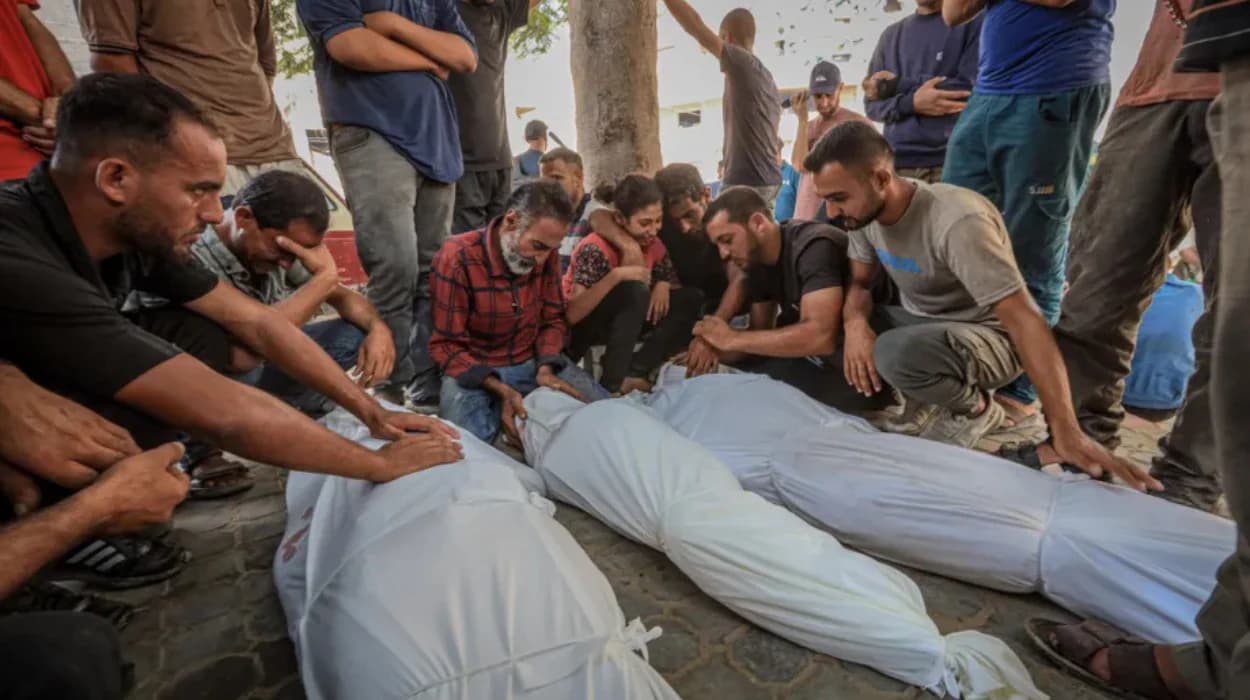
Since October 2023, Israel has murdered around 62,100 Palestinians in Gaza. The famine-stricken enclave has been decimated by the military campaign.
Israeli Prime Minister Benjamin Netanyahu and his former Defense Minister Yoav Gallant were both wanted by the International Criminal Court for war crimes and crimes against humanity in Gaza last November.
Because of its war on the enclave, Israel is also facing a genocide prosecution at the International Court of Justice.
How does Hamas's acceptance of the ceasefire align with Israel's existing military plans?
Accepted by Hamas and brokered by Egypt and Qatar, the ceasefire stipulates a 60-day truce with a progressive exchange of prisoners and access to humanitarian aid. Reducing imminent violence and human suffering is the goal of this stop.
But Israel, led by Prime Minister Netanyahu, is also getting ready for a massive ground invasion by extending deployments and mobilizing 60,000 reservists in preparation for a big offensive to capture Gaza City.
Beyond a mere truce, Israeli military preparations call for seizing Gaza City, disarming Hamas, removing its citizens southward, and imposing security control.