Summary
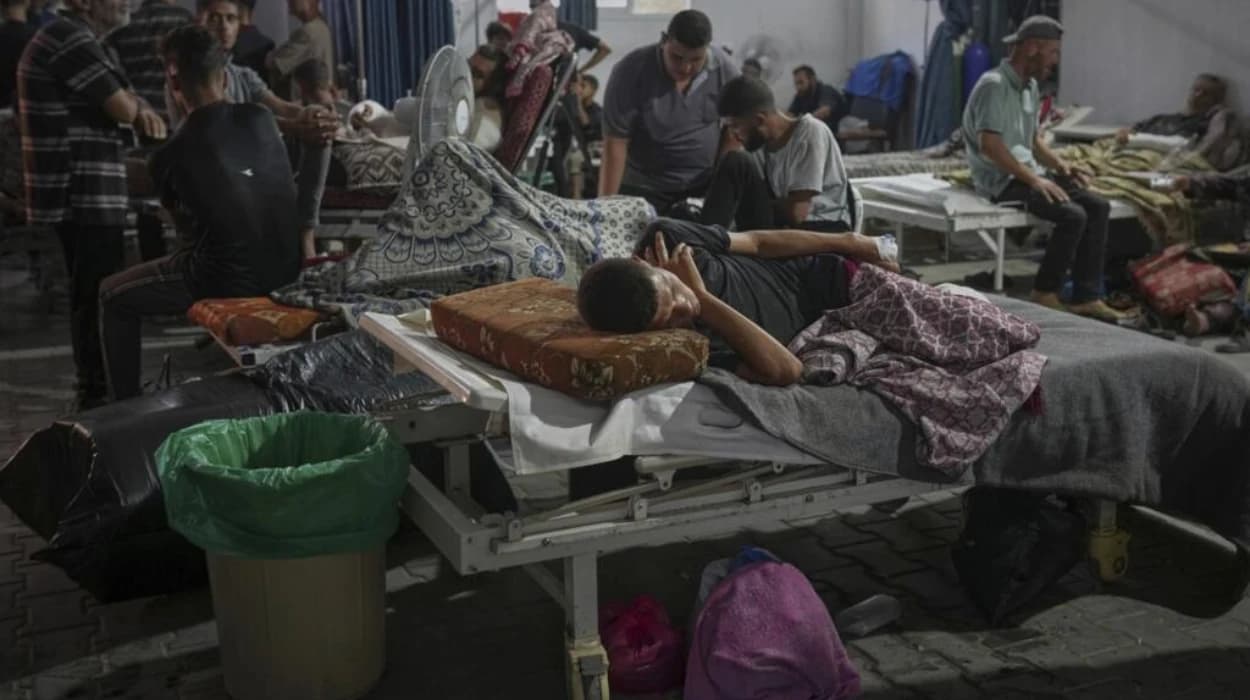
- Gaza’s Al-Shifa Hospital in catastrophic condition.
- Critical fuel, medicine, oxygen shortages persist.
- Dialysis, neonatal units shut from fuel lack.
- Patients treated on floors; many dying.
- Health system crippled by attacks, blockade.
None of the public hospitals in Gaza City, the location of al-Shifa, are completely functional. They are overburdened, even though some are still providing only a few services.
In the Gaza Strip, slightly over one-third of the basic health care facilities and half of the hospitals are only partially operational.
Surgery is done without anesthesia, infections are treated without antibiotics, and more than half of necessary medications are out of stock.
In the northern part of the enclave, bed occupancy rates at al-Shifa and al-Ahli hospitals have skyrocketed to 240 and 300 percent, respectively.
Dr. Mohamad Abu Sulmeyeh, the director of al-Shifa, claims that three paralyzed youngsters who are presently in the hospital are in danger of passing away.
United Nations experts have described the targeted dismantling of Gaza’s healthcare system as "medicine" and are urging the international community to intervene to allow humanitarian aid to enter the enclave.
"The overall health situation remains catastrophic,"
Dr Rik Peeperkorn, the World Health Organization (WHO) representative in the Occupied Palestinian Territories, said during a press briefing.
"We must be able to deliver all essential medicines and medical equipment,"
he said.
"We want to build up reserves and we are hearing talk of more humanitarian supplies being allowed in – but this is not yet the case, or is happening at far too slow a pace."
Peeperkorn described "cumbersome procedures” that block many essential health products from entering the enclave, and are the subject of constant negotiation with the Israeli authorities
The level of malnutrition has become a crisis. As of August 5th, its effects had claimed the lives of 148 individuals, many of them youngsters.
The WHO reported that nearly 12,000 children under five suffered from acute malnutrition in July, the highest monthly number ever. 40 of the 2,562 children with severe acute malnutrition who were hospitalized in stabilization centers are included in this figure.
Health workers have also suffered greatly as a result of the conflict; since May, over 1,500 Palestinian medical personnel have been killed in Gaza. Every day, they go for work with no idea if they would be able to spend the evening with their families.
What are the main causes of the health crisis at Gaza’s largest hospital?
Israeli airstrikes, ground assaults, and military raids have caused extensive physical damage to the hospital infrastructure and medical equipment. Large parts of the complex have been destroyed or severely damaged during attacks, disrupting normal operations.
Due to the Israeli blockade and restrictions on imports, the hospital suffers from critical shortages of fuel needed to power generators. Without fuel, essential equipment including ventilators, ICUs, and operating theaters cannot function adequately.
The blockade and ongoing conflict have led to severe shortages of essential medical supplies such as antibiotics, painkillers, chemotherapy drugs, oxygen, and disposable materials like gloves and sterile equipment.