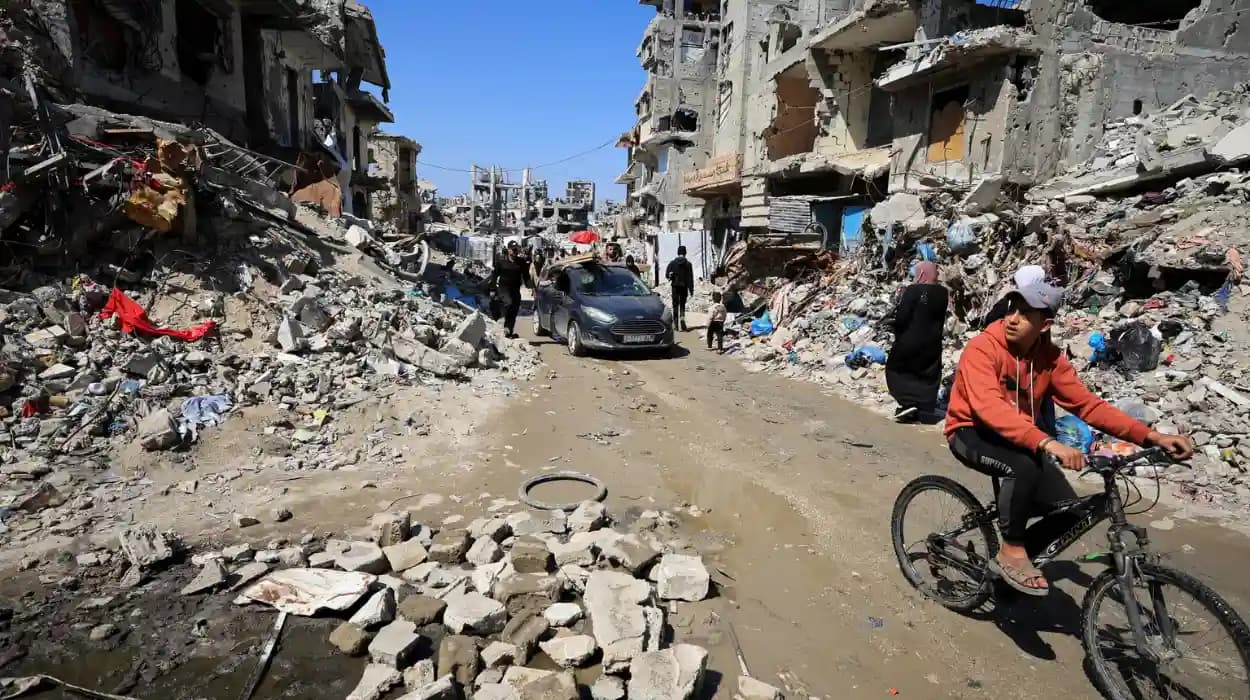
The Israel-Hamas conflict intensifies with severe ramifications for civilians in Gaza, as allegations of Israeli use of commercial drones targeting Palestinian civilians emerge, and internal disputes within Israel rise over plans for Gaza's future. Former Israeli prime ministers and international observers express grave concerns, while humanitarian conditions deteriorate sharply.
Current state of the Israel-Hamas conflict
As reported by Al Jazeera’s team, the conflict between Israel and Hamas has escalated dramatically, with Israeli bombings causing widespread fear among Gaza’s population, including mothers fearing for their children under relentless attacks. Israeli military operations have involved advanced weaponry, including the controversial use of commercial drones for targeting purposes. Investigations by Israeli media outlets such as 972 Magazine and Local Call have revealed that these drones have been used to inflict lethal force on Palestinians, purportedly as a method to deter them from returning to their homes, described chillingly as teaching ‘through blood’.
How have Israeli political figures responded to the situation?
According to Zaheena Rasheed of Al Jazeera, former Israeli prime ministers have publicly criticised the current Israeli Prime Minister Benjamin Netanyahu’s plans concerning Gaza. Specifically, they condemned proposals to establish ‘concentration camps’ or a ‘humanitarian city’ in the Rafah area of Gaza. These ex-leaders view such plans as deeply troubling and potentially violating human rights, creating an amplified discourse within Israel about the legality and morality of its conduct in Gaza.
What are the concerns surrounding civilian casualties and humanitarian conditions?
As outlined by Al Jazeera, Israeli air strikes have caused significant civilian casualties in Gaza. The use of sophisticated weapon systems, including drones, has exacerbated the tragedy faced by ordinary Palestinians. Reports highlight the destruction of homes and infrastructure and the psychological toll on the population, including documented sleeplessness and terror among residents of affected areas. This extensive civilian harm has prompted both local and international calls for investigations and accountability.
International Responses or investigations have been initiated
Internationally, scrutiny has increased. Reuters reported on a BBC documentary controversy related to Gaza, where an internal review found breaches of the British broadcaster’s editorial guidelines regarding accuracy. The documentary, narrated by a 13-year-old connected to the Hamas government, raised questions about impartiality and the portrayal of children’s lives in Gaza. This incident underscores the broader challenges faced by journalists in reporting the conflict accurately amidst propaganda and misinformation.
Conflict Impacting perceptions of media and misinformation globally
The Reuters Institute’s 2025 Digital News Report highlighted by GIJN states that in the current digital era, misinformation poses a significant threat to public trust in news, with online influencers and social media platforms increasingly seen as unreliable sources. This trend is acutely relevant to the Israel-Hamas conflict, where misinformation and propaganda continue to influence public narratives worldwide, complicating efforts for objective understanding.
Are there ongoing peace efforts or diplomatic interventions?
No concrete diplomatic breakthroughs were reported in the latest coverage. However, the escalating violence and humanitarian crisis have attracted condemnation and calls for de-escalation from various international actors. The situation on the ground remains volatile, with civilians caught in the crossfire as strategic military and political decisions continue to evolve.
Broader Context of the conflict’s impact?
Al Jazeera also reported on the wider destruction in the region beyond civilian casualties. Historic sites and infrastructure have suffered, compounding the region’s difficulties. For example, major fires and destruction in other parts of conflict zones signal a broader humanitarian catastrophe, with many structures destroyed, including those vital for community sustenance.
The Israel-Hamas conflict remains a deeply complex and troubling crisis, marked by aggressive military tactics, political controversies, and severe civilian suffering. With Israeli drone use highlighted amid allegations of targeted killings to deter Palestinian residents and former Israeli leaders condemning the government’s plans, the humanitarian toll continues to soar. Media narratives and international response efforts reflect the multifaceted nature of the conflict, underscoring the urgent need for transparent reporting and effective peacebuilding measures.