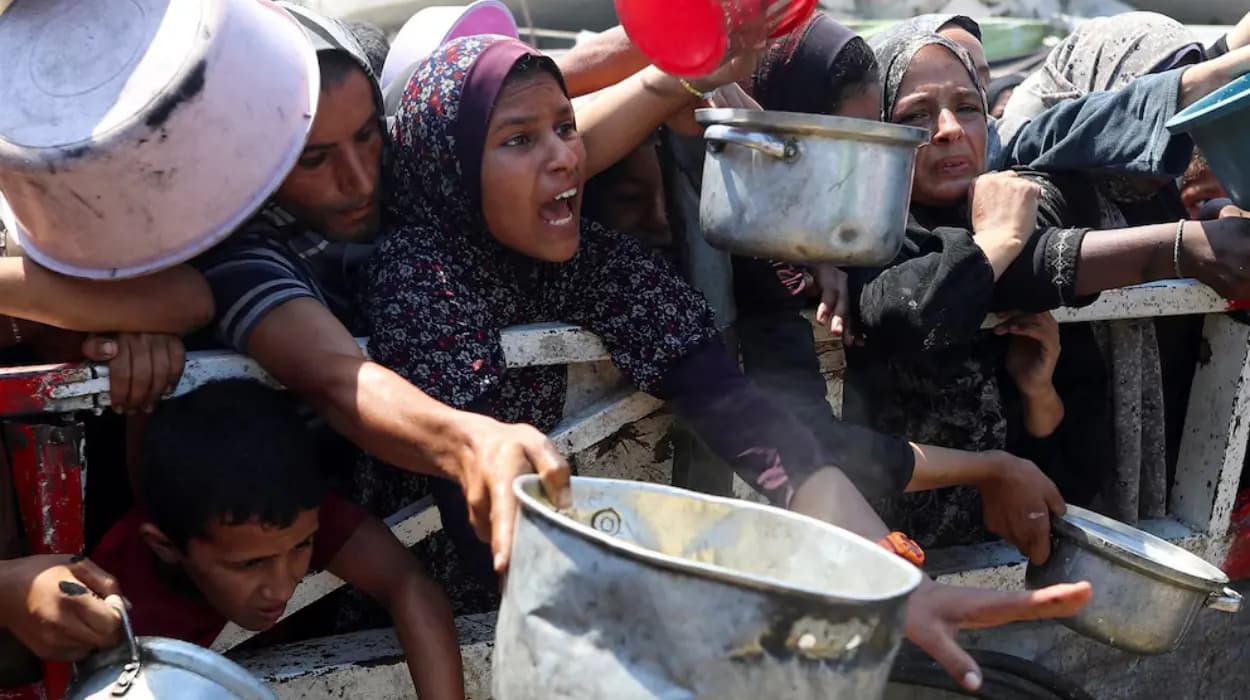
Over 100 humanitarian organisations have issued a stark warning about the risk of "mass starvation" in Gaza due to the ongoing conflict between Israel and Hamas. The aid groups call for immediate humanitarian access and cessation of hostilities to prevent a catastrophic humanitarian crisis.
What is the current situation in Gaza regarding the humanitarian crisis?
As reported by multiple journalists across leading media outlets, the humanitarian situation in Gaza has deteriorated sharply amid Israel's military campaign against Hamas. More than 100 aid organisations have come together to warn of an imminent "mass starvation" crisis, resulting from the blockade and intensified airstrikes severely restricting the supply of food, water, and medical aid into the region. The aid groups emphasise that civilians, especially children, are facing desperate conditions with limited access to basic necessities.
The coalition of aid groups includes established international and local humanitarian organisations working within Gaza and neighbouring countries. Their joint statement highlights that the worsening siege and lack of humanitarian corridors threaten the lives of millions of civilians, potentially pushing the population into widespread famine unless urgent measures are taken.
Why are aid organisations issuing such an alarming warning now?
According to a statement from the coalition shared with the press, the warning is a response to the ongoing blockade imposed by Israel, which has intensified after Hamas's recent attacks and the subsequent Israeli military retaliation. The blockade has effectively sealed off food imports, fuel supplies, and medical aid, crucial for alleviating civilian suffering.
The groups stress that emergency food stocks are nearly exhausted and that health services are on the brink of collapse, with power outages and medical supplies running dangerously low. They call for an immediate lifting of restrictions on humanitarian aid to prevent irreversible damage to the civilian population.
Who are the key players involved in the crisis?
The crisis primarily involves:
- Israel: Conducting military operations against Hamas militants in Gaza and maintaining strict blockade measures on the Gaza Strip to prevent the flow of weapons and resources to the group.
- Hamas: The Palestinian militant group that controls Gaza and has engaged in armed conflict with Israel.
- Aid groups: Over 100 international and local humanitarian organisations including the United Nations' agencies, Red Cross, NGOs, and other relief entities working to provide essentials to the distressed population.
Journalists covering this story have quoted representatives from these groups urging both sides to prioritise civilian safety and allow humanitarian corridors to deliver aid urgently needed.
What are the potential consequences if the situation remains unchanged?
Experts and humanitarian officials quoted in the reports warn that without immediate action, Gaza’s population faces catastrophic food shortages leading to mass starvation. Children, elderly people, and vulnerable groups are at the highest risk. The interruption of clean water and medical supplies further exacerbates the potential for a health disaster, including outbreaks of disease.
The humanitarian organisations underline that continued violence and blockade will deepen the misery, increase displacement, and potentially trigger a regional destabilisation due to the humanitarian fallout.
How are the international community and governments responding?
There have been calls from various governments and international bodies for de-escalation, protection of civilians, and unfettered access for humanitarian aid. However, reports indicate that diplomatic efforts to arrange ceasefires or humanitarian pauses remain complex and fraught with political challenges.
The aid groups urge all parties involved to uphold their responsibilities under international humanitarian law, allowing safe passage for aid and protecting civilian lives. Echoing these demands, the United Nations and certain member states have voiced their alarm and called for urgent negotiations.
What do humanitarian leaders say about the urgency of this crisis?
In statements shared by journalists from both NGO sources and international agencies, humanitarian leaders express profound concern about the scale of suffering. They emphasise that starvation is not just a possibility but a rapidly approaching reality. They warn that mass starvation in Gaza would represent a grave failure of the international community to protect vulnerable populations in conflict zones.
What next steps are being proposed or recommended?
The aid coalition calls for the immediate lifting of the blockade and establishment of humanitarian corridors for food, water, medical supplies, and fuel. They also demand a ceasefire to allow safe access for relief operations and to halt the civilian toll of the conflict.
Longer term, the organisations advocate for renewed efforts in conflict resolution and reconstruction to address the root causes and prevent repeated crises in Gaza.
Over 100 aid groups, according to numerous media reports, sound the alarm on an impending "mass starvation" crisis in Gaza amid the Israeli-Hamas conflict. The combination of military conflict and a crippling blockade is pushing the civilian population to the brink of famine. All sides are urged to enable humanitarian access and halt violence to avert a humanitarian catastrophe affecting millions of people in Gaza. The international community continues to monitor and press for urgent actions to address this dire crisis.