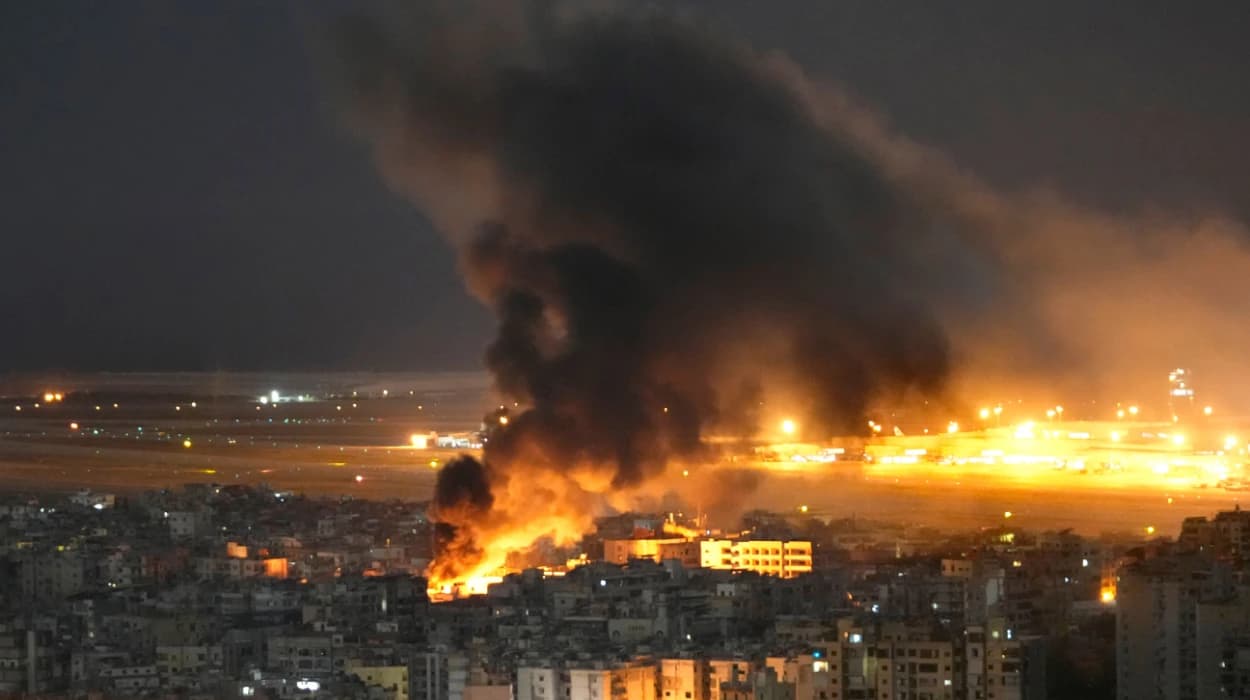
Israeli forces launched targeted operations in Lebanon aimed at Hezbollah militants following increased cross-border hostilities, escalating regional tensions. The strikes included precise bombings with Israel citing threats from Hezbollah’s arsenal, while Lebanon condemned the attacks as violations of sovereignty.
What Triggered Israel’s Recent Operations in Lebanon?
As reported by Al Jazeera correspondent Lyndal Rowlands, the Israeli military launched air and artillery strikes targeting Hezbollah positions in southern Lebanon after intelligence indicated imminent threats to Israeli security. The strikes were conducted following a series of rocket launches from Lebanon into northern Israel, which Israeli officials held Hezbollah responsible for orchestrating.
The Israeli government, citing security concerns, stated that its operations aimed to degrade Hezbollah’s capabilities to carry out cross-border attacks. Israeli spokespersons said the response was measured but firm, signalling a clear warning to Hezbollah and its Iranian backers about the costs of aggression.
Who Is Hezbollah and Why Is It Being Targeted?
Hezbollah, a Lebanese Shia Islamist militant group and political party, has long been considered a major regional actor backed by Iran and Syria. It is designated a terrorist organisation by Israel and several Western countries. According to multiple reports, including those from Reuters, Hezbollah maintains a substantial arsenal of rockets and missiles positioned in southern Lebanon, a strategic threat for Israel.
The group’s involvement in cross-border skirmishes and support for Palestinian factions in Gaza has made it a frequent focus of Israeli military campaigns. Israel’s recent operations form part of a continuous strategy to contain Hezbollah’s threat by disrupting its military infrastructure.
How Did Lebanon Respond to the Israeli Strikes?
Lebanese authorities condemned the Israeli operations as blatant violations of Lebanese sovereignty. The government and Hezbollah both accused Israel of escalating tensions unnecessarily. UNIFIL (United Nations Interim Force in Lebanon) officials called for restraint from all parties to prevent a wider conflict, underscoring the fragile ceasefire established following the 2006 Lebanon war.
The Lebanese Red Cross reported casualties from the strikes, raising concerns over civilian safety in border villages. Humanitarian organisations have urged both sides to avoid actions that endanger civilians and exacerbate suffering in a region already under strain.
Regional and Global Impact of These Operations
The conflict between Israel and Hezbollah has significant implications for regional stability. As discussed in the analysis by Kester Kenn Klomegah in IDN-InDepthNews, escalating violence risks drawing in other regional actors, including Iran and Syria, complicating already volatile Middle Eastern geopolitics. Analysts warn that continued hostilities could disrupt efforts for peace and increase humanitarian crises, particularly given ongoing conflicts in Gaza and Syria.
Moreover, the international community, including the UN, has expressed deep concern over the potential for a broader war. Diplomatic efforts focus on dialogue and conflict de-escalation to prevent civilian casualties and maintain the 2006 ceasefire line along the Blue Line monitored by UNIFIL.
Main Latest Facts and Figures
- The Israeli military confirmed three of its soldiers were killed in an explosion in northern Gaza around the same timeframe as the Lebanon operations.
- Israeli strikes in southern Lebanon targeted rocket storage and launch sites attributed to Hezbollah militants.
- Civilian casualties in southern Lebanon were reported, but precise figures vary due to the ongoing situation and restricted access to impacted areas.
- Lebanese media and officials have decried the attacks as aggressive moves aimed at destabilising Lebanon.
Media Reporting on This Conflict
The events have been covered extensively by multiple media outlets, each emphasising factual developments while noting the complexities involved:
- Al Jazeera provides live updates detailing the sequence of Israeli attacks and Lebanese responses, highlighting humanitarian concerns.
- Reuters Institute’s 2025 Digital News Report discusses the growing challenge of misinformation in conflict zones such as this, emphasising the need for reliable journalism to avoid inflaming tensions inadvertently.
- International news agencies stress the importance of adhering to neutral reporting standards, ensuring all statements are accurately attributed to official or eyewitness sources.
Expected Next Steps in This Conflict
Experts suggest that Israel’s operations may lead to a temporary setback for Hezbollah’s military capabilities but warn this could trigger retaliatory attacks and prolong instability. The situation requires careful monitoring by international actors to support diplomatic engagement.
UNIFIL and other peacekeeping bodies continue their efforts to maintain the ceasefire, while calls grow for renewed peace talks addressing longstanding political grievances that fuel cycles of violence between Israel and Lebanon.
The Israeli operations against Hezbollah in Lebanon mark a significant escalation with profound regional implications. As Israel confronts what it cites as clear security threats, Lebanon experiences the harsh realities of cross-border conflict. The international community faces an urgent task in seeking to stabilise the situation, prevent civilian harm, and promote lasting solutions in a historically volatile region.