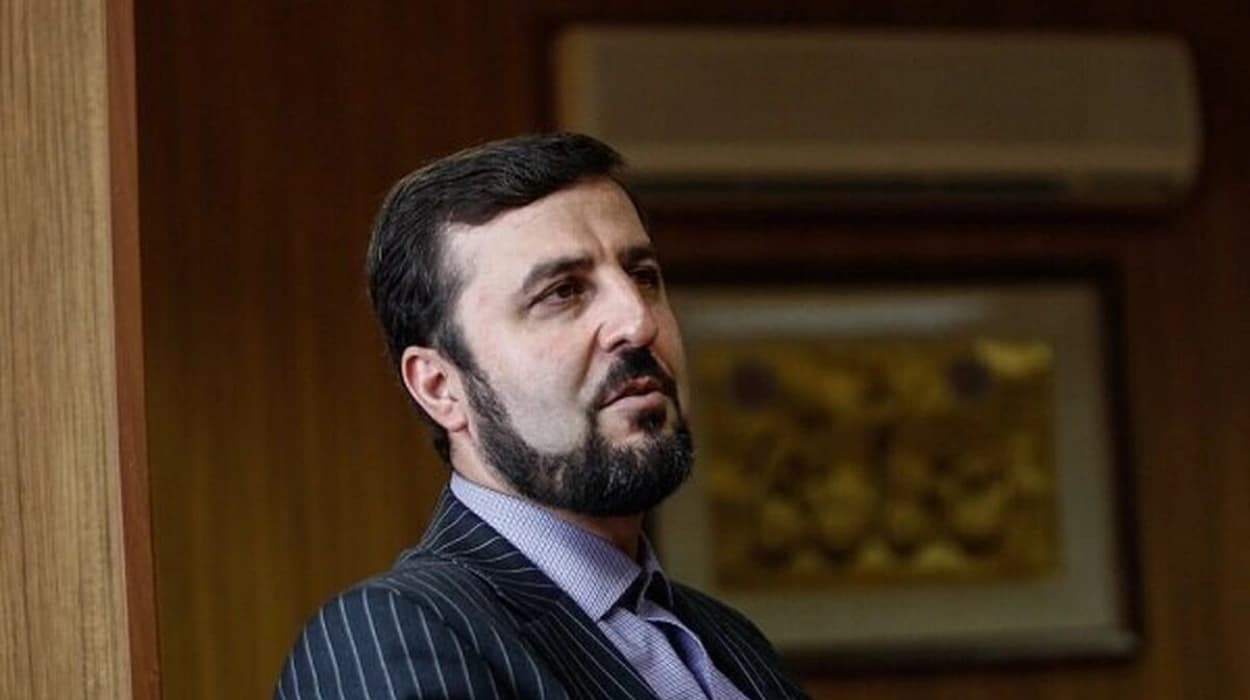
Iran has publicly condemned the Vice President of the International Court of Justice (ICJ) for what it describes as a "shocking breach of ethics" and bias in favour of Israel. This condemnation follows the ICJ VP's statements perceived as supportive of Israel in ongoing disputes, with Iran accusing him of undermining the court's impartiality.
Iran Reaction on ICJ Vice President Over Support for Israel
Iran has issued a strong condemnation of the International Court of Justice (ICJ) Vice President, accusing him of a “shocking breach of ethics” for openly backing Israel, according to reports by Al Arabiya News on August 15, 2025. This denunciation points to concerns over the impartiality and ethical conduct expected of international judicial figures.
Key Statements and Allegations
As reported by Al Arabiya's correspondent, Iran's Ministry of Foreign Affairs spokesperson said,
“The ICJ Vice President has grossly violated the principles of neutrality and impartiality by publicly supporting Israel,”
branding it as a
“clear violation of judicial ethics and the rule of law.”
The statement underscored the severity with which Iran views the Vice President's actions, suggesting that such behaviour compromises the integrity of the world's highest court.
The spokesperson warned that Iran
“will take all appropriate measures to address this misconduct,”
signalling potential diplomatic or legal responses. Moreover, the Iranian official stressed that this incident damages the credibility of the ICJ and threatens global faith in international legal institutions.
Context of the Controversy
According to Middle East Eye journalist coverage dated August 15, 2025, the controversy emerged when the ICJ Vice President made remarks perceived as supportive of Israeli actions and policies amid ongoing regional conflicts. These remarks have been criticised by Iranian officials as biased and politically motivated rather than legally grounded.
This marks a significant escalation in tensions regarding international judicial conduct, with Iran positioning itself firmly against perceived Western-backed biases within global governance systems. The ICJ, tasked with settling disputes between states impartially, now faces scrutiny over its internal leadership's adherence to principles of fairness.
International Implications and Reactions
The condemnation from Iran has sparked diplomatic ripples, with observers watching closely to see how the ICJ and international community respond. The Vice President’s remarks, combined with Iran’s sharp rebuke, raise questions about the future of impartial international adjudication on MiddleEastern affairs.
Though not immediately responding with an official statement, legal experts quoted by Middle East Eye noted that any indication of partiality from a high-ranking ICJ official could undermine the court’s authority and provoke calls for internal review or disciplinary action.
Significance for Middle East Legal and Political Dynamics
This incident comes at a sensitive time when international courts are increasingly involved in addressing conflicts involving Israel and its neighbours. Iran’s public condemnation highlights the persistent divisions that challenge not only political diplomacy but also the frameworks of international law.
As noted by Al Arabiya, Iran's stance reflects broader frustrations with what it perceives as a trend of judicial and diplomatic bias favouring Israel, which it contends undermines efforts to attain justice and peace in the region.
This detailed condemnation by Iran against the ICJ Vice President emphasises the profound tensions between national interests and the ideals of impartial international justice. The situation underscores the critical importance of judicial ethics and neutrality in maintaining trust in global legal institutions.
The developments remain ongoing, with further reactions from the ICJ and global legal bodies anticipated. For now, Iran’s unequivocal stance sends a clear message challenging the ethical conduct of senior ICJ figures amid one of the most complex geopolitical disputes of our time.