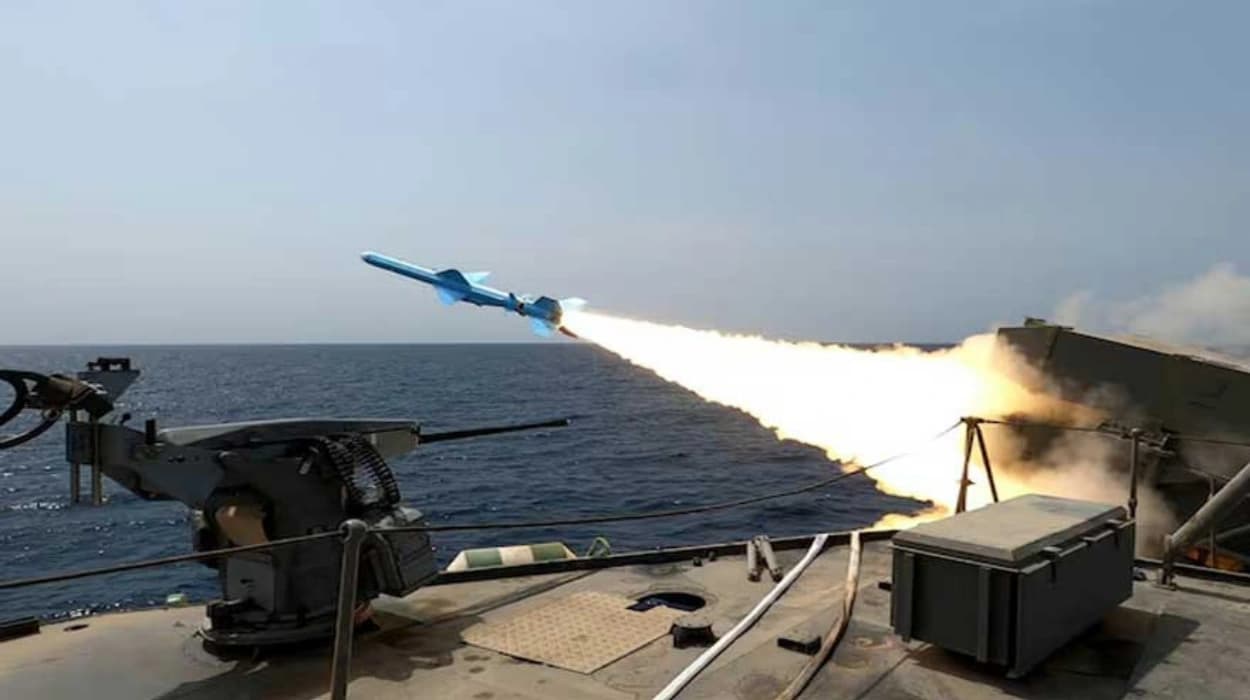
Iran has launched its first large-scale naval military exercises since the 12-day war with Israel in June 2025, firing cruise missiles and drones in the Gulf of Oman and the Indian Ocean to demonstrate sustained military capability and deter future threats. The extensive drills highlight Tehran’s determination to project power and strengthen defence readiness amid heightened regional tensions following Israel’s deadly strikes on Iranian military and nuclear sites.
Iran Resumes Naval Drills After Conflict with Israel
As reported by the Times of Israel on August 21, 2025, Iran conducted its first solo military exercise since the end of its 12-day war with Israel, named "Sustainable Power 1404," involving naval vessels launching missiles at sea targets in the Gulf of Oman and the Indian Ocean. State television indicated that the drills featured cruise missile launches and drone operations, symbolising Tehran's efforts to project strength despite its military setbacks during the war.
Similarly, The Independent detailed how the Iranian frigate IRIS Sabalan and a smaller vessel, IRIS Ganaveh, fired active cruise missiles named Nasir and Qadir, successfully striking targets at sea, supplemented by coastal missile batteries as part of the exercise. The Iranian navy's operations primarily patrol the Gulf of Oman, Indian Ocean, and Caspian Sea, with the Iranian Revolutionary Guard Corps controlling the Persian Gulf and Strait of Hormuz.
These drills emphasize Iran's growing strategic naval presence beyond its coastal waters, a point underscored by footage released amid the exercise, showcasing simultaneous missile and drone strikes on surface targets in open water.
Details and Significance of “Sustainable Power 1404”
The two-day drill, covered by WANA News Agency on August 22, 2025, involved surface and subsurface units, aerial squadrons, coastal missile sites, and electronic warfare components. The navy fired Nasir and Qadir cruise missiles, the coastal Qader anti-ship missiles, and deployed the Bavar-5 strike drone to destroy multiple predetermined targets in the northern Indian Ocean and the Sea of Oman. Rear Admiral Abbas Hassani, exercise spokesperson, claimed all operational objectives were accomplished, highlighting the drill’s role in improving missile and drone capabilities, electronic warfare, and multi-unit coordination. He stated:
“This phase of the exercise aimed to enhance missile and drone capabilities, conduct electronic warfare training, and increase coordination among units. It demonstrated that the Iranian Navy is operating at the highest level of combat readiness.”
Arab media outlets including Al-Arabiya 24 and Al-Manar interpreted the drill as a clear message from Tehran about its readiness to counter threats, reporting that Iran deployed missiles more advanced than those used during the recent conflict, with a reported 90% success rate in penetrating enemy defences. Iranian Defence Minister Brigadier General Aziz Nasirzadeh emphasized the significance of this improvement.
Background: The 12-Day Iran-Israel War
The 12-day war between Iran and Israel erupted on 13 June 2025 and ended with a ceasefire on 24 June 2025, as summarized by Wikipedia and the Encyclopaedia Britannica. The conflict, also known as the Twelve-Day War, began with a surprise Israeli operation targeting Iranian nuclear and military sites. Israeli air and ground forces assassinated prominent Iranian military leaders, including Hossein Salami, head of the IRGC, and Mohammed Bagheri, chief of staff of the armed forces, while also causing heavy damage to key facilities such as the uranium enrichment complex at Natanz and air defence systems.
In retaliation, Iran launched over 550 ballistic missiles and more than 1,000 suicide drones against Israeli cities and military targets, and Iran-aligned Houthis fired missiles towards Israel. The United States intervened by bombing major Iranian nuclear sites and was itself targeted by Iranian missile strikes. The conflict, marked by intense missile barrages and airstrikes on both sides, ended with a US-brokered ceasefire on 24 June.
Iran’s Naval Role and Strategic Focus Post-War
According to a report by Reuters and Yahoo News, Iran’s navy, numbering some 18,000 personnel and based out of Bandar Abbas, generally patrols waters beyond the Strait of Hormuz, leaving the Persian Gulf to the Revolutionary Guard's naval forces who are known for their aggressive posture against Western vessels. The recent exercises signal Iran's naval readiness to defend its interests across wider regional waters, particularly in light of increasing Western naval patrols and the recent cumulative pressure from the conflict with Israel.
The drills came about a month after an Iran-Russia joint naval exercise in the Caspian Sea, demonstrating Tehran's intent to enhance deterrence and military preparedness through regional and international military cooperation.
Regional and International Impact
The timing and scale of these naval drills send a signal both regionally and internationally. Western media widely covered the drills as part of Iran’s strategic messaging to its adversaries, especially Israel and the United States, amid ongoing tensions over Iran's nuclear ambitions and regional influence. US President Donald Trump has publicly threatened further strikes against Iran if it revives its uranium enrichment programme, elevating the risk of future conflicts.
The Iranian military showcased its capabilities with coordinated multi-platform attacks during the drills, underscoring potential future deterrent strategies to respond swiftly to any Israeli or Western action. As highlighted by Al-Arabiya and other Arab outlets, Iran's demonstration of missile sophistication and readiness points to a long-term commitment to securing its maritime borders and interests.
Iran’s recent naval exercises mark its first major military demonstration since the short but intense conflict with Israel in June 2025. Featuring high-profile missile and drone strikes in open waters, the drills underscore Tehran’s desire to project power and readiness to counter potential threats. The exercises come amid a backdrop of escalating regional tensions, lingering hostilities from the recent war, and international concern over Iran’s military capabilities and nuclear ambitions. Tehran’s messaging through "Sustainable Power 1404" reveals an Iran determined to bolster its defensive and offensive maritime strength amidst complex geopolitical challenges.