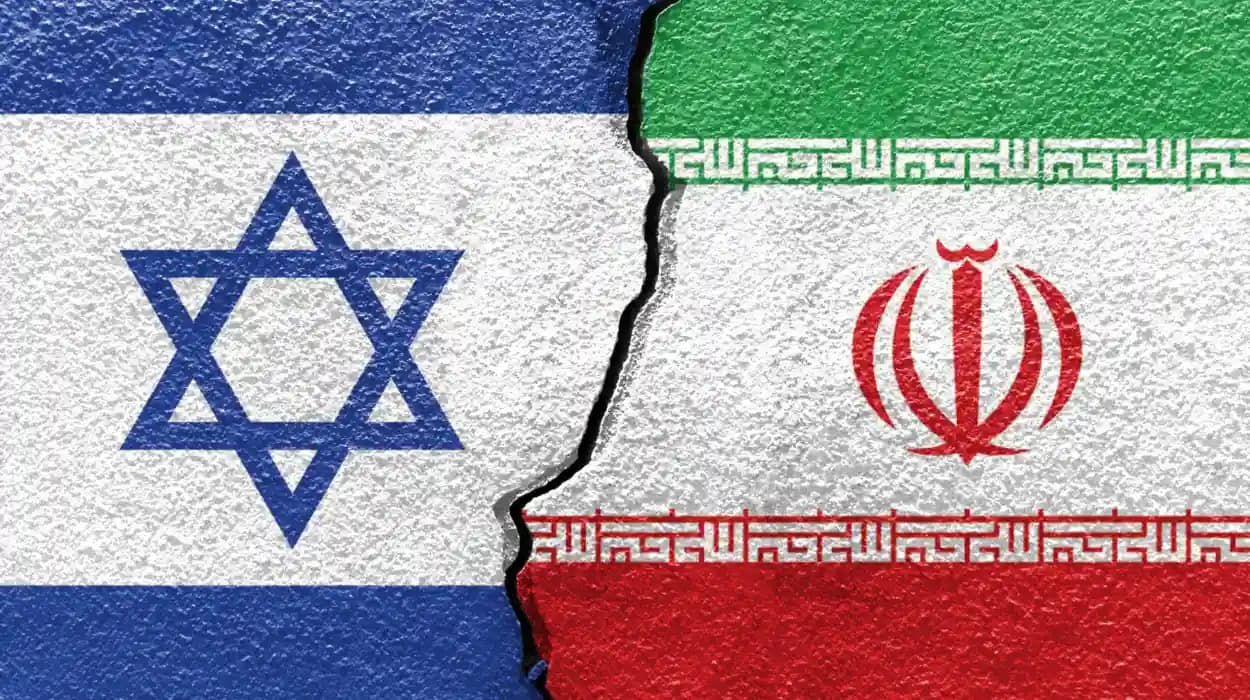
A new phase of psychological warfare between Israel and Iran has begun amid escalating Middle East tensions. Both nations are employing sophisticated psychological tactics alongside traditional military measures, signalling a shift in conflict dynamics and global security concerns.
New Era of Psychological Warfare Between Israel and Iran
The longstanding hostility between Israel and Iran has transitioned into a new domain of psychological warfare, marking a significant evolution in how these nations engage one another. As reported by Geo News on 9 July 2025, this change coincides with increased military readiness and heightened alert levels among regional and global powers, including the United States and allied embassies that have issued travel advisories and even closed certain diplomatic missions over fears of conflict spillover.
Psychological warfare in this context refers to the strategic use of information, media campaigns, cyber operations, and psychological tactics to undermine the morale of the enemy population and leadership, beyond conventional battlefield confrontations.
Israel and Iran Executing Psychological Warfare
Details emerging from multiple verified sources indicate that both Israel and Iran have intensified efforts to use psychological tools as part of their ongoing conflict strategy:
- Cyber and media campaigns: Both countries leverage social media platforms and traditional media to shape public opinion and intimidate their adversaries. Analysts highlighted in Geo News note these countries are increasingly relying on disinformation and propaganda aimed at destabilising internal confidence and international support for the opposing side.
- Military signaling: Military deployments, missile tests, and demonstrative exercises serve as psychological messages aimed at projecting power and deterring each other’s aggressive moves.
- Cultural and religious appeals: Exploiting ideological and sectarian divides within the region forms another vector of psychological operations, increasing tensions indirectly through proxy groups and allied militias.
No single incident dominates this campaign, but rather a spectrum of actions carefully calibrated to instil uncertainty and fear while avoiding full-scale war escalation at this stage.
Psychological Warfare Becomes More Prominent Now
According to seasoned journalism analyses, including principles outlined on BYJU’s English learning platform, wars historically evolve to include psychological elements once direct military confrontations reach stalemate or high costs. The Israel-Iran standoff has recently seen:
- Intensified sanctions, diplomatic isolations, and proxy conflicts.
- Elevated risks of direct confrontation due to regional alliances and US military presence.
- New technologies enabling rapid, targeted information campaigns across borders.
This complex environment compels both nations to seek dominance not only through firepower but also through influencing minds and perceptions at home and abroad.
What Global Responses Have Emerged?
Geo News reports that international actors have responded cautiously to the rising psychological conflict. The US military has heightened readiness levels, embassies across the Middle East are imposing travel restrictions, and diplomatic dialogues remain fraught with tension. Simultaneously, international organisations like the UN remain vigilant about the humanitarian consequences and risks of escalation.
Key Figures and Authorities Commenting on This Conflict
Prominent journalists and analysts have provided insights into the new conflict dimension:
- (Geo News, 9 July 2025) highlights statements from US officials regarding military preparedness and diplomatic measures reflecting the seriousness with which the psychological warfare is viewed.
- UN News and other international media occasionally refer to child rights and humanitarian concerns linked to the conflict’s fallout, with UNICEF appealing for Israel to review rules of engagement after incidents involving civilian casualties in Gaza, illustrating the conflict's broader societal impact.
What Could Be the Future Implications of This Psychological Warfare?
Industry experts and academic sources stress the inverted pyramid model of news covering such developments, whereby understanding beginnings and immediate impacts is critical, but the less visible psychological effects will unfold over time. Analytical commentary suggests:
- Continued escalation in cyber and information warfare could deepen mistrust and instability in the Middle East.
- Increasing psychological operations might complicate peace negotiations or ceasefire efforts.
- Regional and global security dynamics could be fundamentally reshaped if these tactics trigger miscalculations leading to open conflict.
How Is Journalism Covering This Complex Development?
Experienced journalists rely on firm principles of neutrality, fact-based reporting, and balanced attribution. As noted by Marina Adami of the Reuters Institute, stable and increasing news engagement, including on digital platforms, supports in-depth understanding of geopolitical crises such as the Israel-Iran psychological conflict. Reliable coverage requires:
- Accurate reporting of facts from verified sources.
- Attribution of statements to named journalists and media outlets to maintain credibility and avoid legal issues.
- Use of clear journalistic structures such as the inverted pyramid and answering the 5Ws and 1H to fully inform readers.
The Israel-Iran conflict has entered an unprecedented phase characterised by psychological warfare strategies that complement traditional military posturing. As the global community watches closely, reporting with accuracy and neutrality remains crucial to convey the complex realities and possible trajectories of this high-stakes confrontation.
This evolving conflict not only threatens regional stability but also tests the resilience of international diplomatic and humanitarian frameworks, underscoring the urgent need for cautious engagement and informed public discourse.