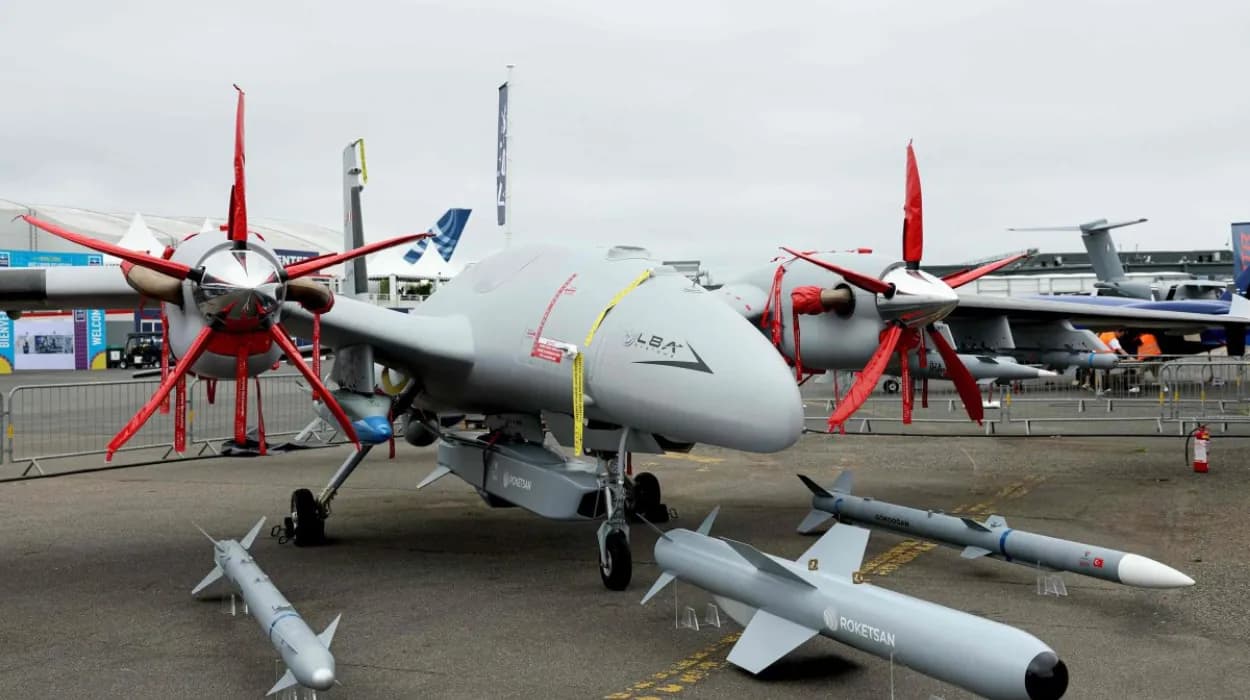
Türkiye faces acute security, economic, and political risks should hostilities between Israel and Iran reignite, with government and opposition leaders urging intensified military preparation and diplomatic engagement. The country’s leadership, notably President Recep Tayyip Erdoğan, is strengthening border security, defence capabilities, and diplomatic outreach while warning of dire regional consequences if war resumes.
Türkiye on Alert as Israel-Iran Conflict Threatens to Engulf Region
As warned by Daily Sabah’s recent report, Türkiye must pursue a comprehensive, multifaceted strategy to withstand the fallout from any renewed conflict between Israel and Iran. President Recep Tayyip Erdoğan and Turkish officials have publicly emphasised that the repercussions of such a war would not only pose direct threats to national security, energy supply, and demographic stability, but also risk drawing Türkiye into broader regional instability. This view finds broad support across Turkish political, strategic, and academic circles.
Why Is Türkiye Concerned About Another Israel-Iran Flare-Up?
As reported by TRT World, President Erdoğan underscored at a public event in Ankara that Türkiye is
"making intense efforts to prevent attacks by Israel and its supporters against Iran from turning into a greater disaster."
He maintained that
"Ankara never condones attacks against Iran’s sovereignty and the security of [the] region,"
adding:
“We clearly express our reaction.”
President Erdoğan stressed to Iranian Foreign Minister Abbas Araghchi, during talks in Istanbul, that
“the region cannot endure another war,”
and called for immediate diplomatic efforts to quell Israeli aggression.
Germany has also recognised Türkiye's "important role" in working to resolve the Iran-Israel crisis, citing Erdoğan’s outreach to international partners including Germany and the US. German officials have praised Türkiye as a key interlocutor amid efforts to contain the conflict and revive nuclear diplomacy.
Is Türkiye Strengthening Its Defences Due to the Israel-Iran War?
According to Paul Iddon of Forbes, during Israel’s air campaign against Iran in June, President Erdoğan accelerated Türkiye’s military build-up by expanding the country’s arsenal of ballistic missiles and advancing its indigenous air defence programmes. Erdoğan remarked,
“With God’s will, we will soon achieve a defence capability so formidable that no one will dare to challenge us.”
Türkiye is rapidly developing medium- and long-range missile inventories, an integrated “Steel Dome” air defence network, and rapid-reaction air operations. These steps aim to guarantee deterrence amid fears of spillover and to maintain regional balance.
A Turkish Defence Ministry official told Reuters that Ankara was maintaining a high state of operational readiness along its eastern border with Iran. Security patrols using domestically produced radar and air systems are now routine, and the military stands ready to counter airspace violations or potential refugee influxes, according to anonymous sources cited by Turkish Minute and Reuters.
How Do Turkish Political and Security Establishments View the Risks?
Migration, Energy, and Domestic Security
As detailed by Al Majalla, a collapse in regional order could trigger mass migration from Iran to Türkiye, imperil critical energy corridors, and embolden separatist or terrorist groups—particularly given Iran’s historic ties to Kurdish factions. Turkish authorities emphasise their determination to prevent irregular migration.
Nationalist Movement Party leader Devlet Bahçeli warned in IranWire that Israel’s manoeuvres aim to "geopolitically siege Anatolian territory," while Victory Party deputy Fikret Bayer objected to alarmist scenarios but admitted domestic politics could further complicate crisis management. Meanwhile, international security experts like Naim Babüroğlu predict substantial population flows into Türkiye if the Iranian state further destabilises, with risks extending from migratory surges to economic destabilisation and increased tension along ethnic fault lines.
Economic Fallout: Energy and Inflation Under Threat
As highlighted by World Politics Review, any fresh confrontation would hit Türkiye’s already fragile economy. The country is highly dependent on imported oil and gas, and surging global prices have aggravated domestic inflation, threatening economic recovery efforts. The conflict jeopardises Türkiye’s ambitions to become a regional energy hub if transit pipelines are disrupted or major suppliers like Iran are cut off.
What Are the Strategic and Long-term Dilemmas for Ankara?
According to expert analysis in Daily Sabah (columns) and SETA, Türkiye’s strategic stance rejects both Israel’s impunity and Iran’s pursuit of nuclear arms. Ankara sees the Israeli-Iranian conflict as symptomatic of "military hegemony and regional destabilisation" and warns that normalising conflict as a policy tool would force Türkiye into ceaseless crisis management. While Ankara stands firmly against Israeli aggression, it simultaneously opposes Iran’s nuclear ambitions, advocating for a nuclear-free Middle East using regional and international mechanisms.
Can Türkiye Act as a Mediator or Power Broker?
Diplomatic sources and TRT World coverage indicate that Erdoğan is promoting Türkiye as an honest broker, calling for an immediate return to high-level diplomacy between Iran and the United States. Ankara continues to position itself as an advocate for regional dialogue, balancing condemnation of Israeli "aggression" with appeals for de-escalation and non-proliferation.
Is There Consensus Inside Türkiye?
Although most government and security officials agree that war would prove disastrous, Turkish media reveal a spectrum of opinions across the political divide. Some leaders in Ankara urge tougher steps against Israel and warn that the conflict could ultimately threaten Türkiye itself, while others question if the risks are being overstated for domestic political gain. Analysts predict indirect threats—political pressure, internal ethnic strife, migratory crises—are more likely than direct military engagement. Rear Admiral Cihat Yaycı argued Israel and the US could use these crises to pressure Türkiye on Kurdish autonomy ("Greater Kurdistan") in ways that might destabilise the Turkish state over the longer term.
What Comes Next for Türkiye if Hostilities Resume?
The consensus, as summarised in reports by Daily Sabah, TRT World, and Paul Iddon for Forbes, is that Türkiye must remain vigilant. The nation is preparing for unforeseen contingencies through a multi-pronged approach: enhancing its missile and air defence capabilities, reinforcing border security, working to stabilise the lira and safeguard energy supplies, and taking a proactive diplomatic role. Erdoğan insists on both “formidable deterrence” and renewed diplomacy as Türkiye’s shield against escalation.
As the spectre of another Israel-Iran war looms, Türkiye is bracing for its fallout on every front—military, economic, political, and humanitarian. President Erdoğan’s urgent diplomatic outreach and military initiatives reflect widely shared anxieties that no nation can afford for the regional order to collapse further. The call for durable peace and proactive preparation now dominates both government policy and public discourse.