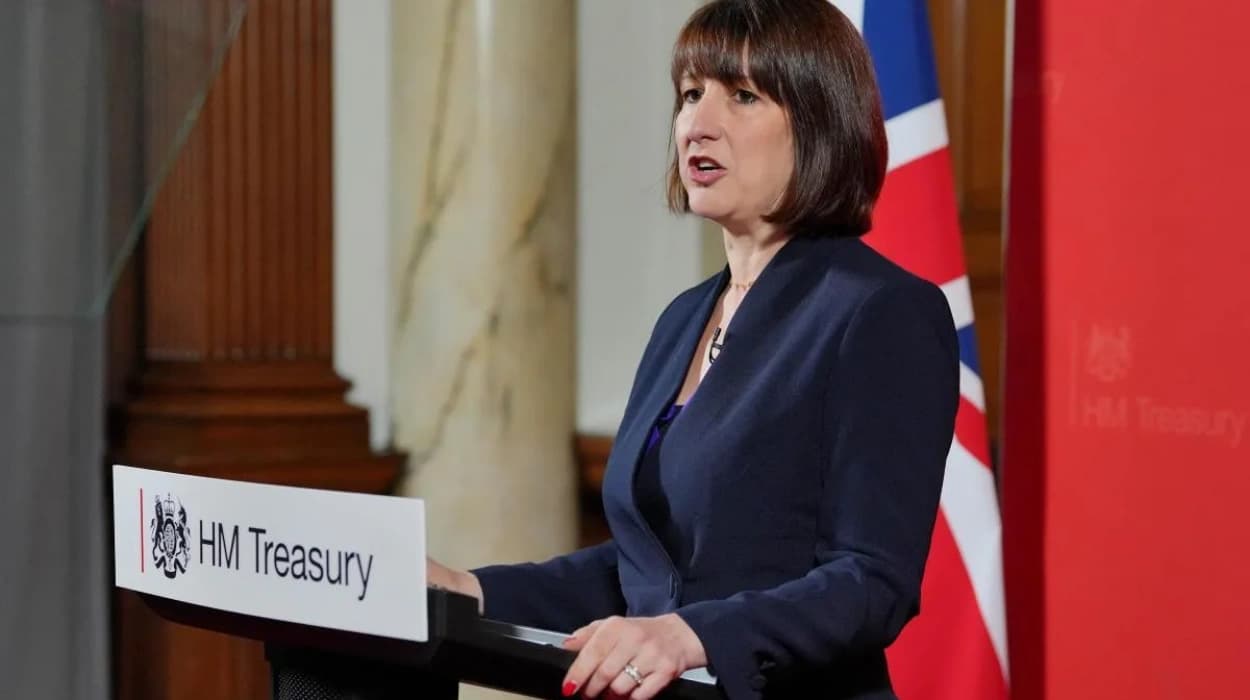
Rachel Reeves announces salary-sacrificed pension contributions above £2,000 will face national insurance charges, sparking debate over retirement savings.
It is anticipated that the action, which takes effect in April 2029, will raise almost £4 billion during that fiscal year.
Employees can choose to forfeit a portion of their wages in exchange for their employer contributing an equivalent sum to their pension through salary sacrifice plans.
Since it is deducted from a worker's gross pay before taxes are computed, the portion of the salary that is forfeited is now exempt from income tax and national insurance.
Employers gain from the schemes as well because they are exempt from paying national insurance on the employee's sacrifice.
Additionally, some firms decide to include this savings in their workers' pensions.
However, under the new regulations, donations over £2,000 will be liable to both employer and employee national insurance contributions since they will be regarded as regular employee pension contributions.
The chancellor informed the Commons that the "treble in cost from £2.8bn in 2017 to £8bn by 2030" was the reason for the salary sacrifice for pensions.
She said that the
"greatest benefit" would go to "higher earners or to those in the financial services sector putting their bonuses into pensions tax-free, while those on the minimum wage or whose employers don't offer salary sacrifice don't benefit at all" .
Ms Reeves said:
"This is not sustainable for the public finances, putting pressure on the tax everyone else pays, and so I am introducing a £2,000 cap on salary sacrifice into a pension with contributions above that taxed in the same way as other employee pension contributions."
She added:
"That is a pragmatic step so that people, especially on low and middle incomes, can continue to use salary sacrifice for their pension without paying any more tax than they do now. And to give individuals and employers time to adjust to these new arrangements, these changes will come into effect in 2029."
According to the Society of Pensions Professionals (SPP), about 10% of employees in the public sector utilize a salary-sacrifice plan, whereas around one-third of employees in the private sector do.
Salary sacrifice arrangements cost the government £4 billion to £1.2 billion for individuals and £2.9 billion for employers, according to the report but there was also
"widespread recognition that this is a positive investment that incentivises pension saving."
Because the primary rate of national insurance contributions is 8% for employees but only 2% for incomes beyond £50,270, the SPP claimed that the move would have a greater impact on basic rate taxpayers than higher rate taxpayers.
How will employers likely change pension offerings after the cap?
Numerous employers may limit payment immolation schemes to the new £2,000 threshold to avoid the fresh National Insurance costs associated with benefactions above this quantum. Some may redesign benefits packages to compensate workers with advanced direct pay rather than enhanced pension benefactions beyond the cap.
Employers might encourage workers to increase their particular pension benefactions outside payment immolation arrangements to maintain withdrawal savings. There could be increased interest in flexible or cold-blooded savings plans that combine pension benefactions with other savings vehicles to optimize duty effectiveness.
Employers less likely to offer payment immolation schemes presently, might be reluctant to apply new pension saving impulses due to added complexity and cost.bEmployers will balance managing cost increases with retaining and motivating workers through competitive withdrawal benefits.