Germany warns EU states that opposing a Ukraine reparations loan backed by Russian assets could trigger higher borrowing costs, and financial instability.
Although Krichbaum did not specifically address other financing options, the European Commission had earlier proposed bilateral grants and joint EU borrowing as backup plans for the €210 million loan program.
“Any country that now rejects this proposal for a reparations loan must also be aware that this is likely to have a negative impact on its credit rating,”
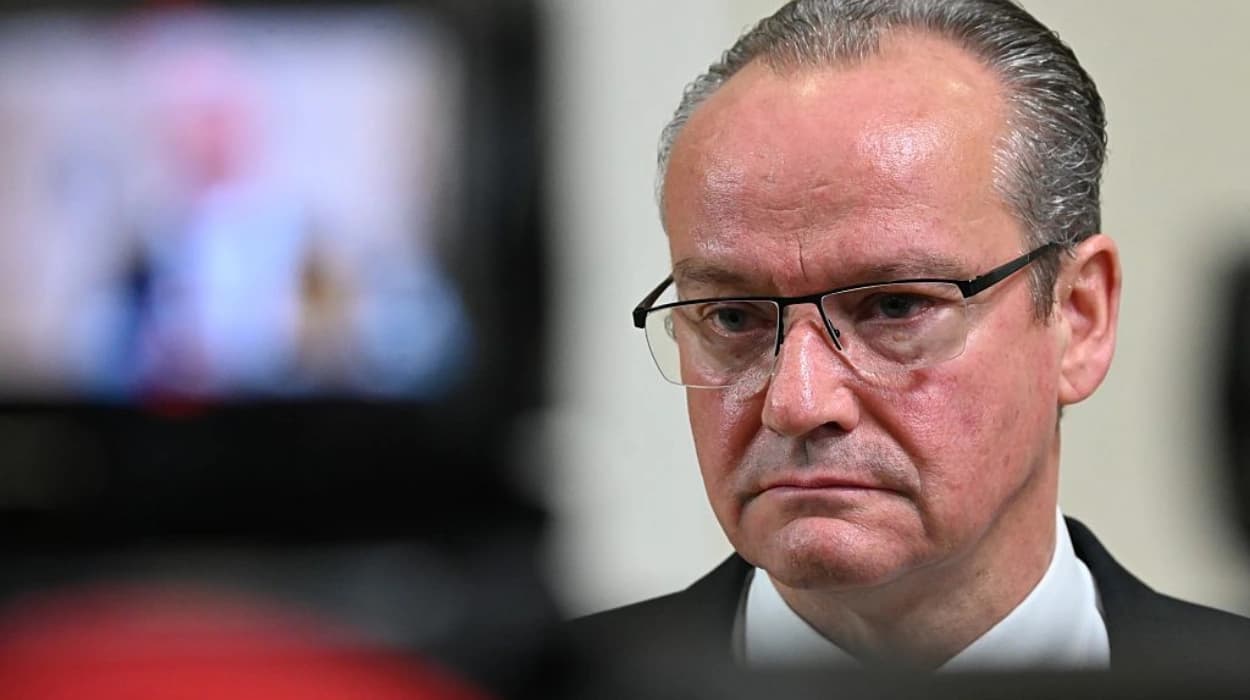
Europe Minister Gunther Krichbaum told journalists in Brussels ahead of a meeting of foreign ministers.
However, Krichbaum said that any other option would be expensive for EU nations.
"If national member states actually implement budget cuts, interest rates would then rise, creating a vicious circle,"
he cautioned.
The primary proponent of the loan has been German Chancellor Friedrich Merz, who opposed shared borrowing during a period of tight budgets throughout the EU.
Bart De Wever of Belgium, on the other hand, has made the exact opposite argument, claiming that there are significant financial dangers associated with using the assets. Euroclear, the securities depository in Brussels that houses the majority of the assets designated for the loan, has echoed this assertion.
De Wever cautioned in a letter to Ursula von der Leyen last month that foreign investors would view the plan as equivalent to confiscation, raising the cost of borrowing for the government.
“Investors are likely to demand higher premiums to compensate for the increased risk of expropriation,”
he wrote.
“This would amplify systemic risks for Euroclear and, by extension, EU financial markets, thus potentially triggering a systemic crisis, destabilising the euro itself.”
Krichbaum's comments coincide with the EU's top diplomat, Kaja Kallas, von der Leyen, and European Council President António Costa's efforts to persuade nations to accept the reparations loan at Thursday's summit of EU leaders.
However, with Italy, Bulgaria, Malta, and Czechia all calling for greater attention to the very alternatives Krichbaum warned about, the drive to reach a consensus on the plan this week is being eroded.
However, before Monday's meeting, Polish Secretary of State Martin Bosacki stated that he was unconcerned about the waning support for the reparations loan.
“We believe the reparations loan should be used, and Poland supports it,”
Bosacki said.
“What is absolutely essential, however, is securing financing for Ukraine’s war effort for at least the next six months, and possibly a year.”
How would EU borrowing costs change under the reparations loan plan?
Germany warns that rejecting the Ukraine restitutions loan backed by frozen Russian means could elevate EU member countries' borrowing costs through heightened threat decorations and credit standing pressures. Opponents like Belgium efforts legal arrears from Russian suits against custodians similar as Euroclear.
Under the plan, EU borrowing for the €90 billion loan relies on asset gains (€3- 5 billion annually), avoiding direct budget successes. Rejection might add 20- 50 base points to yields on EU bonds, per critic models, as requests perceive reduced solidarity and legal query mirroring NGEU debt harpoons post-2021 rate shifts.
Germany offers €50 billion in guarantees to neutralize pitfalls, framing blessing as concinnity signaling that lowers overall eurozone spreads. Successful rollout could limit costs at 0.1- 0.15% of GDP annually through 2058, far below druthers like direct subventions.