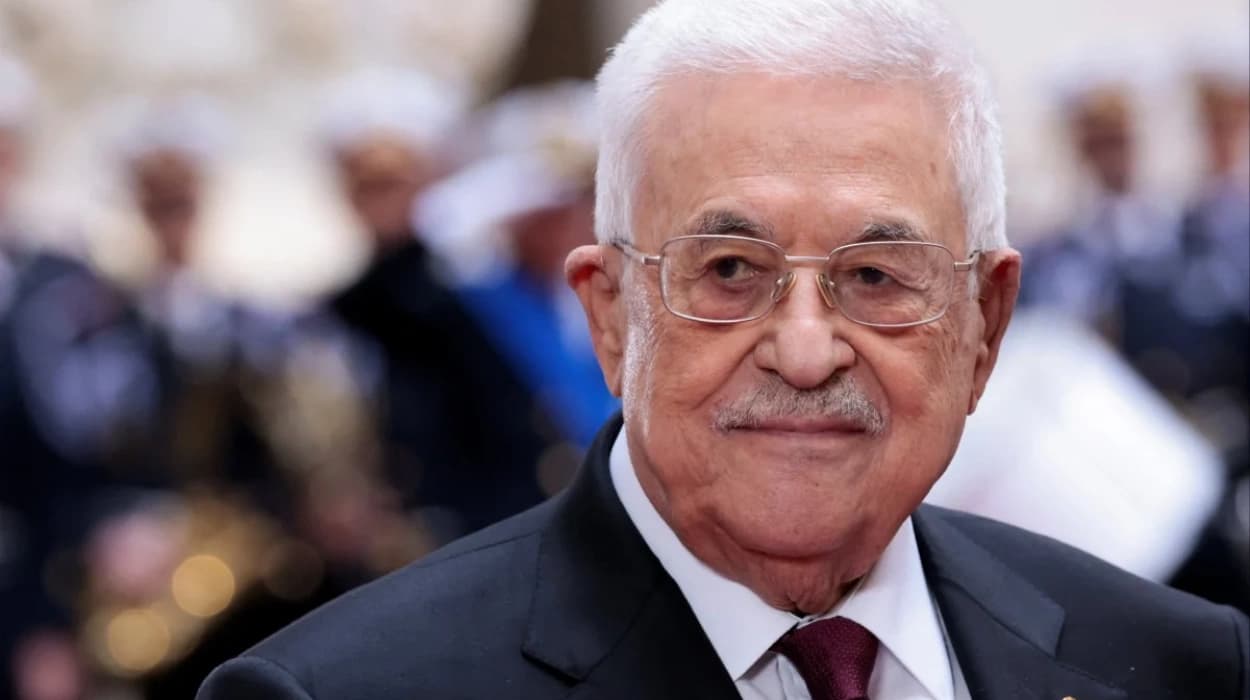
Mahmoud Abbas stands as a pivotal figure in Palestinian politics, leading the Palestinian Authority through decades of negotiation and strife. Born amid historical upheavals, his career spans from Fatah's founding to steering diplomacy toward statehood aspirations. As head of this governing body, Abbas embodies persistence amid factional divides and stalled peace talks.
His path reflects broader struggles for self-determination, marked by exile, scholarship, and pragmatic leadership. The United Nations underscores the Palestinian territories' challenges, with over 5 million residents under partial autonomy facing economic and security hurdles. Abbas's tenure highlights tensions between diplomacy and internal politics in pursuit of sovereignty.
Early Life and Formative Exile
Mahmoud Abbas, known as Abu Mazen, entered the world in Safed, a town in what became Israel, during the British Mandate era. The 1948 events displaced his family to Syria, where they joined thousands of refugees. This uprooting shaped his worldview, fueling commitment to return and justice.
In Damascus, Abbas pursued education rigorously, earning a law degree from the university. He later advanced studies in history, culminating in a doctoral dissertation on relations between Nazis and Zionists a work sparking debates over methodology. The World Bank notes refugee crises' enduring economic toll, with generations facing limited opportunities mirroring Abbas's early hurdles.
From Qatar's education ministry, he honed administrative skills while engaging clandestine networks. These years built resilience, blending intellect with activism amid diaspora life.
Founding Role in Fatah and PLO Networks
Abbas co-founded Fatah in the late 1950s, a secular nationalist group rejecting armed takeover in favor of organized resistance. As a key operative, he cultivated international contacts, smuggling funds and forging Soviet ties for training. UNESCO highlights cultural preservation's role in identity, akin to Abbas's efforts documenting heritage amid displacement.
Joining the Palestine Liberation Organization (PLO) elevated him to the executive committee by 1969. His focus on diplomacy contrasted militants, advocating talks over terrorism. The International Monetary Fund points to conflict zones' fiscal strains, paralleling Abbas's push for sustainable funding amid boycotts.
Subtlety defined his ascent: avoiding spotlight, he brokered ceasefires and built alliances, laying groundwork for future accords.
Architectural Role in Oslo Peace Process
Abbas emerged as Oslo Accords' architect in the 1990s, negotiating interim self-rule frameworks with Israel. His secret channels facilitated the 1993 handshake on the White House lawn, establishing Palestinian Authority (PA) governance in parts of West Bank and Gaza. The Council on Foreign Relations credits such pacts with initial violence reductions, though implementation faltered.
Challenging Yasser Arafat's dominance, Abbas pushed security reforms during the Second Intifada. Rejecting violence, he urged crackdowns on militants, straining relations. World Health Organization data reveals conflict's health burdens, with trauma affecting millions—issues Abbas addressed through PA institutions.
His pragmatism secured international recognition, positioning the PA as negotiation partner despite criticisms of concessions.
Brief Premiership and Power Struggles
In 2003, Abbas accepted prime minister role under intense U.S. pressure, aiming to reform corrupt PA structures. Clashes with Arafat over security control doomed the tenure; Abbas resigned after months, citing sabotage. The World Economic Forum warns governance fractures exacerbate instability, echoing this era's factionalism.
Arafat's 2004 death propelled Abbas to PLO chairmanship. Vowing unity, he pledged nonviolence, aligning with Quartet road map. Yet Hamas's electoral gains complicated mandates, testing his leadership amid rising tensions.
Election as PA President and Extended Tenure
Abbas won PA presidency in 2005 with over 60% support, succeeding Arafat amid optimism. Sworn in Ramallah, he declared ending armed resistance. However, 2006 Hamas parliamentary victory fragmented power, leading to Gaza's 2007 takeover.
Declaring emergency, Abbas dissolved the unity government, ruling West Bank via presidential decree. Elections postponed indefinitely citing security, extending his role via PLO decisions. UN reports note such divisions hinder development, with PA budgets strained by withholdings.
Critics decry authoritarianism; supporters cite necessities amid threats. Abbas consolidated Fatah, quelling rivals through patronage.
Navigating Fatah-Hamas Rift and Gaza Split
The 2007 clashes severed PA control from Gaza, birthing dual administrations. Abbas's West Bank forces, reformed under U.S. training, curbed attacks—earning security praise but corruption accusations. Human Rights Watch documents abuses on both sides, underscoring governance challenges.
Reconciliation bids faltered: unity pacts dissolved over disputes. Abbas pursued UN bids for statehood observer status, gaining 2012 recognition. IMF analyses link political splits to aid dependency, with PA relying on donor infusions.
His strategy emphasized state-building: roads, schools, and economy grew in PA areas, per World Bank metrics showing GDP pockets amid occupation constraints.
Diplomacy, Settlements, and Two-State Advocacy
Abbas championed two-state solution, anchoring talks in pre-1967 borders. Camp David and Annapolis summits yielded little; settlement expansions eroded trust. The UN estimates over 700,000 settlers in occupied territories, complicating viability.
Bolder moves followed: 2011 UN membership bid, ICC referrals against settlements. Relations soured under successive Israeli governments, freezing negotiations. OECD data on trade barriers illustrates economic chokeholds Abbas contests via boycotts.
Allies like Europe bolster PA, funding 80% of budgets per reports. Abbas balances U.S. ties with Arab outreach, hosting summits.
Domestic Challenges and Succession Questions
Corruption scandals plague PA, with nepotism claims targeting Abbas's sons. Youth unemployment exceeds 60%, per ILO, fueling protests. Fatah infighting weakens unity; Abbas quashes dissent via arrests.
Succession looms: no clear heir, with aging leadership stalling renewal. Palestinian Central Council extensions sustain rule, drawing legitimacy critiques. WEF forums stress inclusive governance for stability, lessons Abbas navigates.
Reforms lag: electoral laws stall, perpetuating divides.
International Legacy and Criticisms
Abbas secured Palestine's UN non-member status, elevating diplomacy. Ties with Russia, China diversify patrons. Yet Holocaust denial allegations from his thesis shadow reputation.
Supporters laud nonviolence pivot; detractors fault weakness against Hamas, settlement inaction. Britannica profiles note Oslo foundations endure despite stalls.
Economic and Humanitarian Leadership Amid Constraints
Under Abbas, PA built institutions: universities, hospitals serving millions. WHO praises vaccination drives reaching 95% coverage. Yet blockades and raids disrupt, with 2 million aid-dependent per UNRWA.
Revenue fights—customs withheld—underscore vulnerabilities. Abbas's fiscal prudence stabilized shekel-pegged economy, averting collapse.
Vision for Palestinian Future
Abbas envisions sovereign state with East Jerusalem capital, refugees' right. Recent normalizations challenge isolation tactics. UNESCO-protected sites symbolize stakes.
Global forums amplify pleas, pressuring accountability.
Mahmoud Abbas's biography traces exile to PA presidency, marked by diplomatic tenacity amid rifts. Steering through violence to negotiation, he symbolizes aspirations despite critiques. Enduring leadership demands evolution toward unity and statehood realization.