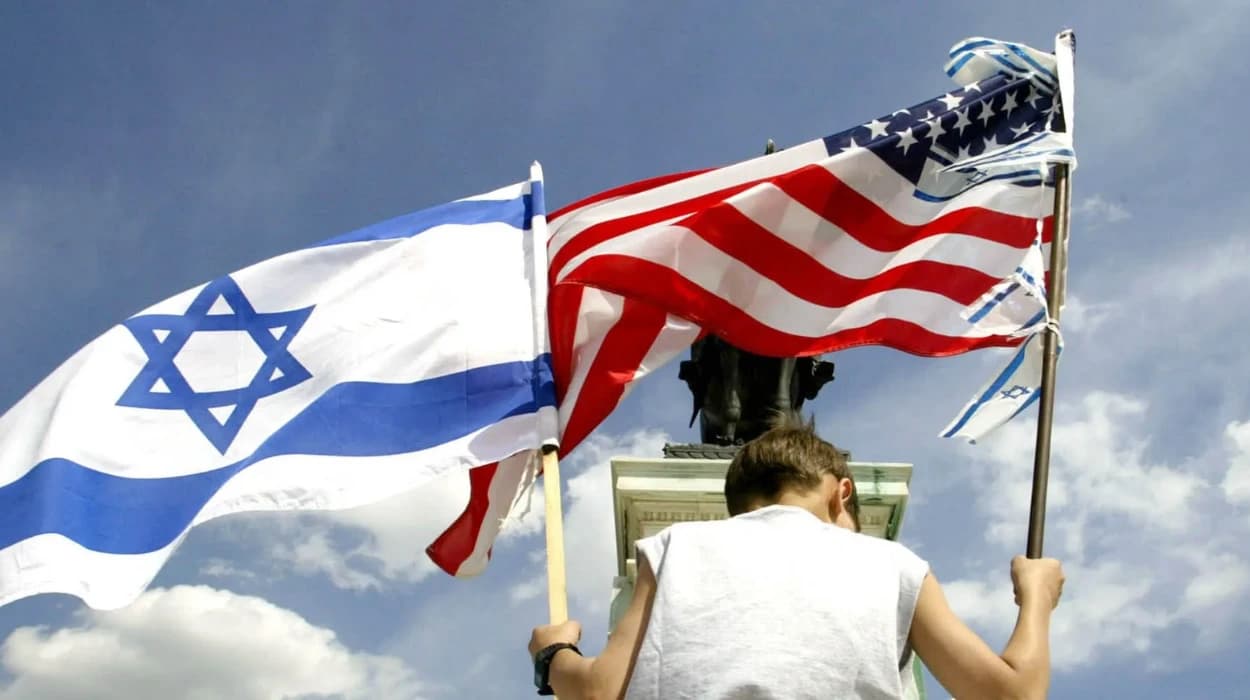
The relationship between the United States and Israel is one of the most enduring and multifaceted alliances in modern international relations. Rooted in a combination of historical affinity, strategic interests, economic ties, and political alliances, the US's support for Israel has remained steadfast since the establishment of the Jewish state in 1948.
Historical Foundations of the US-Israel Relationship
The genesis of US support for Israel can be traced back to the aftermath of World War II, when the horrors of the Holocaust galvanized global sympathy for the establishment of a Jewish homeland. In a landmark moment, the United States became the first country to officially recognize Israel upon its declaration of independence, signaling a moral and political commitment to the new nation’s survival. President Harry Truman’s decision was influenced by humanitarian concerns and personal connections but also reflected growing domestic support among American Jewish communities and other sympathetic groups.
This early period saw the United States balancing multiple interests in the Middle East, including maintaining relations with Arab states and securing access to vital oil supplies. Despite occasional tensions, the shared democratic values and the sense of historical justice contributed to a foundation that has only strengthened over decades.
Strategic Considerations in a Volatile Region
One of the critical drivers of America's longstanding support for Israel is its strategic significance in the Middle East. The region's geopolitical complexity and its status as a critical hub for global energy resources have made it a focal point of US foreign policy. Israel is perceived as a reliable and robust ally, offering a strategic foothold amid a region often marred by instability and competing influences.
The Cold War era further cemented this alliance as Israel served as a bulwark against Soviet influence in the Middle East. The United States valued Israel's military capabilities and intelligence-sharing, which enhanced its own regional security posture. This strategic partnership includes substantial military aid, with Israel receiving the largest cumulative amount of US foreign assistance of any country. This aid supports Israel’s advanced defense systems and maintains its qualitative military edge, which the US sees as vital to regional stability.
Political and Cultural Dimensions
Domestic political factors in the United States play a significant role in shaping the country's steadfast support. The influence of pro-Israel advocacy groups, the active engagement of American Jewish communities, and the shared political values between the two nations all contribute to a powerful alliance. Bipartisan support for Israel remains strong in Congress, reflected in consistent legislative backing and robust funding.
Additionally, there is a cultural and ideological affinity grounded in common democratic principles, religious connections, and shared values such as the rule of law and human rights. This relationship is often symbolized as a "special bond," embraced by presidents from John F. Kennedy to recent administrations.
Economic and Technological Cooperation
Beyond political and strategic factors, the US-Israel partnership is also underscored by deep economic and technological ties. Israel’s dynamic high-tech sector, often dubbed the "Start-Up Nation," complements American innovation ecosystems. Bilateral trade agreements, including the first free trade agreement the US signed with any country, date back to the 1980s, facilitating the exchange of goods, services, and research collaborations.
American investment in Israeli technology, particularly in defense, cybersecurity, agriculture, and healthcare, has grown substantially. This partnership not only drives economic growth but also enhances both countries’ technological capabilities and global competitiveness.
Humanitarian and Moral Perspectives
Humanitarian concerns have also historically influenced US policy toward Israel. The aftermath of World War II and the plight of Holocaust survivors created a moral imperative for support of a Jewish homeland. Over time, this humanitarian dimension has evolved to include broader advocacy for human rights and stability in the Middle East.
The US often frames its support as defending Israel’s right to exist and its people's security amid ongoing regional conflicts. This includes endorsing Israel’s right to self-defense and backing peace initiatives aimed at resolving long-standing disputes. The moral narrative remains a cornerstone in the political discourse surrounding the US-Israel relationship.
Challenges and Critiques of US Support
Despite the strength of this alliance, American support for Israel is not without controversy. Critics point to issues such as the Israeli-Palestinian conflict, settlement expansions, and human rights concerns. These debates reflect broader tensions within US domestic politics and international diplomacy.
Different administrations have varied in their approaches, with some emphasizing diplomacy and negotiations, while others prioritize security assurances. Nonetheless, the core commitment to Israel’s security and bilateral cooperation has remained a constant feature of US foreign policy.
The Role of US Support in Regional Peace Efforts
The United States has often positioned itself as a mediator in the Middle East peace process. This role involves facilitating dialogues, supporting treaties, and attempting to balance interests between Israel and its Arab neighbors. Notable milestones include the Camp David Accords and more recent normalization agreements between Israel and several Arab states.
Effective US support is seen as crucial to any sustainable peace in the region, leveraging America’s influence and Israel’s position to foster agreement and stability.
A Complex and Enduring Partnership
The US support for Israel is a product of layered historical, strategic, political, economic, and humanitarian factors. This partnership reflects a confluence of shared values, mutual interests, and practical geopolitics that has withstood changing regional dynamics and global shifts. As new challenges and opportunities arise, the alliance continues to evolve but remains a defining feature of US foreign policy in the Middle East.